Top 7 Local Listing Services for Small Business SEO (2026)
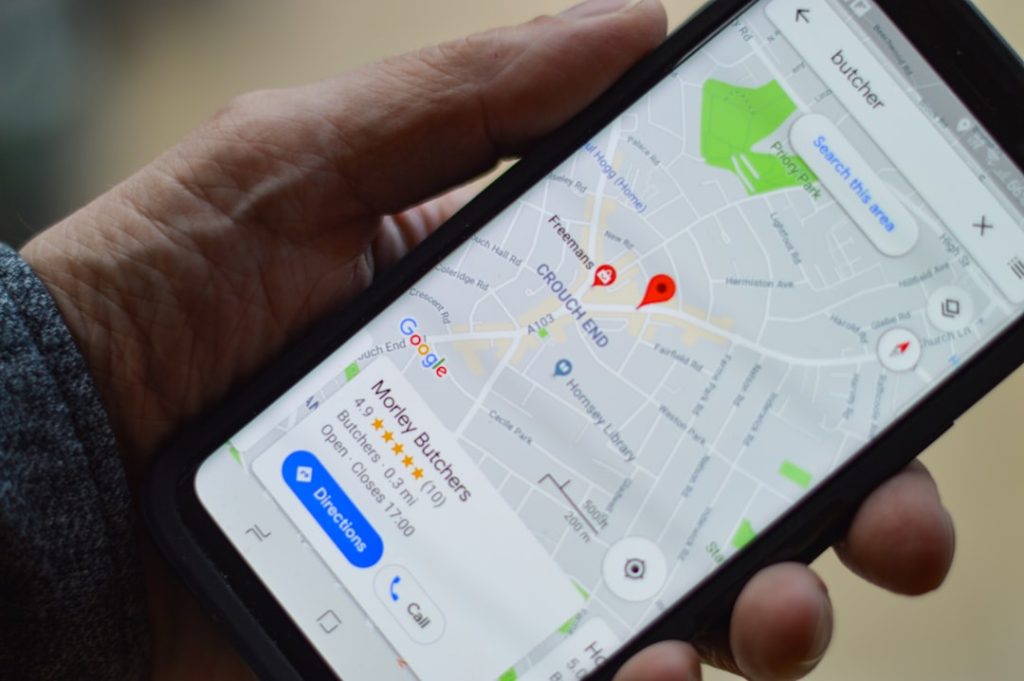
For small businesses, local visibility in 2026 depends on more than having a website. Search engines, maps, voice assistants, review platforms, and neighborhood apps all pull business information from local listing services. When a company’s name, address, phone number, hours, categories, and reviews are consistent across these platforms, it becomes easier for nearby customers to find and trust the business.
TLDR: The best local listing services for small business SEO in 2026 are those that improve visibility across search, maps, reviews, and local discovery platforms. Google Business Profile remains the most important, but Apple, Bing, Yelp, Facebook, Nextdoor, and Yext also play major roles. Small businesses should focus on accurate information, strong reviews, fresh photos, and regular updates across all major listings.
Why Local Listings Still Matter in 2026
Local listings help search engines verify that a business is legitimate, active, and relevant to a specific geographic area. They also influence how a business appears in map packs, mobile searches, voice search results, and “near me” queries. In 2026, small business SEO is increasingly shaped by trust signals, and local listings provide many of them.
A strong listing strategy gives a small business several advantages:
- Better local rankings in map and search results
- More customer actions, such as calls, bookings, direction requests, and website visits
- Improved credibility through reviews, photos, and accurate business details
- Greater consistency across the local search ecosystem
Top 7 Local Listing Services for Small Business SEO
1. Google Business Profile
Google Business Profile remains the most valuable local listing service for small business SEO. It directly affects visibility in Google Search and Google Maps, which are still the primary discovery channels for local customers. A well-optimized profile can appear for branded searches, category searches, and location-based queries.
Small businesses benefit most when they complete every key section, including services, products, business hours, attributes, photos, and appointment links. Regular posts, review responses, and question-and-answer updates also help keep the profile active. In competitive markets, the difference between a basic profile and a fully maintained one can be significant.
2. Apple Business Connect
Apple Business Connect has become increasingly important as more consumers use Apple Maps, Siri, CarPlay, and Spotlight search to find local businesses. For small businesses targeting mobile users, this listing service should not be ignored.
Apple allows businesses to manage place cards with photos, logos, hours, website links, and action buttons. These details can influence whether a customer requests directions, calls, or visits a website. In 2026, Apple’s ecosystem plays a larger role in local discovery, especially for restaurants, retail stores, healthcare providers, home services, and professional offices.
3. Bing Places for Business
Bing Places for Business supports visibility across Bing Search, Bing Maps, Microsoft Edge, Windows search experiences, and some voice-driven results. While Bing’s local search volume is smaller than Google’s, it still reaches valuable audiences, including desktop users and customers within Microsoft’s ecosystem.
For small businesses, Bing Places is also relatively easy to manage. A company can add core business details, photos, categories, and service information. Businesses that already have a Google Business Profile may be able to import information, making setup faster. Because many competitors neglect Bing, a complete listing can provide an easy local SEO advantage.

4. Yelp
Yelp remains one of the strongest review-driven local listing platforms, especially for restaurants, beauty services, home services, nightlife, fitness, and local retail. Even when customers do not begin their search on Yelp, Yelp pages often rank well in organic search results.
A small business should claim its Yelp listing, choose accurate categories, add high-quality photos, and monitor reviews carefully. Yelp’s review ecosystem can be strict, so businesses should avoid aggressive review solicitation and instead focus on great service and natural customer feedback. A profile with detailed information and authentic reviews can support both SEO and conversion.
5. Facebook Pages
Facebook Pages continue to function as important local business listings, even as social media habits evolve. Many customers still check Facebook for hours, contact details, menus, events, reviews, and recent updates. Local Facebook content can also appear in search engine results.
For small businesses with community-based audiences, Facebook offers more than a static citation. It supports posts, messages, events, recommendations, photos, and local engagement. A business that regularly updates its page appears more active and approachable. This can be especially useful for cafes, salons, gyms, local nonprofits, service providers, and family-owned shops.
6. Nextdoor Business Pages
Nextdoor is valuable because it focuses on neighborhood-level discovery and recommendations. In 2026, many homeowners and local residents use it to find nearby plumbers, electricians, landscapers, cleaners, pet services, tutors, restaurants, and community businesses.
Nextdoor Business Pages allow companies to present contact information, service details, photos, and local reputation signals. Since recommendations often come from nearby residents, trust can be high. For small businesses that depend on a tight service area, Nextdoor can deliver local leads that are highly relevant and ready to act.
7. Yext
Yext is not a single directory; it is a listing management platform that helps businesses distribute and synchronize information across many directories, apps, maps, and search platforms. For small businesses with limited time, this can simplify the process of managing consistency at scale.
Yext can be particularly useful for businesses with multiple locations or frequent updates to hours, services, holiday schedules, or contact information. Its main SEO benefit comes from reducing inconsistent citations and improving data accuracy across the web. However, small businesses should compare costs carefully and decide whether automated distribution is necessary for their size and market.
How Small Businesses Should Choose Listing Services
The best local listing mix depends on the business category, location, target audience, and budget. A restaurant may prioritize Google, Apple, Yelp, and Facebook, while a home service company may focus on Google, Bing, Nextdoor, and a listing management tool. A professional office may benefit from accuracy across maps and major search platforms before expanding into niche directories.
Small businesses should evaluate each service using these criteria:
- Search visibility: Does the platform appear in local results?
- Customer behavior: Do target customers actually use it?
- Review value: Can reviews influence trust and conversions?
- Data control: Can the business easily update details?
- Cost: Is the platform free, paid, or worth the management fee?
Local Listing Optimization Tips for 2026
After claiming listings, small businesses should focus on quality and consistency. Search engines compare business information across the web, so inconsistent names, addresses, and phone numbers can weaken trust. The business should use the same core details everywhere, including suite numbers, local phone numbers, and official website URLs.
Photos also matter. Fresh images of the storefront, staff, products, service vehicles, menus, or completed work can increase engagement. Reviews are equally important, but the strongest approach is long-term reputation management rather than short bursts of requests. Every review response should sound professional, specific, and helpful.
In 2026, businesses should also pay close attention to attributes, service areas, accessibility details, booking links, messaging features, and AI-generated search summaries. The more complete and accurate the listing data is, the easier it becomes for search platforms to recommend the business confidently.
FAQ
What is the most important local listing service for small business SEO?
Google Business Profile is generally the most important because it directly affects Google Search and Google Maps visibility. Most small businesses should optimize it first.
Are local listings still useful in 2026?
Yes. Local listings remain useful because search engines, map apps, voice assistants, and review platforms rely on accurate business data to recommend nearby companies.
How many local listing services should a small business use?
A small business should usually start with the major platforms: Google, Apple, Bing, Yelp, Facebook, and relevant neighborhood or industry-specific directories. More listings can help if they are accurate and actively maintained.
Does inconsistent business information hurt local SEO?
Yes. Inconsistent names, addresses, phone numbers, hours, or categories can reduce trust and make it harder for search engines to verify the business.
Should a small business pay for listing management software?
It depends. A single-location business may manage listings manually, while a multi-location business or one with frequent updates may benefit from a platform such as Yext.
How often should listings be updated?
Listings should be reviewed at least monthly and updated immediately when hours, services, addresses, phone numbers, photos, or holiday schedules change.