Tangem Wallet vs Ledger and Trezor: 6 Hardware Wallets for Cryptocurrency Storage and Everyday Security
Tangem is the simplest pick for everyday crypto storage, while Ledger and Trezor suit users who want screens, buttons, and deeper coin management. Hardware wallets matter because exchange hacks and wallet theft still happen: Chainalysis reported about $1.7 billion in stolen crypto funds in 2023 [source: Chainalysis]. The best choice depends on how often funds move, how many coins are held, and how much setup friction a person can tolerate.
TLDR: Tangem works best for someone who wants a card-style wallet that can be tapped with a phone in seconds. Ledger Nano X is better for a user managing many assets and Bluetooth access, while Trezor Safe 5 fits people who prefer open-source software and a color touchscreen. For example, a user holding 70% Bitcoin, 20% Ethereum, and 10% stablecoins may be fine with Tangem for simple cold storage, but an active DeFi user may prefer Ledger because app support is broader.
1. Tangem Wallet
Tangem Wallet feels more like a bank card than a classic hardware wallet. It uses NFC, so the user taps the card on a phone to approve actions. There is no cable, no battery, and no tiny screen.
That simplicity is the main win. Setup is fast. Daily use is smooth. Honestly, it feels like a relief compared with wallets that ask the user to squint at small buttons for every action.
Best for: beginners, mobile-first users, long-term holders, and people who hate complicated setup steps.
Tradeoff: Tangem relies on the phone screen for transaction details. Some security purists prefer a device screen that shows the address directly on the hardware wallet.
2. Ledger Nano X
Ledger Nano X is the premium Ledger choice for most people. It supports Bluetooth, mobile use, and a wide range of coins and apps. It has a secure element chip and works with Ledger Live.
The Nano X is strong for users who hold many assets. It also pairs well with DeFi tools and third-party wallets. The catch is the workflow. App installs, firmware updates, and confirmations can feel slow when someone just wants to send a small transaction and move on.
Best for: multi-coin investors, NFT users, and people who need mobile access with broader ecosystem support.
3. Ledger Nano S Plus
Ledger Nano S Plus is the budget-friendly Ledger option. It has no Bluetooth, so it works through USB. That can be a good thing for users who want fewer wireless features.
It supports many of the same assets as the Nano X and has enough memory for several apps. It is better than the older Nano S for most modern users.
Best for: cost-conscious buyers, desktop users, and anyone who wants Ledger support without paying for Bluetooth.
4. Trezor Safe 5
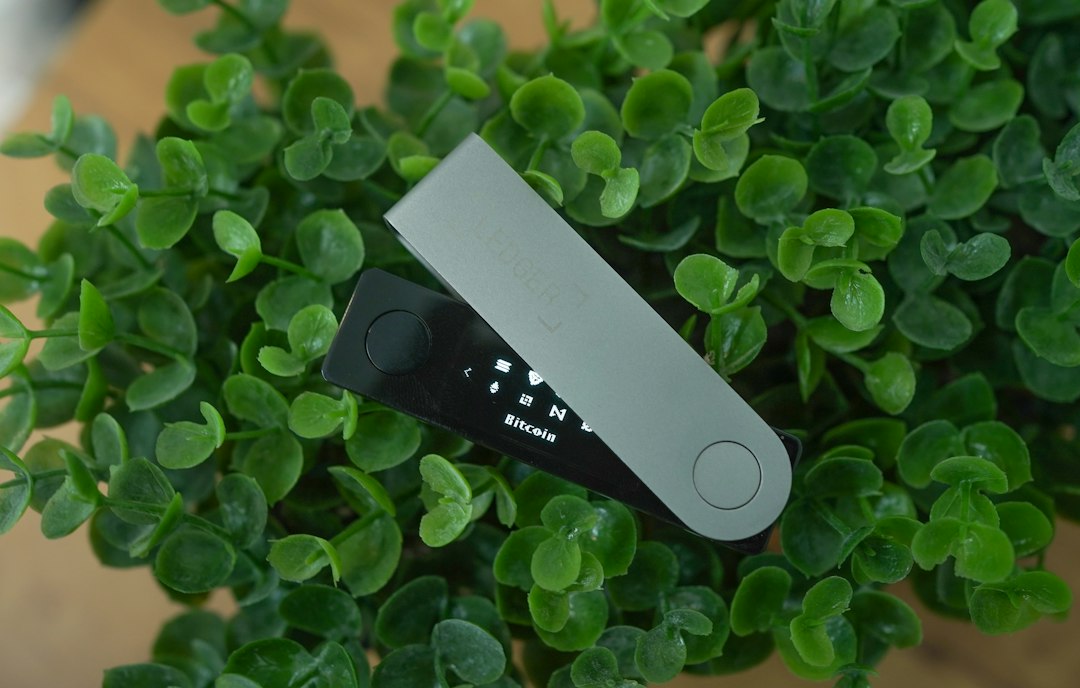
Trezor Safe 5 is one of Trezor’s more polished devices. It has a color touchscreen, improved usability, and an open-source approach that appeals to serious crypto holders.
Trezor’s software is clean and easy to understand. The touchscreen also makes address checks less painful. It drives some users crazy that certain advanced features still push them toward extra tools, but the core wallet experience is solid.
Best for: users who value open-source design, touchscreen approval, and clear Bitcoin or Ethereum storage.
5. Trezor Safe 3
Trezor Safe 3 is a more affordable Trezor with strong security basics. It includes a secure element and supports major crypto assets. It is less fancy than the Safe 5, but it covers the needs of many holders.
The Safe 3 is a good middle ground. It has better modern security than older entry devices and still keeps the price lower than flagship models.
Best for: Bitcoin holders, simple portfolios, and buyers who want Trezor security at a lower price.
6. Trezor Model One
Trezor Model One is old, but still relevant for simple cold storage. It is cheap, proven, and easy to use. Still, it lacks support for some assets unless extra steps are used.
For a basic Bitcoin holder, it can still make sense. For someone holding newer chains, tokens, or a broad portfolio, the Safe 3 or Safe 5 is usually the better buy.
Best for: basic Bitcoin storage, low budgets, and simple long-term holding.
Tangem vs Ledger vs Trezor: quick comparison
- Ease of use: Tangem wins. Tap the card, confirm in the app, done.
- Deep asset support: Ledger is usually strongest, especially for users with varied portfolios.
- Open-source preference: Trezor appeals most to users who want more transparent code.
- Screen security: Ledger and Trezor show transaction details on the device. Tangem uses the phone display.
- Everyday use: Tangem and Ledger Nano X are the most convenient for mobile users.
- Lowest friction: Tangem has the least setup stress.
Which wallet should be picked?
If a person wants the fastest path to self-custody, Tangem Wallet is the cleanest choice. It strips away cables, seed phrase stress in some setups, and small-screen hassle.
If a person manages many coins, uses DeFi, or wants broad third-party support, Ledger Nano X or Ledger Nano S Plus makes more sense. If open-source values matter most, Trezor Safe 5 or Trezor Safe 3 is the safer fit.
No wallet removes all risk. A hardware wallet protects private keys, but the user still must check addresses, avoid fake apps, and store backups safely. Most losses come from rushed clicks, bad recovery storage, or phishing. Annoying, yes. Still preventable.
FAQ
Is Tangem safer than Ledger?
Tangem is safe for many users, but it works differently. Ledger has a device screen and button approvals. Tangem favors card-style simplicity and NFC. The safer choice depends on the user’s habits.
Is Trezor better than Ledger?
Trezor is often preferred by open-source fans. Ledger often has wider asset and app support. Neither is best for everyone.
Can a hardware wallet be hacked?
It is possible, but rare when bought from an official source and used correctly. Phishing and fake recovery forms are more common threats.
Which hardware wallet is best for beginners?
Tangem is usually the easiest for beginners. Trezor Safe 3 is also beginner-friendly for users who want a more classic wallet design.
Should crypto be kept on an exchange?
Small trading balances can stay on an exchange. Long-term holdings are usually safer in self-custody, if the user can protect the backup properly.