Ship Performance Monitoring Systems Explained: Features, Benefits, and Best Maritime Software
Ships are huge. Oceans are wild. Fuel is expensive. So, modern fleets need more than a captain’s instinct and a clipboard. They need smart tools that watch the ship, read the data, and help crews make better choices every day.
TLDR: Ship performance monitoring systems track how a vessel is working in real time. They measure fuel use, speed, engine load, weather, hull condition, and voyage efficiency. The goal is simple: save fuel, cut emissions, avoid surprises, and run safer voyages. Good maritime software turns messy ship data into clear advice.
What Is a Ship Performance Monitoring System?
A ship performance monitoring system is software that helps owners, operators, and crews understand how well a vessel is performing.
Think of it like a fitness tracker for a ship. But instead of counting steps, it tracks fuel burn, engine power, trim, speed, route, weather, and emissions.
The system collects data from many places onboard. Then it sends that data to dashboards ashore. Fleet teams can see what is happening, spot problems, and make smarter decisions.
In simple terms, it answers questions like:
- Is the ship using too much fuel?
- Is the engine running efficiently?
- Is the vessel sailing at the best speed?
- Is bad weather slowing the voyage?
- Does the hull need cleaning?
- Can we reduce carbon emissions?
That is a lot better than guessing.
How Does It Work?
The system starts with data. Lots of data.
Ships already have sensors, meters, and control systems. These measure fuel flow, engine speed, shaft power, GPS position, wind, waves, and more. Performance software connects to those sources.
Some systems collect data automatically. Some also allow manual noon reports. The best systems combine both and check the quality of the data.
Once the information is collected, the software cleans it. Then it compares actual performance with expected performance. This is where the magic happens.
If fuel use is higher than normal, the system can flag it. If trim is poor, it can suggest a better setting. If a route is inefficient, it can recommend changes.
No crystal ball needed. Just smart data.
Key Features to Look For
Not all systems are the same. Some are simple reporting tools. Others are advanced decision platforms. Here are the most useful features.
1. Real Time Vessel Tracking
This shows where each ship is and how it is moving. It helps teams monitor speed, heading, ETA, and route progress.
It is like watching your fleet on a live map. Very handy. Very calming.
2. Fuel Consumption Monitoring
Fuel is one of the biggest costs in shipping. Even small savings matter.
Good software tracks fuel use by engine, voyage, speed, and condition. It helps crews see when fuel burn is too high. It can also compare sister ships.
3. Voyage Optimization
This feature helps find the best route and speed. It considers weather, sea state, currents, schedule, fuel cost, and emissions.
The shortest route is not always the cheapest route. Sometimes sailing a little slower saves a lot of fuel. Sometimes avoiding a storm saves even more.
4. Weather Routing
The ocean has moods. Software helps ships avoid the worst ones.
Weather routing uses forecasts for wind, waves, currents, and storms. It supports safer and more efficient voyages.
5. Hull and Propeller Performance
A dirty hull creates drag. Drag burns fuel. Fuel burns money.
Monitoring tools can detect when hull or propeller performance is getting worse. This helps operators plan cleaning at the right time.
6. Emissions Reporting
Shipping must meet stricter environmental rules. These include CII, EEXI, EU MRV, and IMO DCS.
Performance systems help calculate emissions and create reports. They also help fleets plan how to reduce their carbon intensity.
7. Alerts and Smart Dashboards
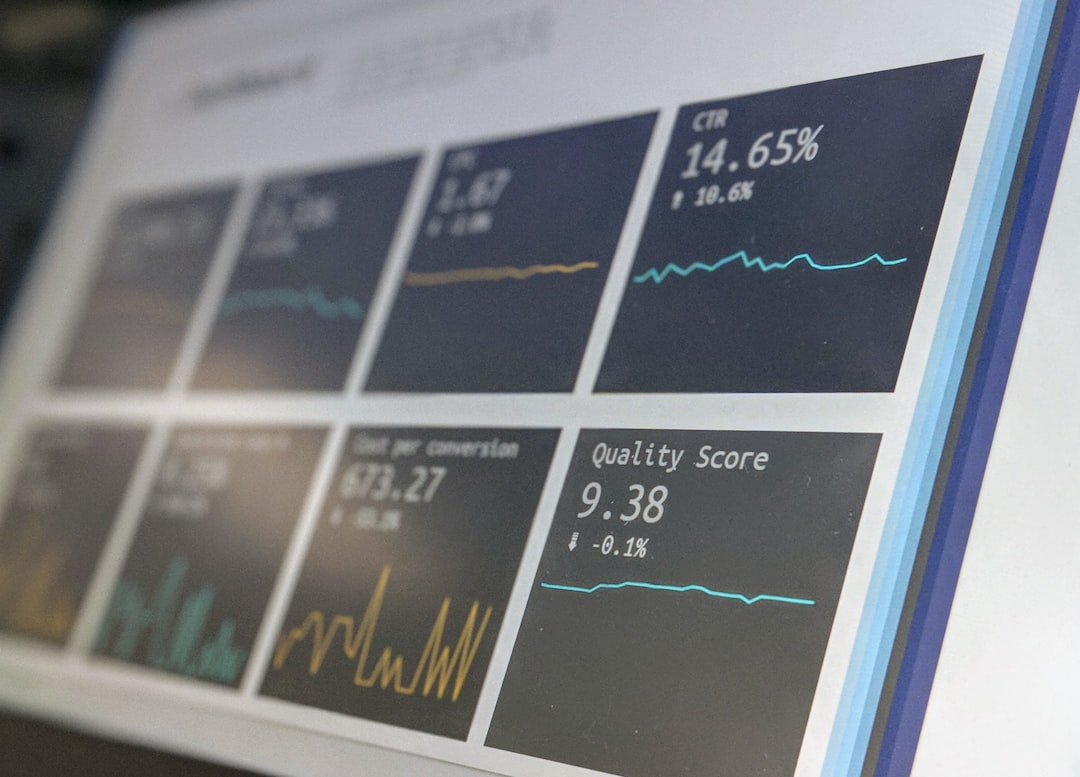
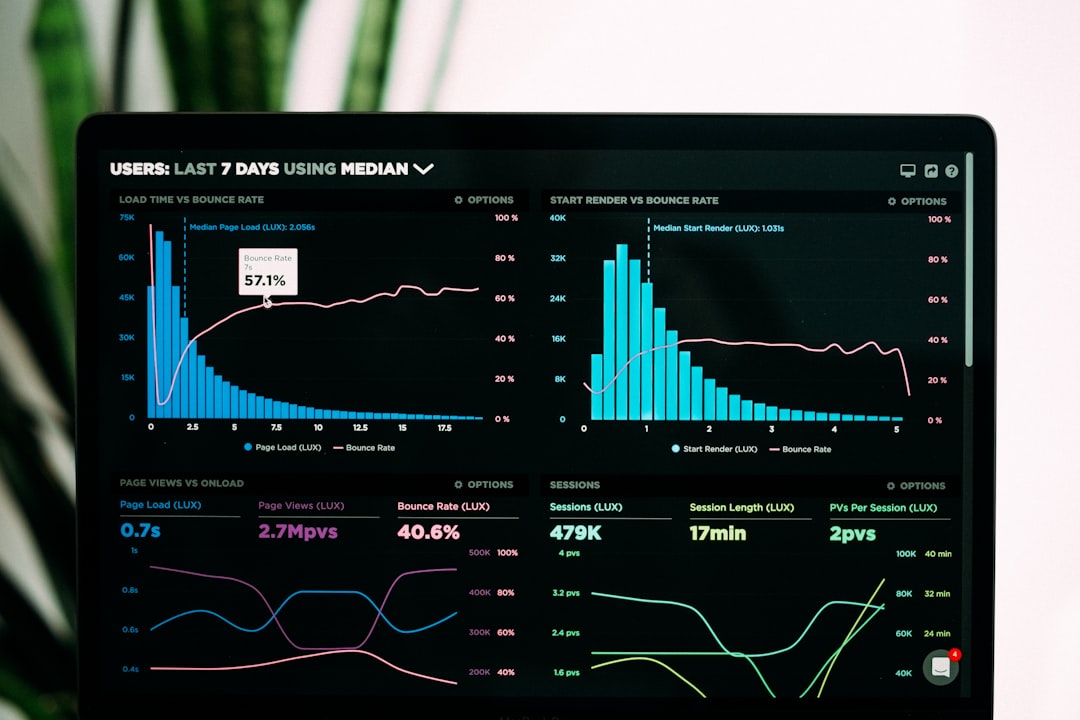
Dashboards turn messy data into simple charts. Alerts warn teams when something is wrong.
This means fewer surprises. Nobody likes surprise fuel bills.

Benefits of Ship Performance Monitoring
Now for the fun part. Why should a fleet invest in this software?
Lower Fuel Costs
This is the big one. Better speed, trim, routing, and engine use can reduce fuel consumption. Even a small percentage can save a lot across a fleet.
Fewer Emissions
Less fuel means fewer emissions. That helps with regulations. It also helps companies meet sustainability goals.
Green shipping is not just a nice phrase anymore. It is becoming a business requirement.
Better Decisions
Old school shipping relied on experience. Experience still matters. But data makes it stronger.
With performance monitoring, crews and shore teams can work from the same facts. No more “I think.” More “the data shows.”
Improved Safety
Weather routing and voyage planning help avoid dangerous conditions. Alerts can also show abnormal behavior early.
A safer ship is a happier ship.
Smarter Maintenance
Performance drops can point to technical issues. Maybe the hull is fouled. Maybe an engine needs attention. Maybe a sensor is acting silly.
Finding problems early can reduce downtime and repair costs.
Stronger Compliance
Regulators want proof. Software makes proof easier.
Automated reports reduce manual work. They also reduce errors. That is good news for crews who already have enough paperwork.
Best Maritime Software for Ship Performance Monitoring
The “best” software depends on fleet size, budget, vessel type, and goals. A tanker fleet may need different tools from a container fleet. Still, some platforms are well known in the industry.
- Nautilus Labs — Strong for voyage optimization and AI driven performance insights. It is popular with operators focused on fuel and emissions savings.
- Danelec — Known for data collection, vessel performance, and voyage data recorders. Good for fleets that want reliable ship to shore data.
- StormGeo — Strong in weather routing, voyage planning, and fleet performance. Useful for operators sailing complex global routes.
- Kongsberg Vessel Insight — A powerful platform for collecting and using vessel data. Good for companies that want digital integration across systems.
- Wärtsilä Fleet Operations Solution — Focuses on voyage planning, optimization, and fleet coordination. It can support safer and more efficient operations.
- ABB Ability Marine — Offers performance monitoring and advisory tools, especially for energy efficiency and propulsion systems.
- ZeroNorth — Strong for commercial optimization, emissions management, and fuel efficiency. It helps connect operational and commercial decisions.
When choosing software, do not only look at fancy screens. Ask practical questions.
- Is it easy for crews to use?
- Does it work with our existing onboard systems?
- Can it handle poor satellite connections?
- Does it support emissions rules we must follow?
- Are the reports clear?
- Is customer support good?
- Can it scale across our fleet?
A simple tool that people actually use is better than a giant tool nobody understands.

Common Mistakes to Avoid
Buying software is not a magic spell. You still need good processes.
Here are common mistakes:
- Ignoring data quality. Bad data creates bad advice.
- Not training crew. People need to understand the tool.
- Choosing too many features. More buttons can mean more confusion.
- Forgetting change management. Teams need time to adjust.
- Only focusing on reports. The real value is action.
Start with clear goals. Maybe you want to cut fuel use by 5 percent. Maybe you need better CII scores. Maybe you want cleaner noon reports. Pick the goal first. Then choose the system.
The Future of Ship Performance Monitoring
The future looks very digital. Systems are getting smarter. Artificial intelligence is becoming more common. Digital twins are also growing in use.
A digital twin is a virtual model of a ship. It helps compare expected performance with real performance. That makes it easier to spot losses and test improvements.
More systems will also connect performance data with chartering, bunkering, maintenance, and compliance. This means fewer data silos. It also means better fleet decisions.
In the future, ships may not just report what happened. They will suggest what to do next.
Final Thoughts
Ship performance monitoring systems make shipping smarter. They help fleets save fuel, reduce emissions, improve safety, and plan better voyages.
They do not replace good crews. They support them. The best system is like a helpful co pilot. It watches the numbers, spots trouble, and says, “Hey, maybe try this.”
In a world of high fuel prices, strict rules, and busy oceans, that kind of help is worth having.