What Is Spotifydown? A Complete Guide
Spotifydown is a name commonly associated with online tools or web services that claim to help users save Spotify tracks, playlists, albums, or podcasts for offline listening outside the official Spotify app. It has become a widely searched term because many listeners want easier access to music without relying on an internet connection, subscriptions, or platform restrictions. However, understanding what Spotifydown is also requires understanding its legal, technical, privacy, and ethical implications.
TLDR: Spotifydown typically refers to third-party Spotify downloading tools that claim to convert Spotify music into downloadable files. While these services may appear convenient, they often raise concerns related to copyright, Spotify’s terms of service, malware, data privacy, and audio quality. Safer options include using Spotify Premium’s official offline mode, purchasing music, or using legal free music platforms.
What Is Spotifydown?
Spotifydown is generally used to describe a web-based Spotify downloader or a group of similar services that attempt to let users download songs, albums, playlists, or other audio content connected to Spotify. These tools often ask users to paste a Spotify track or playlist link into a website, after which the service claims to provide a downloadable audio file, commonly in MP3 format.
The term does not always refer to one official company or product. Instead, it may refer to different websites, clones, mirrors, or tools using similar names. Some versions may function as basic link processors, while others may redirect users to ads, pop-ups, or unrelated pages. Because these tools are unofficial, their availability, features, and safety can change frequently.
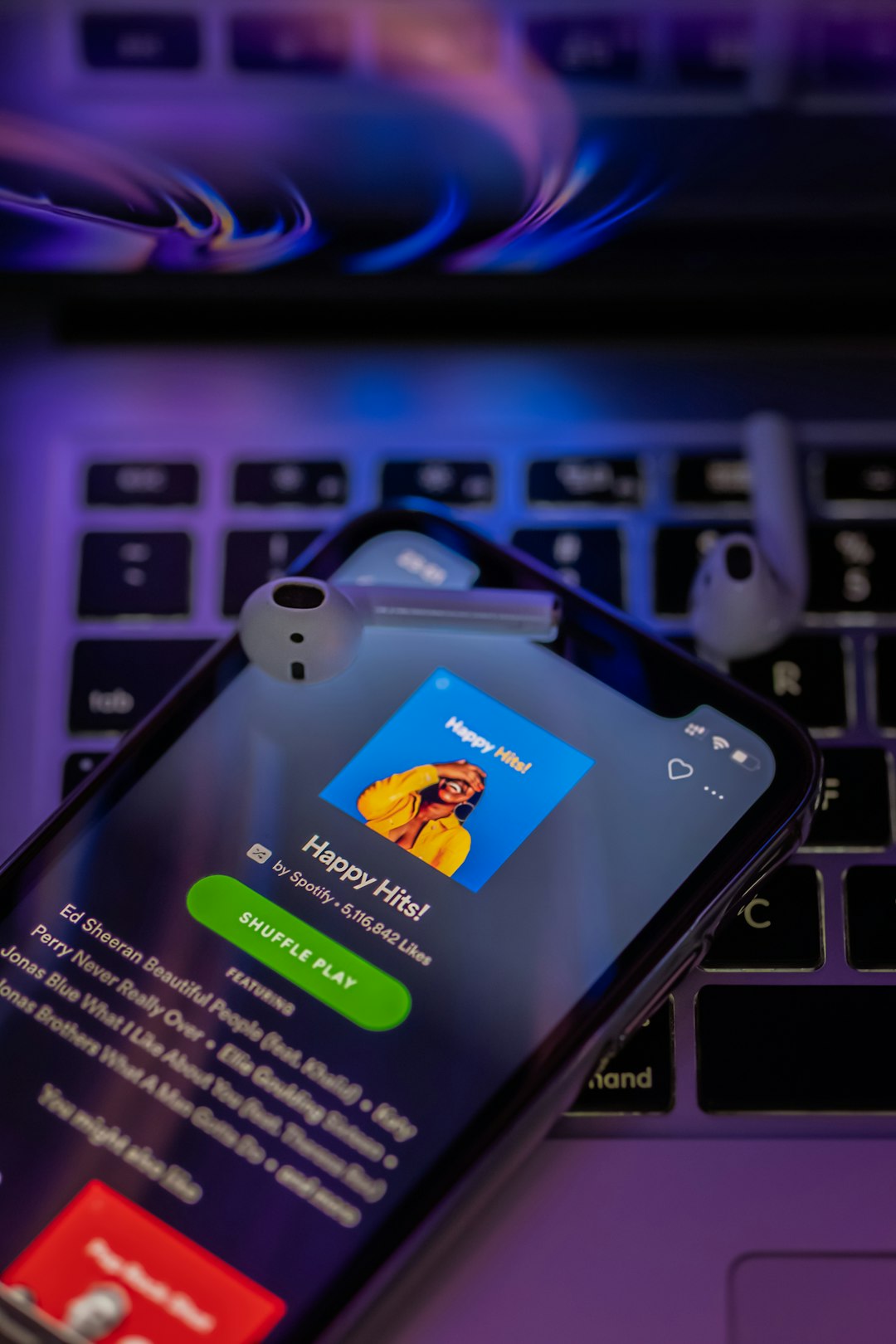
Spotify itself does not provide a public feature that allows users to export music into independent MP3 files. Spotify Premium members can download music for offline listening, but those downloads remain inside the Spotify app and are protected by platform controls. Spotifydown-style tools operate outside that official ecosystem, which is why they are surrounded by controversy.
How Spotifydown Tools Usually Claim to Work
Most Spotifydown-type websites present a simple process. They usually display a search bar or link field where a person can paste a Spotify URL. The service may then identify the song, album, or playlist metadata, including the title, artist, cover image, and duration.
In many cases, these tools do not actually download the original audio file directly from Spotify. Instead, they may match the Spotify metadata with audio from other online sources, convert that audio into a downloadable file, and label it using Spotify-related information. This distinction matters because the file may not be the official Spotify stream, may have inconsistent quality, or may even be the wrong version of the song.
Because these services are unofficial, their internal methods are rarely transparent. Some may rely on public databases, search engines, third-party media sources, or automated scraping. Others may simply use the Spotify link as a reference point to locate similar audio elsewhere.
Common Features Associated With Spotifydown
Although features vary by website, Spotifydown-style tools often advertise the following:
- Track downloading: A user can paste a single Spotify song link and receive a downloadable audio file.
- Playlist support: Some tools claim to process full playlists, though reliability may vary significantly.
- Album conversion: Certain services may attempt to download all tracks from an album link.
- MP3 output: Many tools promote MP3 files because they are widely compatible with phones, computers, and media players.
- No software installation: Some versions work directly in a browser, though this does not automatically make them safe.
- Free access: These tools are often advertised as free, usually supported by ads, redirects, or other monetization methods.
These features may sound convenient, but advertised functionality should not be treated as a guarantee. Many such websites are unstable, overloaded with ads, or inconsistent in performance.
Is Spotifydown Officially Connected to Spotify?
No. Spotifydown is not an official Spotify feature, product, or partner service. Spotify’s official offline listening feature is available through the Spotify app, primarily for Premium subscribers. That feature allows music to be downloaded within the app for offline playback, but it does not create standard audio files that can be transferred freely to other devices or platforms.
This difference is central to understanding the issue. Spotify licenses music from artists, publishers, record labels, and other rights holders under specific agreements. Those agreements shape how songs can be streamed, cached, downloaded, and played. Third-party downloaders generally operate outside those agreements, which can create legal and contractual concerns.
Legal and Copyright Considerations
The legality of using Spotifydown depends on several factors, including the user’s country, the type of content, how the file is obtained, and how it is used. However, in many situations, downloading copyrighted music from unofficial sources without permission can violate copyright law or platform rules.
Spotify’s terms of service generally prohibit copying, redistributing, extracting, or circumventing access controls related to its content. Even when a listener has a paid subscription, that subscription usually grants access to stream music under defined conditions, not ownership of the underlying audio files.
There are limited scenarios where downloading audio may be lawful, such as content released under an open license, public domain recordings, or music owned by the user. However, mainstream commercial tracks from popular artists are typically protected by copyright. For that reason, Spotifydown should be approached with caution, and legal alternatives are usually safer.
Safety and Privacy Risks
One of the biggest concerns with Spotifydown-style websites is safety. Since these tools are often unofficial and free, they may rely heavily on advertising networks, pop-ups, browser notifications, or redirect chains. Some may expose visitors to suspicious downloads or misleading buttons.
Common risks include:
- Malware exposure: Download buttons or fake prompts may lead to unwanted software, browser extensions, or harmful files.
- Phishing attempts: Some sites may imitate login pages or request account information.
- Privacy tracking: Free tools may collect device data, browser information, IP addresses, or usage patterns.
- Low-quality files: Audio may be mislabeled, compressed poorly, incomplete, or sourced from unreliable locations.
- Unwanted notifications: Sites may push users to enable browser notifications that later display spam or deceptive ads.
A legitimate-looking interface does not always mean a service is trustworthy. Users should be especially cautious when any website asks for Spotify login credentials, requests software installation, or displays aggressive pop-ups.

Audio Quality and Reliability
Spotify offers different streaming quality settings depending on account type, device, and user preferences. However, unofficial download tools may not preserve or access those exact streams. Instead, they may provide audio that has been re-encoded from another source. This can result in quality loss, volume differences, missing intros, wrong remixes, or live versions being substituted for studio tracks.
Playlist downloads can be even more unreliable. A tool may skip unavailable tracks, confuse songs with similar titles, or fail when a playlist is too long. Metadata may also be inaccurate, causing messy music libraries once the files are saved locally.
For listeners who care about consistent sound quality, proper artist credits, album artwork, and reliable playback, official services or authorized music stores generally provide a better experience.
Why People Search for Spotifydown
Spotifydown has gained attention because it appears to solve several common frustrations. Some listeners want offline access without paying for Premium. Others want MP3 files for older devices, DJ software, car stereos, or personal archives. Some users live in areas with unstable internet access and want music available at all times.
There is also a perception that streaming access is temporary. If a song is removed from Spotify because of licensing changes, regional restrictions, or artist decisions, listeners may lose access. This motivates some people to look for ways to keep permanent copies.
While these motivations are understandable, they do not remove the legal and ethical questions surrounding unauthorized downloading. Artists, producers, songwriters, and rights holders are paid through official channels, even though streaming revenue models are often debated. Using unofficial tools can bypass those channels entirely.
Safer and Legal Alternatives
Instead of using Spotifydown, listeners can consider safer options that respect artists and reduce security risks:
- Spotify Premium offline mode: Premium users can download songs, albums, and playlists inside the Spotify app for offline listening.
- Digital music stores: Platforms that sell MP3, FLAC, or other formats allow users to legally own downloadable files.
- Artist websites: Many independent musicians sell or share tracks directly through their official websites.
- Royalty-free libraries: Creators can use licensed music libraries for videos, podcasts, or commercial projects.
- Creative Commons music: Some artists release music under licenses that permit downloading and sharing under certain conditions.
- Public domain recordings: Older or specially released works may be available legally through archives and libraries.
These alternatives may not always be free, but they offer clearer rights, better reliability, and fewer privacy concerns.
When Spotifydown May Be Especially Risky
Spotifydown-style services become particularly risky when they request personal information or ask users to install software. A browser-based tool that simply displays a field may already carry risks, but downloadable apps and extensions can create deeper access to a device.
Users should be wary if a site:
- asks for Spotify usernames and passwords;
- requires disabling antivirus protection;
- promises unusually high-quality downloads for free;
- opens multiple pop-up windows;
- downloads files with unusual extensions instead of standard audio formats;
- pushes browser extensions that are not from trusted stores;
- uses confusing buttons, countdown timers, or fake virus warnings.
These signs often indicate a site prioritizing traffic, ad revenue, or data collection rather than user safety.
Spotifydown for Content Creators and Businesses
Content creators, marketers, podcasters, and businesses should be especially careful. Using music downloaded through unofficial tools in videos, advertisements, streams, or public spaces can create copyright claims, takedowns, demonetization, or legal disputes. Even if a file is easy to download, that does not mean it is licensed for commercial use.
Businesses usually need properly licensed tracks for public performance, advertising, background music, or branded content. A Spotify subscription is intended for personal listening and does not automatically grant commercial usage rights. For professional projects, licensed music libraries, direct artist agreements, or commercial music services are the safer route.
How to Think About Spotifydown Responsibly
A complete understanding of Spotifydown requires more than asking whether it works. It requires asking whether it is safe, lawful, ethical, and worth the risk. The convenience of downloading a song quickly may come with hidden costs, such as compromised privacy, poor-quality files, or potential copyright issues.
In general, the safest approach is to use official platform features or authorized download sources. If a listener wants offline playback, Spotify Premium provides that function within the app. If permanent ownership is important, purchasing music from legitimate stores or directly from artists is usually the better option.
Conclusion
Spotifydown refers to unofficial tools that claim to download or convert Spotify music into external audio files. While these services may seem useful, they are not affiliated with Spotify and may raise significant concerns around copyright, privacy, security, and quality. Their results can be inconsistent, and their websites may expose users to ads, scams, or unsafe downloads.
For most listeners, official and authorized options are more reliable. Spotify’s offline mode, paid music downloads, artist stores, and openly licensed music sources provide safer ways to enjoy audio. Spotifydown may be popular as a search term, but popularity does not guarantee legality, safety, or trustworthiness.
FAQ
What is Spotifydown?
Spotifydown is a term commonly used for unofficial tools or websites that claim to download Spotify songs, albums, playlists, or podcasts as audio files.
Is Spotifydown an official Spotify service?
No. Spotifydown is not an official Spotify product, feature, or partner. Spotify’s official offline listening works only inside the Spotify app.
Is Spotifydown legal?
It depends on the content and jurisdiction, but downloading copyrighted music without permission may violate copyright law and Spotify’s terms of service.
Can Spotifydown download real Spotify audio files?
Many such tools may not download directly from Spotify. They may match Spotify metadata with audio from other online sources, which can affect accuracy and quality.
Is Spotifydown safe to use?
It can be risky. Unofficial downloader sites may contain aggressive ads, misleading buttons, malware, phishing attempts, or privacy tracking.
What is the best legal alternative to Spotifydown?
Spotify Premium offline mode is the best option for offline listening within Spotify. For permanent files, legal music stores, artist websites, and licensed music platforms are safer choices.
Can Spotifydown be used for business or video projects?
It should not be used for commercial projects. Downloaded music from unofficial sources usually does not include the proper rights needed for videos, ads, podcasts, or public use.
Why do Spotifydown sites often stop working?
They may rely on unstable third-party systems, changing web sources, blocked access, domain issues, or enforcement actions related to copyright and platform rules.

Been spending some time on jlacecom and I’m digging it. The community feels friendly and the offers are pretty sweet. Might be your next go-to spot. Click here jlacecom.
I found 992bet8 really user-friendly. I deposited and played in minutes. Give it a look for a smooth experience: 992bet8
9bet99br has a great community feel. It makes it more fun when you can see what others are up to. Enjoy!: 9bet99br
BYU Casino Login – Time to see if I can remember my details! Hoping for some luck on the tables or reels. Wish me luck guys! byu casino login
Yo, PHL63! Finally found the official online casino login. No more sketchy links for this guy. Easy to get in and get to playing my favorite games. Check it out! phl63 online casino login
BYU Casino Login – Time to see if I can remember my details! Hoping for some luck on the tables or reels. Wish me luck guys! byu casino login
Looking for the bdg game download apk latest version? Found it on bdggame3com.com! Gettin’ that APK and giving it a go. Wish me luck guys! Here is the apk version: bdg game download apk latest version
Curious about who the bdggameowner is? Check out bdggameowner.com! All the information is available there. Find out more: bdggameowner
Bet707 on bet707.info. Hope to win big. Get in and bet! Let’s bet!: bet707
Playing here feels like stepping into a sun soaked slot room where the hosts actually remember your name. Bonuses come with fair terms and the support team answers before your coffee cools down. I recommend trying the live dealer section because the energy is just contagious. See you on the tables. mxsycuancasino
As an Aussie punter it is hard to find a site that actually understands what we need. This one nails the local payment methods and the customer service team speaks our language perfectly. Got my winnings sorted in under twenty four hours. Highly recommend checking out ausafeau if you want a stress free experience.
Playing from here feels completely seamless and secure every single time. I love that customer service is awake around the clock to sort out quick questions, and the slot jackpots trigger way more often than other sites I tried. Truly a player friendly home. phjioncasino
Downloading the app was a breeze and it runs incredibly smoothly on both my phone and tablet. The graphics are top notch and the gameplay feels very responsive. I also appreciate how transparent they are with their terms and conditions which builds so much trust. Cant wait to see what new features they roll out next. mega777apk
This platform shines like a genuine ruby among ordinary casinos. I appreciate how it wraps every user in a VIP experience from the moment I join. The game selection is diverse and the withdrawals are faster than I expected. It truly understands what local players need to enjoy a stress free experience. phlrubyph
Getting started is so straightforward that I was placing my first bet in under two minutes. The welcome bonus actually matches what it promises and the game filters make it easy to find my favorites. Reliable service and fast payouts every time. Check it out at bb777login