SEO Client Retention: How to Keep SEO Clients Long Term

Long-term SEO client retention is not the result of luck, quick wins, or occasional ranking jumps. It is built through trust, consistent communication, measurable progress, and strategic guidance. Since SEO often takes months to show meaningful results, agencies and consultants must prove value long before the biggest outcomes appear.
TLDR: SEO client retention depends on setting clear expectations, reporting transparently, and connecting SEO work to business outcomes. Agencies that communicate regularly, educate clients, and adapt strategies are more likely to keep accounts long term. The strongest retention strategies combine technical expertise with relationship management, proactive planning, and visible value.
Why SEO Client Retention Matters
Keeping existing SEO clients is usually more profitable than constantly acquiring new ones. A retained client provides predictable revenue, deeper collaboration, and more opportunities for strategic growth. Over time, the agency gains a better understanding of the client’s brand, market, competitors, and internal priorities, which makes the work more effective.
High retention also signals strong service quality. When clients stay, it often means they believe the SEO provider understands their goals and can help them grow. In contrast, frequent client churn can create unstable cash flow, lower team morale, and constant pressure to replace lost revenue.
Retention is not simply about preventing cancellation. It is about creating a working relationship where the client sees the SEO partner as essential to long-term business success.

Set Clear Expectations from the Start
One of the most common reasons SEO clients leave is a mismatch between expectations and reality. Some clients expect immediate rankings, instant leads, or guaranteed first-page results. A strong provider prevents this by explaining how SEO works before the engagement begins.
During onboarding, the agency should define:
- Realistic timelines for technical fixes, content growth, ranking improvements, and traffic increases.
- Primary goals, such as qualified leads, ecommerce revenue, local visibility, or brand awareness.
- Key performance indicators that will be tracked each month.
- Responsibilities for both the SEO team and the client’s internal team.
- Limitations, including competitive pressure, website constraints, and algorithm changes.
When expectations are clear, clients are less likely to panic during slow periods. They understand that SEO is a compounding investment rather than a short-term advertising switch.
Communicate Proactively and Consistently
Clients rarely leave because of one bad report. They often leave because they feel ignored, confused, or uncertain about what is being done. Consistent communication helps prevent this. A retained client should never have to wonder whether the agency is actively working on the account.
Effective communication includes scheduled check-ins, clear status updates, and quick responses to important questions. Monthly meetings are useful, but they should not be the only touchpoint. Short updates between reports can reassure clients that progress is happening.
Agencies should also avoid hiding behind technical language. While SEO involves complex work, clients need explanations that connect actions to outcomes. For example, instead of saying only that schema markup was implemented, the team can explain that structured data may help search engines better understand pages and improve eligibility for enhanced search results.
Report on Business Value, Not Just Rankings
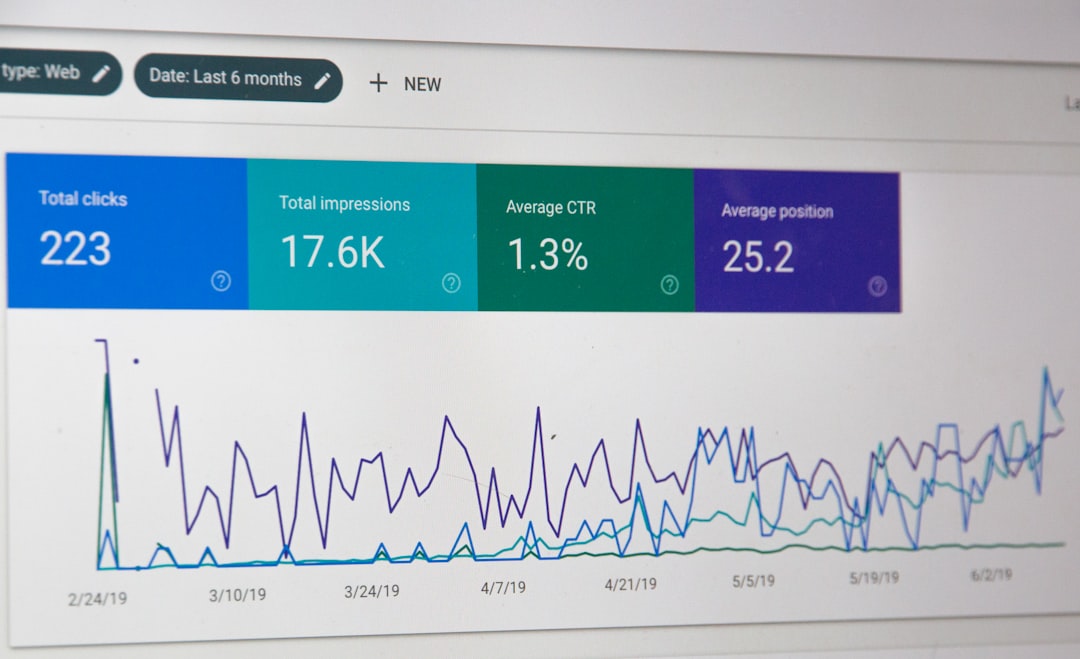
Rankings matter, but they are not the whole story. A client may rank higher for several keywords and still question the value of the campaign if those rankings do not connect to revenue, leads, or meaningful traffic. Long-term retention improves when reporting focuses on business impact.
Strong SEO reports should highlight:
- Organic traffic trends and user engagement.
- Conversions from organic search.
- Keyword movement for commercially valuable terms.
- Technical improvements completed during the month.
- Content published, updated, or optimized.
- Revenue, lead quality, or local visibility improvements where data is available.
The report should also include interpretation. A spreadsheet of numbers may show activity, but it does not always show value. Clients need to understand what the numbers mean, why they changed, and what will happen next.
Educate Clients Without Overwhelming Them
Educated clients are often easier to retain because they understand the process. They know why technical SEO matters, why content requires time, and why competitors can influence ranking progress. However, education should be practical and simple rather than overwhelming.
An agency can educate clients by explaining algorithm updates, reviewing search intent, discussing competitive gaps, and clarifying how on-page improvements support conversion goals. The goal is not to turn clients into SEO specialists. The goal is to help them make informed decisions and appreciate the strategy behind the work.
When clients understand the reasoning, they are more likely to approve recommendations, provide needed resources, and remain patient through gradual growth periods.
Be Proactive with Strategy
SEO clients want to feel that their provider is thinking ahead. If an agency only reacts to problems or waits for the client to request ideas, the relationship may begin to feel transactional. Proactive strategy shows leadership.
This can include identifying new content opportunities, recommending website improvements, analyzing competitors, adjusting to search changes, or suggesting conversion rate improvements. A proactive SEO team regularly asks, “What can create the next stage of growth?”
Long-term clients also need evolving strategies. The plan that worked during the first six months may not be enough in year two. As a website gains authority and visibility, the agency should refine its focus, target more competitive opportunities, and support broader marketing goals.
Build Relationships Beyond Deliverables
SEO retention is not only about deliverables; it is also about relationships. Clients are more likely to stay with providers they trust, respect, and enjoy working with. This does not mean the agency must over-service or become informal. It means the team should show reliability, empathy, and genuine interest in the client’s success.
Relationship-building can be simple. Remembering business priorities, acknowledging internal challenges, celebrating wins, and being honest about setbacks all help strengthen trust. When problems arise, a strong relationship gives the agency more room to explain, adjust, and recover.
Trust grows when the agency does what it says it will do. Missed deadlines, vague answers, and unexplained delays weaken retention, even if the technical SEO work is strong.
Address Problems Before They Become Cancellations
Client dissatisfaction often appears before cancellation. Warning signs may include fewer meeting responses, repeated questions about value, budget concerns, or frustration with slow results. Agencies that monitor these signals can intervene early.
When concerns appear, the best approach is direct and constructive. The team should acknowledge the issue, review performance honestly, and present a clear action plan. If results are behind expectations, transparency is better than excuses. Clients may accept challenges when they believe the agency has a thoughtful plan to solve them.
Regular account reviews can also help. Quarterly business reviews give both sides a chance to evaluate progress, reset priorities, and align SEO activity with current business goals.

Show Progress Even During Slow SEO Periods
SEO growth is rarely linear. Traffic may fluctuate, rankings may shift, and technical limitations may slow results. During these periods, agencies must show progress in other ways. Completed audits, fixed crawl issues, improved page speed, new content assets, stronger internal linking, and better conversion paths all represent meaningful work.
Clients need to see that momentum exists even before major ranking gains arrive. A clear roadmap can help. When clients understand what has been completed, what is in progress, and what comes next, they are more likely to remain confident.
Conclusion
SEO client retention depends on a balance of expertise and communication. Agencies must deliver strong technical, content, and strategic work, but they must also explain that work in a way clients understand. Long-term success comes from setting expectations, proving value, adapting strategies, and maintaining trust.
When SEO providers act as true partners rather than vendors, clients are more likely to stay. The relationship becomes less about monthly tasks and more about continuous growth. That is the foundation of lasting SEO client retention.
FAQ
How long should an SEO agency expect to retain a client?
A healthy SEO client relationship can last for several years when goals, communication, and results remain aligned. Since SEO is a long-term channel, successful campaigns often grow stronger over time.
What is the biggest reason SEO clients leave?
Clients often leave because they do not understand the value being delivered. Poor communication, unclear reporting, unrealistic expectations, and slow visible progress are common causes of churn.
How often should SEO agencies communicate with clients?
Most clients benefit from monthly reports and meetings, along with shorter updates when important work is completed or issues arise. The exact frequency depends on the client’s needs and campaign complexity.
Should SEO reports focus only on keyword rankings?
No. Keyword rankings are useful, but reports should also connect SEO performance to traffic, conversions, leads, revenue, and completed strategic work.
How can an agency rebuild trust with an unhappy SEO client?
The agency should acknowledge concerns, review the data honestly, explain what happened, and present a clear recovery plan. Consistent follow-through is essential for rebuilding confidence.