Is Shipping Protection Worth It? Pros, Cons & When to Buy

Online shopping has made delivery faster and more convenient, but it has also made buyers more aware of what can go wrong between checkout and doorstep. Packages can be delayed, damaged, stolen, or misdelivered, and resolving those issues is not always simple. Shipping protection is marketed as a way to reduce that uncertainty, but whether it is worth paying for depends on the order value, the seller’s policies, the carrier, and your personal risk tolerance.
TLDR: Shipping protection can be worth it when you are buying expensive, fragile, time-sensitive, or hard-to-replace items. It is less useful for low-cost purchases, orders already covered by strong retailer policies, or shipments protected by carrier insurance. Before paying extra, read the terms carefully and compare the cost of protection with the actual risk and value of the order.
What Is Shipping Protection?
Shipping protection is an optional service, usually offered at checkout, that promises financial coverage or a replacement if an order is lost, stolen, or damaged during delivery. It may be provided by the retailer, a third-party protection company, or sometimes through the shipping carrier. Although shoppers often treat it like insurance, the legal structure and rules can vary, so it is important to read the fine print.
Typical coverage may include:
- Lost packages that never arrive or stop updating in tracking.
- Stolen deliveries after the carrier marks the package as delivered.
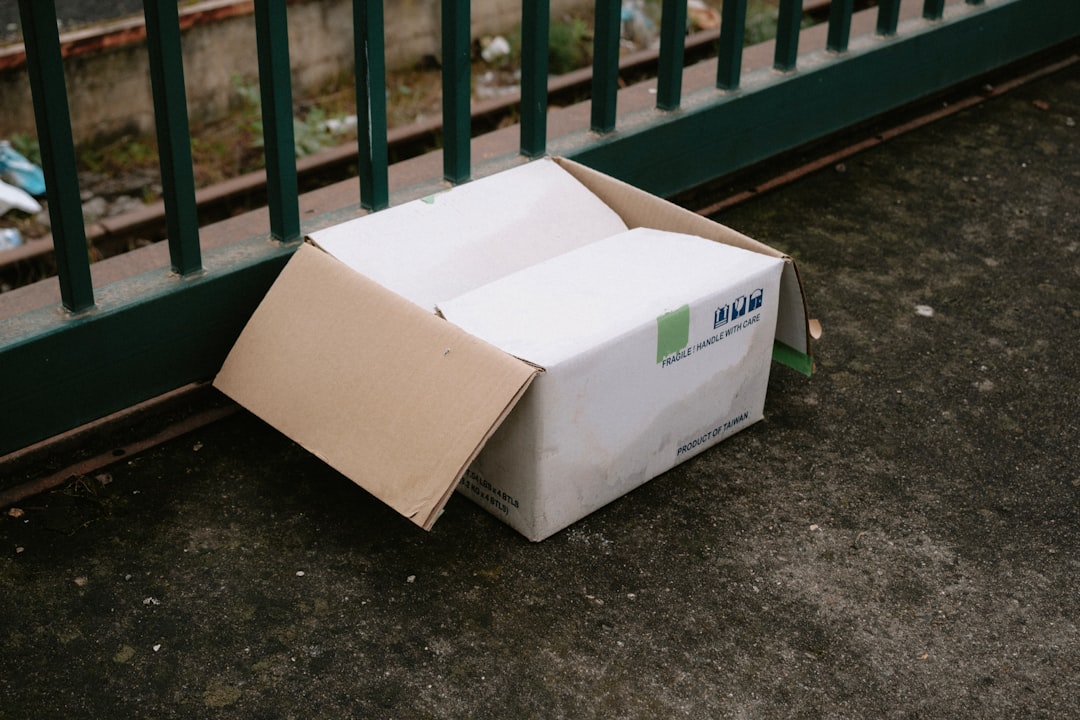
- Damaged goods caused by mishandling during transit.
- Replacement or refund support through a simplified claims process.
However, not all plans cover all scenarios. Some exclude incorrect addresses, unattended deliveries, weather damage, perishable goods, or claims filed after a short deadline. A plan that sounds broad at checkout may become much narrower when you actually need to use it.
The Main Pros of Shipping Protection
1. It can make claims easier. One of the biggest advantages is convenience. Instead of contacting the carrier, waiting for an investigation, and negotiating with the seller, shipping protection may offer a more direct claims process. For buyers who do not want to spend time disputing a missing or damaged package, that simplicity has real value.
2. It may cover theft after delivery. Carrier liability often ends once tracking shows a package was delivered. If a box is stolen from your porch, the carrier may not accept responsibility. Some shipping protection plans specifically cover porch theft, which can be helpful if you live in an apartment building, a busy neighborhood, or an area where package theft is common.
3. It provides peace of mind for higher-value purchases. Paying a small percentage of the order total may feel reasonable when the item is expensive. If you are ordering electronics, designer goods, collectibles, jewelry, or specialized equipment, a lost shipment could be financially painful. In those cases, protection may be a practical safeguard.
4. It can be useful for fragile or irreplaceable items. Damage claims can be difficult, especially if the seller and carrier disagree over whether the item was packed correctly or handled improperly. Protection can help if the item is glass, ceramic, handmade, vintage, or otherwise difficult to replace.
5. It may speed up resolution. A good protection provider may issue a refund or replacement faster than a standard carrier investigation. This matters if the shipment is needed for a birthday, business event, wedding, holiday, or repair project.
The Main Cons of Shipping Protection
1. You may already have coverage. Many reliable retailers will replace or refund lost and damaged orders as part of their customer service policy. Some carriers include limited insurance automatically, especially for certain shipping services. Credit cards may also offer purchase protection or dispute rights. If you are already protected, paying extra may be unnecessary.
2. The terms can be restrictive. Some plans require claims within a very short window, such as 7 to 15 days. Others require photos, police reports for theft, carrier documentation, or proof that you contacted the seller first. If you miss a deadline or cannot provide the required evidence, the claim may be denied.
3. It can add up over time. A few dollars may not seem like much, but frequent shoppers can spend a meaningful amount on protection across many orders. If most of your purchases arrive safely, you may pay far more in protection fees than you ever recover in claims.
4. It may create confusion about responsibility. When a third party handles protection, buyers sometimes get passed between the seller, carrier, and protection provider. If each party claims another one is responsible, resolving the issue can still be frustrating.
5. Not every plan is equally reputable. Some protection programs are transparent and responsive; others are less clear. A vague checkout checkbox is not enough. Serious buyers should look for clear coverage terms, claim timelines, customer support details, and reviews of the provider’s claim handling.

When Shipping Protection Is Usually Worth Buying
Shipping protection is most defensible when the potential loss is significant compared with the protection cost. Consider buying it in these situations:
- The item is expensive. If replacing the product would be financially difficult, protection may be worthwhile.
- The item is fragile. Glassware, artwork, instruments, electronics, and delicate handmade goods carry higher damage risk.
- The item is rare or hard to replace. Limited editions, vintage items, custom products, and collectibles may not be easily reordered.
- You live in a high-theft delivery area. If packages are often left outside, protection against theft can be valuable.
- The order is time-sensitive. If a delay or loss would cause major inconvenience, faster claim resolution may matter.
- The seller has a strict or unclear shipping policy. If the retailer disclaims responsibility after shipment, extra protection may reduce your risk.
In these cases, shipping protection functions less like an impulse add-on and more like a targeted risk management decision.
When You Can Probably Skip It
Shipping protection is not always a smart purchase. You may not need it when:
- The item is inexpensive. If the protection fee is close to the cost of replacing the product, it may not be rational.
- The retailer has a strong refund policy. Large, established sellers often resolve lost or damaged shipping issues without extra fees.
- The carrier service already includes insurance. Some shipping methods include basic coverage, though limits apply.
- You use secure delivery options. Signature confirmation, parcel lockers, office delivery, or pickup points can reduce theft risk.
- You are making frequent low-risk purchases. Paying protection on every small order can become an inefficient habit.
The key question is not whether shipping problems can happen. They can. The question is whether the cost of protection is justified by the likelihood and impact of a problem.
What to Check Before You Buy
Before selecting shipping protection at checkout, take a minute to review the details. Look for the following:
- Covered events: Does it cover loss, theft, and damage, or only some of them?
- Exclusions: Are certain products, destinations, or delivery situations excluded?
- Claim deadline: How soon must you file after delivery or expected delivery?
- Required proof: Will you need photos, police reports, packaging, or carrier confirmation?
- Resolution method: Will you receive a refund, replacement, store credit, or repair?
- Provider reputation: Is the protection handled by the seller or a third party with clear support channels?

Practical Alternatives to Shipping Protection
Instead of paying for protection, you can reduce risk in other ways. Use a delivery address where someone is available to receive packages. Choose signature confirmation for valuable items. Send orders to a workplace, locker, pickup location, or trusted neighbor. Track shipments closely and bring packages inside as soon as possible. For expensive purchases, consider using a credit card with purchase protection benefits.
It is also wise to buy from sellers with clear shipping and refund policies. A reputable merchant that takes responsibility for delivery issues may be more valuable than a cheap protection add-on from an unknown provider.
Final Verdict: Is Shipping Protection Worth It?
Shipping protection is worth it when the item is valuable, fragile, difficult to replace, or likely to be stolen after delivery. It can also be sensible when the seller’s policy is limited and the protection terms are clear. In those cases, the fee may buy not only financial coverage but also a faster and less stressful resolution.
However, it is not automatically worth buying on every order. For low-cost items, reliable retailers, secure delivery locations, and purchases already covered by carrier or credit card protections, it may be an unnecessary expense. Treat shipping protection as a case-by-case decision, not a default checkout habit. The best approach is simple: compare the fee, the item’s value, the delivery risk, and the actual policy terms before you click “add protection.”