RTI Connect Platform Overview: Features, Integrations, and Business Benefits

RTI Connect is often positioned as an operations platform for organizations that need clearer control over daily performance, inventory, labor, sales, and reporting. It gives managers and leadership teams a centralized environment where operational data can be collected, reviewed, and acted on without relying on disconnected spreadsheets or manual updates. For multi-location businesses, especially in food service, retail, and service-based environments, the platform can help standardize processes while still allowing each location to manage its day-to-day work efficiently.
TLDR: RTI Connect helps businesses bring operational data, reporting, inventory, labor, and sales insights into one connected platform. For example, a 12-location restaurant group could reduce weekly inventory reconciliation time by 30% and identify food cost variance across stores within minutes instead of days. Its value comes from connecting existing systems, simplifying workflows, and giving decision-makers more reliable, real-time visibility.
What Is RTI Connect?
RTI Connect is a business operations platform designed to help organizations manage information across departments and locations. Rather than treating inventory, labor, reporting, and sales as separate functions, it brings those data points together so teams can see how decisions in one area affect performance in another.
For example, if labor costs rise while sales decline, the platform can help management recognize the issue quickly. If inventory usage does not match sales volume, it can highlight potential waste, theft, incorrect recipes, or ordering mistakes. This connected view makes RTI Connect useful for companies that depend on timely operational decisions.

Core Features of the RTI Connect Platform
RTI Connect typically focuses on simplifying operational management by offering tools that support daily tasks and long-term planning. While exact features may vary by implementation, the platform commonly includes the following capabilities:
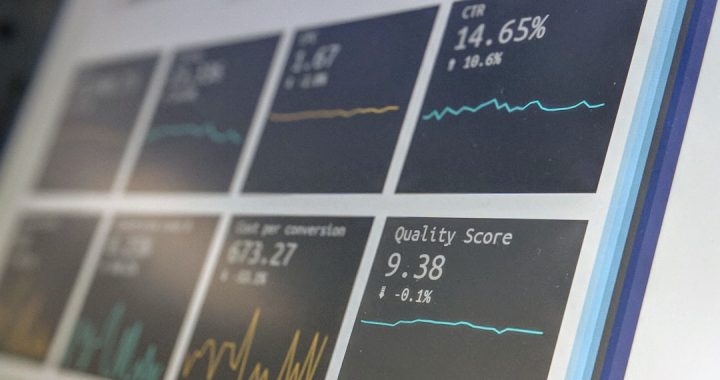
- Centralized reporting: Managers can access sales, labor, inventory, and performance reports from a single system.
- Inventory management: Teams can track stock levels, usage, transfers, and variance to reduce waste and improve ordering accuracy.
- Sales performance tracking: The platform can consolidate sales data from locations or connected systems to show trends, peaks, and underperforming areas.
- Labor and scheduling visibility: Businesses can compare labor spend against revenue, helping managers align staffing with demand.
- Forecasting and planning: Historical data can be used to support purchasing, staffing, and budgeting decisions.
- Multi-location oversight: Regional leaders can review performance across stores, branches, or departments without waiting for separate reports.
- Exception alerts: The system can help identify unusual activity, such as sudden cost increases, missing data, or inconsistent inventory counts.
These features are especially valuable for organizations that need to maintain consistency across teams. Instead of depending on each location to build its own reporting process, RTI Connect provides a more standardized structure.
Integrations and Data Connectivity
One of the main strengths of RTI Connect is its ability to support integrations with systems that businesses already use. A company rarely wants to replace every existing tool at once, so a connected platform must work well with point-of-sale systems, accounting software, payroll tools, supplier systems, and reporting solutions.
Common integration areas may include:
- POS systems: Sales information can flow into RTI Connect for daily reporting, product mix analysis, and revenue tracking.
- Accounting platforms: Financial data, invoices, and expense categories can be aligned with broader operational reports.
- Payroll and HR systems: Labor hours, employee costs, and scheduling data can be connected to sales performance.
- Vendor and supplier systems: Ordering, receiving, and invoice details can support more accurate inventory control.
- Business intelligence tools: Data can be exported or synchronized for advanced analytics and executive dashboards.
The business value of integration is not just convenience. When systems share accurate data, leadership can reduce duplicate entry, improve reporting speed, and limit the risk of human error. A manager no longer has to manually compare POS exports, labor sheets, and inventory spreadsheets to understand what happened during the week.
Business Benefits of RTI Connect
RTI Connect can create measurable value by improving how operational data is captured and used. For many organizations, the first major benefit is visibility. Teams gain a clearer picture of what is happening across the business, allowing problems to be found earlier.
Another important benefit is cost control. Inventory and labor are two of the largest controllable expenses in many service-based businesses. By connecting sales, labor, and purchasing data, RTI Connect can help identify overstaffing, excessive waste, inaccurate orders, or pricing issues.
The platform can also support faster decision-making. Instead of waiting until month-end to review financial results, managers can monitor performance daily or weekly. This enables more proactive management, such as adjusting schedules, changing order quantities, or reviewing product margins before losses grow.
Additional benefits include:
- Improved accountability: Standardized reporting makes it easier to compare locations and departments fairly.
- Reduced manual work: Automated data flow can decrease time spent on repetitive administrative tasks.
- Better forecasting: Historical trends can guide staffing, purchasing, and promotional planning.
- Greater consistency: Multi-location businesses can maintain uniform processes and reporting standards.
- Stronger compliance: Accurate records can support audits, financial reviews, and internal controls.
Who Can Benefit Most?
RTI Connect is particularly useful for organizations with multiple moving parts. A single-location business may benefit from better reporting, but the value grows significantly when there are several locations, larger teams, or more complex supply chains.
Businesses that may benefit include restaurant groups, hospitality operators, franchise networks, retail chains, and service organizations with recurring inventory or labor management needs. These companies often face the same challenge: important data exists, but it is scattered across several tools. RTI Connect helps turn that scattered information into usable insight.

Implementation Considerations
Before adopting RTI Connect, a business should clearly define its goals. Some organizations may want to reduce food cost variance, while others may focus on payroll efficiency, reporting speed, or location-level accountability. The implementation process is more effective when the company understands which metrics matter most.
Data quality is another important factor. If existing POS, inventory, or payroll data is inconsistent, the platform may still need cleanup and configuration before it can deliver reliable insights. Teams should also receive proper training so they understand not only how to use the system, but also how to interpret the information it provides.
Leadership support is equally important. RTI Connect can provide the visibility, but managers must be willing to act on the data. The greatest return usually comes when the platform becomes part of regular business routines, such as weekly performance reviews, inventory checks, labor planning, and financial reporting.
Final Thoughts
RTI Connect gives businesses a practical way to connect operations, improve visibility, and make better decisions from reliable data. Its strongest value appears when organizations use it to unify sales, labor, inventory, and financial information across locations. With the right integrations and internal processes, the platform can help reduce waste, improve accountability, and support more profitable operations.
FAQ
What is RTI Connect used for?
RTI Connect is used to centralize operational data, including sales, inventory, labor, reporting, and performance metrics, so businesses can manage daily operations more effectively.
Does RTI Connect integrate with POS systems?
Yes, RTI Connect can commonly integrate with POS systems to import sales data, product mix information, and transaction-level details for reporting and analysis.
Is RTI Connect only for restaurants?
It is often associated with restaurant and food service operations, but its core functions can also support other businesses that need inventory, labor, and multi-location reporting.
What are the main business benefits?
The main benefits include better visibility, reduced manual reporting, stronger cost control, improved forecasting, and more consistent management across locations.
How long does implementation take?
Implementation time depends on the number of locations, integrations, data quality, and training needs. A smaller rollout may be completed relatively quickly, while larger organizations may require a phased approach.