WordPress Management Service: When Should You Hire One?

Your WordPress site is more than a digital brochure. It may be your storefront, booking desk, publishing hub, lead generator, or customer support center. But as plugins multiply, traffic grows, and security risks evolve, keeping everything running smoothly can become a job of its own. That is where a WordPress management service can make the difference between a site that simply exists and one that actively supports your business.
TLDR: Hire a WordPress management service when maintaining your site starts costing you time, sales, or peace of mind. For example, if your online store loses even 2 hours of uptime during a busy sales week, that could mean hundreds or thousands in missed revenue. A managed service typically handles updates, backups, security monitoring, performance checks, and emergency fixes. If you are spending more than 3–5 hours per month troubleshooting WordPress issues, outsourcing may already be worth it.
What Is a WordPress Management Service?
A WordPress management service is a professional support solution that takes care of the technical, maintenance, and performance-related tasks required to keep a WordPress website healthy. Instead of logging in every week to update plugins, check for errors, run backups, and wonder whether your site is secure, you delegate those responsibilities to specialists.
Typical services include:
- Core, theme, and plugin updates
- Regular backups and restoration support
- Security monitoring and malware scans
- Speed optimization and uptime tracking
- Bug fixes and troubleshooting
- Database cleanup and technical audits
- Staging site testing before major updates
In short, it is like having a technical caretaker for your website. You still own the site and control its content, but someone else handles the behind-the-scenes work that keeps it stable.
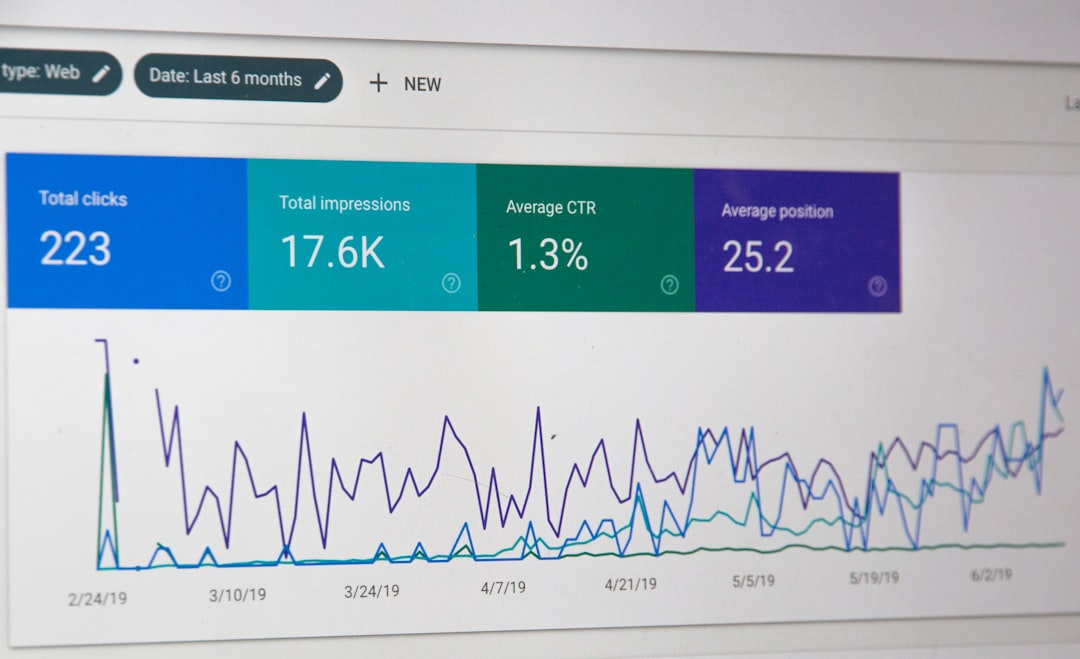
When Your Website Becomes Business Critical
If your WordPress site is just a personal blog that you update occasionally, you may not need professional management right away. But if the website plays a direct role in revenue, bookings, lead generation, education, or client trust, the stakes are higher.
Consider an eCommerce site that averages $500 in sales per day. If a plugin conflict breaks the checkout page for 24 hours, the loss is not theoretical; it is measurable. The same applies to a consultant whose contact form stops working, a restaurant whose reservation plugin fails, or a membership site where users cannot log in.
You should consider hiring a WordPress management service when your site is tied to:
- Online sales or paid subscriptions
- Appointment bookings or reservations
- Lead forms and quote requests
- Client portals or gated content
- Advertising revenue or affiliate income
The more your website contributes to business outcomes, the more valuable reliable management becomes.
When Updates Feel Risky or Confusing
WordPress updates are important, but they can also be stressful. A simple plugin update can occasionally break a layout, cause a conflict, or trigger errors across the site. This is especially true when a website uses many plugins, custom code, or an older theme.
A good management service does not just click “update” and hope for the best. Ideally, it tests updates safely, checks for conflicts, and confirms that key pages still work afterward. For larger sites, updates may be tested in a staging environment, which is a private copy of the website used for troubleshooting before changes go live.
If you have ever delayed updates for months because you were afraid something might break, that is a clear sign you may need help. Outdated software is one of the most common security risks for WordPress websites.
When Security Keeps You Up at Night
WordPress is popular, which also makes it a frequent target for bots, malware, brute force login attempts, and plugin vulnerabilities. Security is not only about preventing dramatic hacks. It is also about protecting customer data, preventing spam injections, keeping search rankings safe, and avoiding browser warnings that can damage trust.
A management service can help by monitoring suspicious activity, scanning for malware, enforcing secure login practices, and applying updates quickly when vulnerabilities are discovered. Some providers also help with firewall setup, spam protection, and recovery if your site is compromised.

If your business would suffer from a hacked homepage, blacklisted domain, or leaked user data, professional security support is not a luxury. It is part of responsible website ownership.
When Your Site Is Slow and You Do Not Know Why
Website speed affects user experience, conversions, and search visibility. Visitors are impatient; if a page takes too long to load, many will leave before reading your offer. A delay of just a few seconds can reduce engagement, especially on mobile devices.
WordPress performance issues can come from many places: oversized images, poor hosting, too many plugins, bloated themes, unoptimized databases, external scripts, or caching problems. Diagnosing all of that can be frustrating if you are not technical.
A WordPress management service can monitor performance and handle improvements such as:
- Image compression and lazy loading
- Caching configuration
- Database optimization
- Plugin review and cleanup
- Content delivery network setup
- Hosting recommendations
If you are constantly wondering why your site feels sluggish, or if customers mention that pages are slow, it may be time to bring in experts.
When You Do Not Have Time for Technical Tasks
Many business owners start by managing WordPress themselves. At first, this works fine. But over time, maintenance becomes one more task competing with sales, marketing, client work, hiring, bookkeeping, and operations.
Ask yourself: Is maintaining my website the best use of my time? If you charge $100 per hour for your professional work and spend 5 hours a month fixing website issues, that is $500 of your time. A management plan may cost less than that while also delivering better technical outcomes.
This is where the value becomes practical. You are not just paying for updates and backups. You are buying back focus. Instead of searching forums for plugin errors at midnight, you can work on strategy, service delivery, or growth.
When You Need Reliable Backups and Recovery
Backups are easy to ignore until something goes wrong. A failed update, accidental deletion, hosting issue, or malware attack can quickly turn into a crisis if you do not have a recent, working backup.
A strong WordPress management service should provide automated backups and confirm they can actually be restored. That last part matters. A backup that cannot be restored is not very useful.
Look for backup practices such as:
- Daily or real-time backups for active sites
- Off-site storage separate from your hosting account
- Easy restoration if something breaks
- Backup retention for multiple previous versions
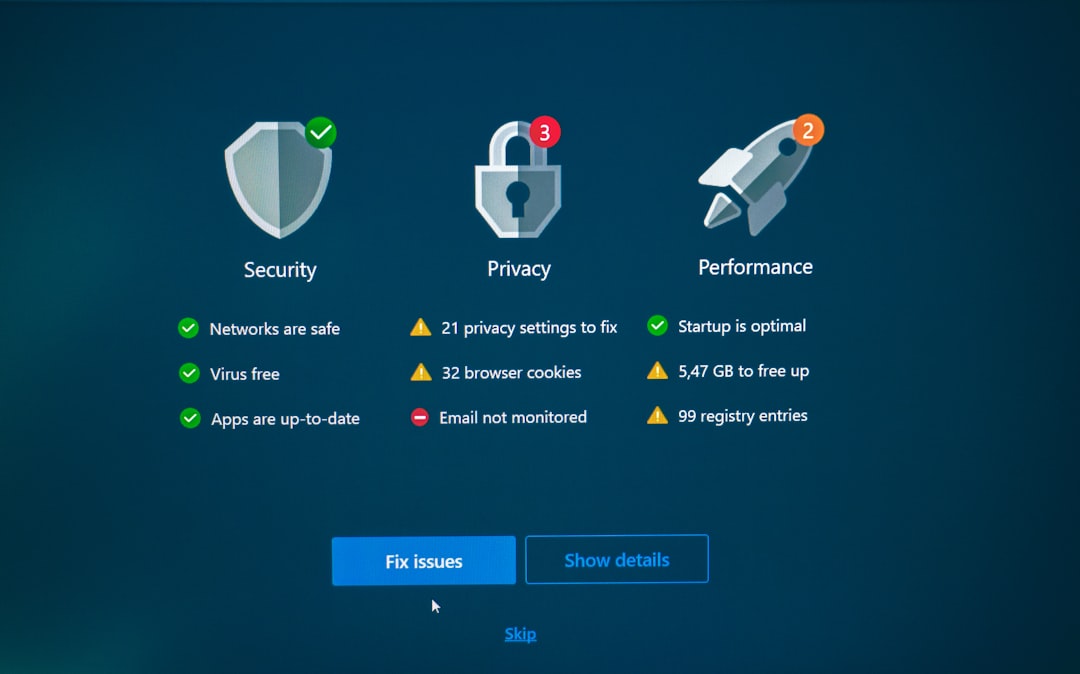
If your site changes often, especially with orders, bookings, or user accounts, reliable backups are essential.
When You Should Probably Wait
Not every website needs paid management immediately. If your site is small, rarely updated, not business critical, and you are comfortable handling basic maintenance, you may be able to manage it yourself for now.
You might wait if:
- Your site has only a few pages and minimal plugins
- You do not collect payments or sensitive information
- You already have a strong backup and update routine
- You enjoy learning WordPress maintenance
- Downtime would not seriously affect your goals
However, even simple sites should not be ignored completely. At minimum, you still need updates, backups, security basics, and occasional performance checks.
How to Choose the Right WordPress Management Service
Before hiring, compare services carefully. Some providers focus only on updates and backups, while others include security, hosting support, speed optimization, content edits, or development time.
Important questions to ask include:
- What exactly is included in the monthly plan?
- How often are backups performed?
- Do you test updates before applying them?
- Is emergency support included?
- Do you provide uptime and security monitoring?
- Will I receive monthly reports?
- What happens if my site is hacked?
Also pay attention to communication. A great technical team is only helpful if they respond clearly and quickly when you need them.
The Bottom Line
You should hire a WordPress management service when your website has become too important, too complex, or too time-consuming to manage casually. The right provider can reduce risk, improve performance, strengthen security, and free you from routine technical stress.
Think of it as preventive care for your online presence. You can wait until something breaks, or you can keep the site maintained so problems are less likely to happen in the first place. For many businesses, that peace of mind is worth far more than the monthly fee.