Top AI Avatar Tools for Real Estate Property Tours and Virtual Staging

As digital home buying becomes more common, real estate teams are under pressure to present properties clearly, quickly, and professionally online. AI avatar tools can help agents create guided video tours without filming themselves repeatedly, while AI virtual staging platforms can make empty or outdated spaces easier for buyers to understand. Used responsibly, these tools can improve listing presentation, support remote buyers, and reduce production costs without replacing the need for accurate property information.
TLDR: The strongest AI avatar tools for real estate property tours include Synthesia, HeyGen, D-ID, Colossyan, and Hour One, especially for creating polished, scripted video walkthroughs. For virtual staging, tools such as Virtual Staging AI, REimagineHome, ApplyDesign, and Styldod are useful for furnishing empty rooms and improving listing visuals. The best results come from combining avatar narration with accurate photos, floor plans, and transparent disclosures. Agents should avoid exaggerating property features or presenting staged images as exact reality.
Why AI Avatars Matter in Real Estate Marketing
Real estate has always relied on trust, clarity, and visual appeal. A buyer wants to understand not only what a property looks like, but also how the rooms connect, what makes the location valuable, and whether the home suits their lifestyle. Traditional listing photos are still essential, but they often do not tell the full story. Video tours can solve part of that problem, yet they require time, filming equipment, editing, and a confident presenter.
This is where AI avatar video tools are becoming practical. An agent can write a property tour script, choose a professional-looking avatar, add listing images or video clips, and generate a narrated tour in multiple languages. For agencies managing many listings, this can be a significant efficiency gain. A consistent avatar can explain property details, highlight amenities, introduce neighborhoods, and answer common buyer questions in a polished format.
However, the best use of AI avatars is not to create artificial hype. It is to make property information more accessible. A serious real estate brand should use avatars to support, not distort, the buyer’s decision-making process.
Image not found in postmetaWhat to Look for in an AI Avatar Tool
Before choosing a platform, real estate professionals should evaluate tools according to practical business needs rather than novelty. The following criteria are especially important:
- Video quality: The avatar should look professional, with natural facial movement and clear audio.
- Script control: Agents should be able to edit text easily, adjust tone, and update details when a price or feature changes.
- Brand consistency: The tool should support custom colors, logos, fonts, and presentation templates.
- Language options: Multilingual output is valuable for international buyers and diverse local markets.
- Media integration: The platform should allow listing photos, drone footage, floor plans, maps, and staged interiors.
- Commercial rights: Confirm that generated videos can be used in listings, social media ads, email campaigns, and brokerage websites.
- Compliance and transparency: The tool should support ethical use, especially when paired with edited images or staged spaces.
Top AI Avatar Tools for Property Tours
1. Synthesia
Synthesia is one of the best-known AI avatar video platforms and is suitable for real estate teams that need professional, repeatable video production. It offers many avatar options, clean templates, strong voice quality, and support for numerous languages. An agency can create a standard property tour format and reuse it for different listings by changing the script, images, and property details.
For real estate, Synthesia works well for premium listing introductions, neighborhood explainers, investment property summaries, and relocation guides. Its main strength is consistency. A brokerage can maintain a polished tone across multiple agents and markets. The limitation is that videos may feel formal if the script is too generic, so it is important to include specific details about the property, not just broad marketing language.
2. HeyGen
HeyGen is a strong choice for real estate marketers who want avatar-led videos with a more social media friendly feel. It offers realistic avatars, voice cloning options in some plans, translation features, and relatively quick video creation. For agents who publish on platforms such as Instagram, YouTube, TikTok, and Facebook, HeyGen can help turn a listing description into a short, engaging guided tour.
One valuable use case is creating several versions of the same property video: a 30-second teaser, a two-minute walkthrough, and a multilingual version for international prospects. HeyGen can also be useful for follow-up videos, such as “three things to know before viewing this home” or “why this neighborhood is attractive to families.” As with any avatar platform, agents should review pronunciation of street names, local landmarks, and property features before publishing.
3. D-ID
D-ID is known for turning still images into speaking digital presenters. In real estate, it can be useful when an agency wants a simple talking-head style video without building a large production workflow. Users can create short informational clips where a digital presenter introduces a listing, explains financing considerations, or summarizes key amenities.
D-ID may be especially practical for quick content, such as website explainers or email campaign videos. It is less focused on full presentation templates than some competitors, but it offers flexibility for teams that want to integrate avatar video through APIs or custom workflows. For brokerages with technical resources, this can be useful for producing listing videos at scale.
4. Colossyan
Colossyan is another serious option for professional avatar videos. It is often used for training and corporate communication, but those same strengths can apply to real estate. Clear narration, structured scenes, and multilingual capability make it suitable for listing presentations, buyer education, landlord onboarding, and investor updates.
For property tours, Colossyan can work well when the goal is to explain rather than entertain. For example, a commercial real estate firm could create avatar-led summaries of office spaces, warehouse facilities, zoning considerations, or lease terms. Residential agents can use it for calm, informative walkthroughs that emphasize practical details such as room dimensions, storage, parking, and renovation history.
5. Hour One
Hour One focuses on converting text into presenter-led videos using virtual humans. It can be a good fit for real estate businesses that want scalable video creation for listings, market updates, and educational content. Its templates and presenter options make it possible to create videos that feel more structured than a simple slideshow.
For agencies handling multiple listings per week, Hour One may help standardize production. A team could create templates for luxury homes, rental properties, new developments, and commercial listings. The result is a more consistent marketing library, though each script should still be customized with real property facts to avoid sounding automated.
6. DeepBrain AI
DeepBrain AI offers realistic AI human video generation and can be useful for high-quality presenter content. Real estate firms may use it for virtual receptionists, online listing introductions, office website videos, or market reports. The platform is especially relevant for businesses that want a professional digital spokesperson across multiple communication channels.
Its value is strongest when paired with a well-planned content strategy. Instead of producing one-off novelty videos, an agency can create a regular sequence: weekly market updates, new listing spotlights, buyer FAQs, and seller preparation guides. This builds credibility over time and gives prospects more reasons to engage with the brand.
Best AI Virtual Staging Tools to Pair with Avatar Tours
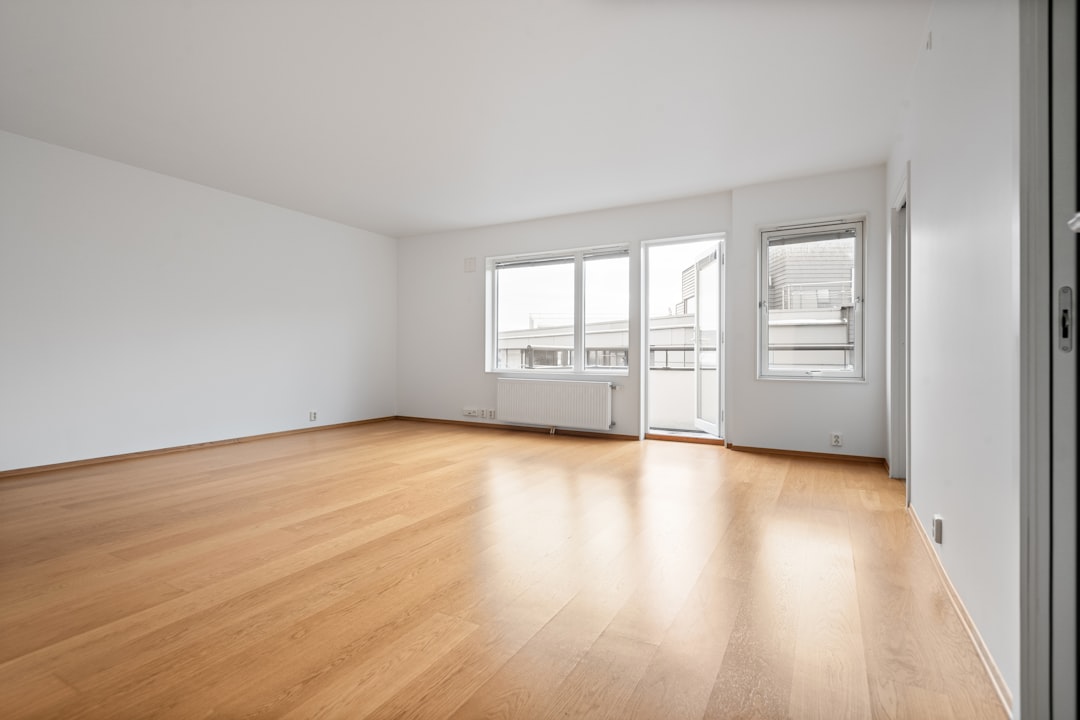
AI avatars become more effective when the visuals behind them are compelling. For vacant homes, unfurnished apartments, or older interiors, virtual staging can help buyers understand scale and potential. It is important, however, to label staged images clearly and avoid hiding material defects.
1. Virtual Staging AI
Virtual Staging AI is designed for fast furnishing of empty interiors. Users upload room photos and select design styles, allowing the system to generate staged versions quickly. For agents who need listing-ready images without waiting for manual editing, this type of platform can be very efficient.
It works well for standard residential listings, rental properties, and apartments where the biggest challenge is helping buyers visualize room function. A staged living room, bedroom, or home office can make an online listing more understandable and emotionally appealing.
2. REimagineHome
REimagineHome is useful for redesign concepts, furniture placement, and room transformation ideas. It can help agents show how an outdated space might look with modern decor or different styling. This is particularly relevant for listings that are structurally sound but visually dated.
The tool can support conversations with buyers who struggle to see potential. Still, agents should be careful to distinguish between design inspiration and actual renovation work. If walls, flooring, lighting, or fixtures are changed in an image, that should be disclosed clearly.
3. ApplyDesign
ApplyDesign focuses on realistic virtual staging and interior design visualization. It is a practical choice for agents who want polished listing images with different furniture styles. The ability to test multiple looks can help match the presentation to the likely buyer demographic, such as young professionals, families, downsizers, or luxury buyers.
When paired with an AI avatar tour, ApplyDesign images can be inserted into the video while the presenter explains how each room may function. For example, an avatar can guide viewers from a staged open-plan living area to a staged primary bedroom, creating a more complete online showing.
4. Styldod
Styldod offers virtual staging, photo enhancement, floor plan services, and related real estate visual marketing solutions. It can be useful for agents who want more than automated furnishing and prefer a broader listing presentation workflow. Services like item removal, image enhancement, and floor plan creation can complement avatar-led videos effectively.
This is especially helpful when preparing listings that need visual cleanup, such as vacant homes with poor lighting or rooms containing outdated furniture. Clean, accurate, and well-presented images give the avatar narration stronger credibility.
How to Build a Reliable AI-Powered Property Tour
A trustworthy AI property tour should follow a clear structure. Start with the address area or neighborhood context, then introduce the property type, size, number of rooms, and standout features. Move through the main living areas, kitchen, bedrooms, bathrooms, outdoor space, parking, storage, and nearby amenities. End with viewing instructions and a reminder to verify details through the agent or official listing documents.
A practical workflow might look like this:
- Collect accurate listing data, including dimensions, taxes, fees, disclosures, and recent upgrades.
- Prepare high-quality photos and video clips, including exterior, interior, floor plan, and neighborhood visuals.
- Use virtual staging where appropriate, clearly labeling images as staged or concept visuals.
- Write a concise script that explains real features rather than relying on vague sales language.
- Generate the avatar video using a platform such as Synthesia, HeyGen, D-ID, Colossyan, or Hour One.
- Review everything manually, including pronunciation, measurements, claims, and visual accuracy.
- Publish across listing portals, email campaigns, social media, and the agency website.

Compliance, Ethics, and Buyer Trust
AI tools can improve marketing, but they also create risk if used carelessly. Real estate professionals should never use avatars or virtual staging to imply that a property includes furniture, finishes, views, or renovations that are not actually present. If an image is virtually staged, say so. If a room has been digitally decluttered or redesigned, disclose it. If an avatar is AI-generated, avoid presenting it as a real person who personally visited the property.
Trust is particularly important in real estate because buyers make high-value decisions based on the information provided. Misleading visuals can damage reputation, create legal exposure, and weaken buyer confidence. A serious agency should treat AI as a presentation aid, not a substitute for professional judgment, inspections, disclosures, and direct communication.
Which Tool Is Best?
There is no single best AI avatar tool for every real estate business. Synthesia is a strong option for polished corporate-style listing videos. HeyGen is well suited for fast, flexible, social media oriented content. D-ID can be effective for simple talking presenter clips and API-driven workflows. Colossyan and Hour One are useful for structured, repeatable video production. DeepBrain AI is worth considering for agencies that want a highly professional digital spokesperson.
For virtual staging, Virtual Staging AI and ApplyDesign are strong choices for furnishing vacant rooms, while REimagineHome is useful for design inspiration and transformation concepts. Styldod is valuable for teams that need broader real estate visual services.
Final Thoughts
AI avatar tools and virtual staging platforms are becoming serious assets for modern real estate marketing. They can reduce production time, improve listing communication, and help buyers understand properties before scheduling a viewing. The most effective approach is to combine accurate property data, high-quality visuals, transparent staging disclosures, and a professional avatar narration that adds clarity rather than exaggeration.
For real estate professionals, the opportunity is not simply to create more content. It is to create better, clearer, and more trustworthy property presentations. When used with care, AI avatars and virtual staging can make online tours more informative, more accessible, and more persuasive while preserving the credibility that every successful real estate relationship depends on.