Tips for Shy People to Gain Confidence on Camera: Practical Techniques for Becoming More Comfortable, Natural, and Confident When Recording Video
Get comfortable on camera by making the camera feel boring. That is the fastest path. Not magical. Not glamorous. Just repeatable. You do not need a new personality. You need a few small habits that make recording feel less like a school presentation and more like talking to one friendly person.
TLDR: Start with tiny videos, not perfect videos. Record 30 seconds a day for one week and watch only one thing each time, such as your eye contact or your smile. For example, if Mia records seven short clips, she may still feel awkward, but by day five she can usually speak with fewer pauses and less panic. A simple practice plan can cut “camera freeze” by a lot because your brain stops treating the lens like a threat.
Why Being Shy on Camera Feels So Weird
Being camera shy is normal. Very normal. The lens is quiet. It does not nod. It does not smile. It just stares. Rude, honestly.
Your brain fills that silence with scary thoughts.
- “Do I look strange?”
- “What if I mess up?”
- “Why are my hands doing that?”
- “Do I always sound like this?”
Here is the good news. Confidence on camera is a skill. You can build it. Like cooking pasta. Like riding a bike. Like pretending you understand printer settings.
You do not need to feel confident first. You act a little more relaxed, then confidence catches up.
1. Start With Tiny Recordings
Do not begin with a 20-minute video. That is a trap. Start with 30 seconds. Even 15 seconds works.
Try this simple prompt:
- Say your name.
- Say what you are doing today.
- Say one thing you like.
Example:
“Hi, I’m Sam. Today I’m practicing being on camera. I like coffee, quiet mornings, and videos that do not make me want to hide under a blanket.”
Done. Stop recording. That counts.
Short clips lower pressure. They also make practice easy to repeat. Small wins matter. Your nervous system learns, “Oh, this was not a disaster.”
2. Talk to One Person, Not the Internet
The internet feels huge. Too huge. So do not talk to it.
Pick one person in your mind. A friend. A cousin. A favorite customer. Your future self. Then speak to that person.
Instead of saying:
“Hello everyone, welcome to my video.”
Try:
“Hey, I wanted to show you something quick.”
That sounds warmer. It feels easier too.
Tip: Put a tiny sticky note near the camera with that person’s name on it. This sounds silly. It works.
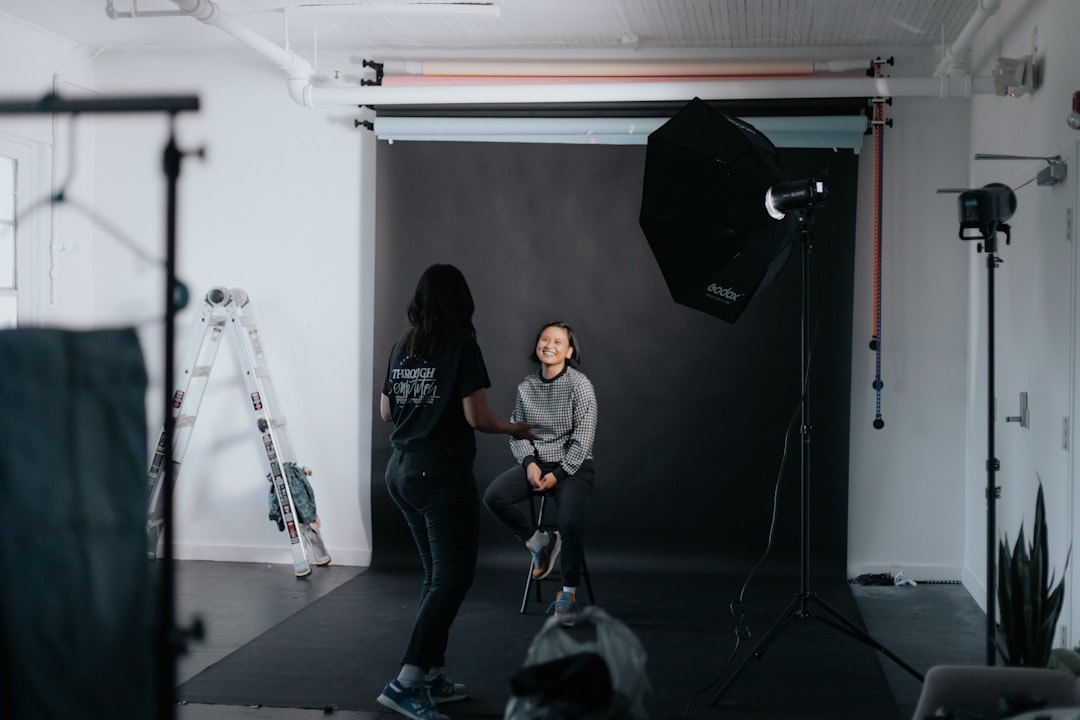
3. Set Up a Friendly Recording Space
You do not need a fancy studio. You need a space that does not annoy you.
Use this quick setup:
- Light: Face a window if you can.
- Camera: Keep it at eye level.
- Background: Keep it tidy, not perfect.
- Sound: Turn off fans and loud machines.
- Comfort: Sit or stand in a way that feels natural.
Honestly, it feels like some recording apps hide the microphone setting just to ruin your afternoon. Expect to waste 20 seconds finding the right button the first few times. Test your sound before recording the real clip.
Make your space easy to reuse. Leave your tripod ready. Keep your charger nearby. Remove friction. Future you will be grateful.
4. Use a Simple Script, Not a Full Essay
A full script can make you stiff. A blank screen can make you panic. Use bullet points instead.
Try this structure:
- Hook: What is this about?
- Main point: What should the viewer know?
- Example: Show or explain one thing.
- Close: What should they do next?
Example for a cooking video:
- Hook: “This is the easiest lunch I make.”
- Main point: “It takes 10 minutes.”
- Example: “Here are the three ingredients.”
- Close: “Try it with whatever vegetables you have.”
Bullets keep you focused. They also leave room for your real voice.
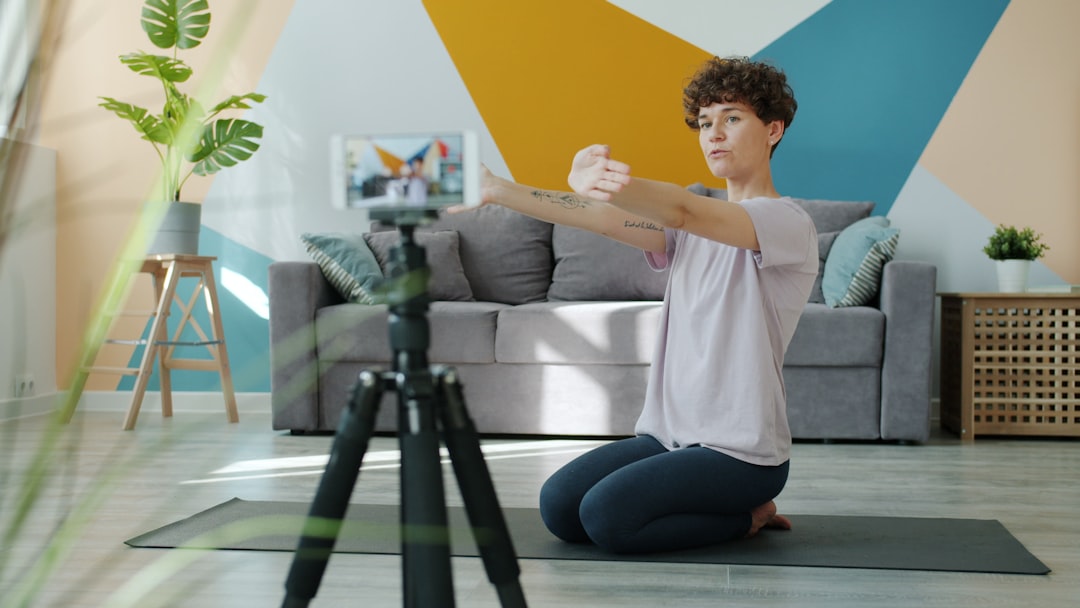
5. Warm Up Before You Hit Record
Your face and voice need warmup time. Actors do this. Singers do this. You can too.
Try this quick routine:
- Roll your shoulders five times.
- Take three slow breaths.
- Say, “red leather yellow leather” twice.
- Smile for two seconds.
- Shake out your hands.
Yes, it feels goofy. Good. Goofy breaks tension.
Then record your first take as a throwaway take. Tell yourself it does not count. This removes pressure. Many times, the throwaway take is the best one. Annoying, but useful.
6. Stop Chasing Perfect
Perfect videos are boring. Natural videos have tiny flaws. A pause. A laugh. A small stumble. Those things make you human.
If you mess up, pause. Smile. Start the sentence again. You can cut the mistake later. Or leave it in if it feels fine.
Use this rule:
If the message is clear, the video is good enough.
Not every clip needs movie magic. Most viewers want help, honesty, or a useful idea. They are not checking your eyebrow position.
7. Watch Your Videos the Smart Way
Watching yourself can feel painful. Your voice sounds strange. Your face feels unfamiliar. Everyone deals with this.
Do not watch the whole video while judging everything. That is not practice. That is emotional dodgeball.
Instead, review one thing at a time:
- First watch: Is the sound clear?
- Second watch: Did I explain the idea?
- Third watch: Did I look near the camera enough?
Pick one improvement for the next video. Just one.
Maybe you speak too fast. Maybe your eyes drift. Maybe your intro is too long. Great. Fix that next time.
8. Use Props and Movement
Shy people often feel awkward because they do not know what to do with their hands. Props help.
Hold something useful:
- A mug.
- A notebook.
- A product.
- A pen.
- A recipe card.
You can also point to something. Show a screen. Open a box. Write on paper. Movement gives your body a job. That makes you look more relaxed.
Just do not fidget nonstop. Slow is better. Calm hands make calm video.

9. Practice With a Low-Stakes Challenge
Try a seven-day camera challenge. Keep it private if you want.
- Day 1: Say hello for 15 seconds.
- Day 2: Share one tip.
- Day 3: Tell a tiny story.
- Day 4: Explain how to do something simple.
- Day 5: Record standing up.
- Day 6: Record in one take.
- Day 7: Record a full one-minute video.
Do not post anything unless you want to. The goal is comfort, not applause.
10. Make Your Face More Expressive
Camera energy looks smaller on screen. What feels like a big smile may look like a polite blink.
Add a little more energy than usual:
- Smile at the start.
- Lift your eyebrows when making a key point.
- Nod gently when explaining.
- Pause after an important sentence.
This does not mean acting fake. It means helping the camera capture what you already feel.
11. Record When Your Energy Is Best
Some people are morning people. Some people come alive at night. Some people should not speak before coffee. Respect that.
Record when you feel most awake. Keep water nearby. Eat something if you are shaky. Wear clothes that feel like you.
Confidence is harder when you are tired, hungry, or wearing a shirt that scratches your soul.
12. Build a Pre-Record Ritual
A ritual tells your brain, “We know what to do.” Keep it simple.
- Check light.
- Check sound.
- Read bullet points.
- Take one breath.
- Smile.
- Press record.
Do the same steps every time. Repetition creates safety. Safety creates ease.
Final Pep Talk
You are not “bad on camera.” You are just new to being watched by a tiny glass circle. That is weird. Of course it feels weird.
Start small. Speak to one person. Use bullets. Repeat often. Let your first videos be messy. Messy is allowed.
The goal is not to become someone else. The goal is to sound like you, only easier to hear and easier to see. Keep going. Your camera confidence is built one short clip at a time.