Quality Pages: What Makes a High-Quality SEO Landing Page?
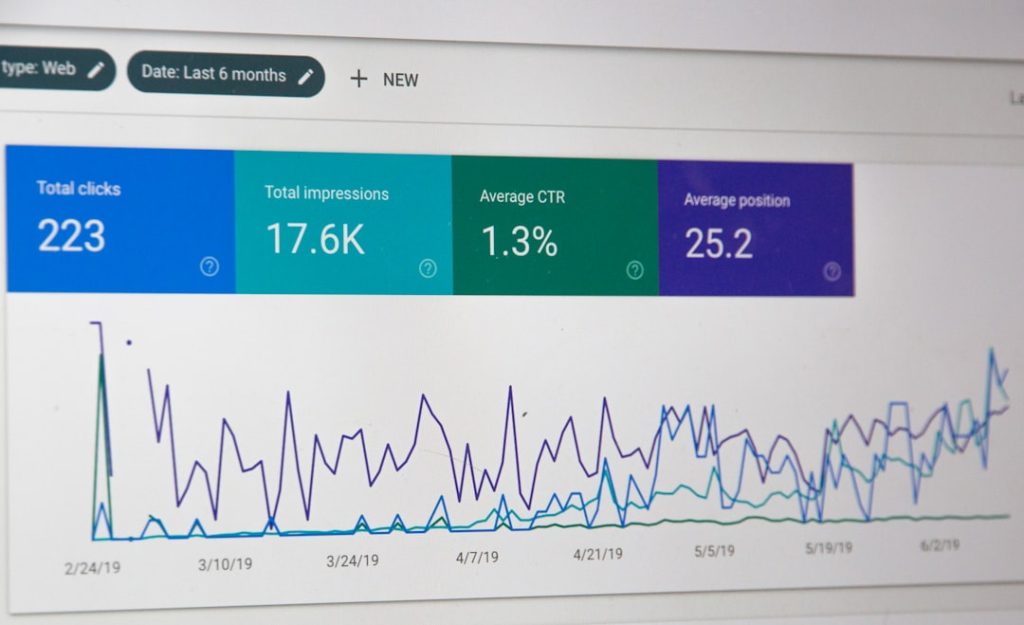
Search engines are getting better at recognizing what real people find useful. That means a successful landing page can no longer depend on keyword repetition, thin copy, or a flashy headline alone. A high-quality SEO landing page must satisfy search intent, communicate clearly, earn trust, and guide visitors toward a meaningful action.
TLDR: A quality SEO landing page matches the user’s intent, provides genuinely helpful content, and makes the next step easy. It should load quickly, look professional, and build trust through strong proof, clear structure, and accurate information. The best pages balance search engine visibility with a smooth, persuasive human experience.
What Is a High-Quality SEO Landing Page?
A high-quality SEO landing page is a page designed to attract organic traffic and convert visitors into leads, customers, subscribers, or engaged readers. Unlike a general website page, it usually focuses on one topic, one audience need, and one primary goal.
However, quality is not just about rankings. A page may rank temporarily, but if users bounce, feel confused, or fail to trust the content, it will not perform well over time. True quality combines relevance, usefulness, usability, credibility, and conversion clarity.
1. It Starts With Search Intent
Search intent is the reason behind a query. Before writing a landing page, you need to understand what the searcher is trying to do. Are they learning, comparing, buying, solving a problem, or looking for a specific service?
For example, someone searching “best running shoes for flat feet” wants recommendations, comparisons, and explanations. Someone searching “buy men’s running shoes size 10” is much closer to purchase. A quality page reflects that difference in tone, structure, and calls to action.
To match intent, ask:
- What problem does the visitor want solved?
- What information do they expect to find immediately?
- What objections or questions might stop them from taking action?
- What next step would feel natural and helpful?
2. Strong Headlines and Clear Above-the-Fold Content
The top section of a landing page must quickly answer three questions: What is this? Why should I care? What should I do next? If visitors cannot understand the value within a few seconds, they are likely to leave.
A strong headline should be specific rather than clever. It should connect directly to the search query and promise a clear benefit. The supporting text should expand on that promise without overwhelming the reader. A visible call to action, such as “Get a Free Quote”, “Compare Plans”, or “Download the Guide”, should appear early on the page.
3. Helpful, Original, and Complete Content
Quality content does more than fill space. It answers important questions, explains concepts clearly, and helps the reader make a decision. Search engines increasingly reward pages that demonstrate depth, originality, and practical value.
A high-quality landing page should include content that is:
- Relevant: It stays focused on the topic and avoids unnecessary tangents.
- Specific: It uses concrete details, examples, benefits, and use cases.
- Original: It adds perspective instead of repeating generic advice found everywhere else.
- Accurate: It avoids exaggerated claims and outdated information.
- Actionable: It helps the visitor understand what to do next.
For service pages, this might mean explaining your process, pricing factors, service areas, qualifications, and customer outcomes. For product pages, it may include features, benefits, specifications, comparisons, FAQs, and reviews.
4. Smart Keyword Use Without Over-Optimization
Keywords still matter, but quality pages use them naturally. The goal is to help search engines understand the topic while keeping the writing smooth for humans. Your primary keyword should appear in important places such as the title tag, main heading, introduction, and meta description, but it should never feel forced.
Use related terms and synonyms to create topical depth. For a page about SEO landing pages, related phrases might include conversion rate optimization, search intent, page speed, on-page SEO, and user experience. This helps the page feel more complete and contextually relevant.

5. Trust Signals That Reduce Doubt
Visitors are naturally skeptical, especially when a page asks them to buy, subscribe, book, or share personal information. Trust signals make the decision feel safer.
Effective trust builders include:
- Customer reviews and testimonials with real names or context when possible.
- Case studies showing measurable results or before-and-after examples.
- Security indicators for checkout, forms, and private information.
- Clear contact information, including email, phone, location, or support details.
- Author or company credentials that show expertise and accountability.
- Transparent policies around pricing, returns, privacy, or guarantees.
Trust is especially important for topics related to money, health, legal decisions, and safety. In these areas, expertise and accuracy are not optional; they are central to quality.
6. Clean Structure and Easy Scanning
Most visitors scan before they read. A high-quality SEO landing page supports this behavior with clear formatting. Short paragraphs, descriptive headings, bullet points, comparison tables, and highlighted benefits help users find what they need quickly.
Good structure also helps search engines interpret the page. Use one clear main heading, followed by logical subheadings. Avoid large walls of text. If the page is long, consider adding a table of contents or jump links to improve navigation.
7. Fast, Mobile-Friendly Performance
Technical quality directly affects both SEO and conversions. A beautiful page that loads slowly can lose visitors before they ever see the offer. Since many searches happen on mobile devices, responsive design is essential.
Focus on:
- Fast loading times by compressing images and reducing unnecessary scripts.
- Mobile readability with large enough text, tappable buttons, and simple layouts.
- Stable page elements that do not jump around while loading.
- Accessible design with proper contrast, alt text, and keyboard-friendly navigation.
Performance is not just a technical checklist. It shapes how professional, reliable, and easy your page feels.
8. A Clear and Compelling Call to Action
Every landing page needs a primary call to action. Without one, visitors may enjoy the content but leave without doing anything meaningful. The CTA should be visible, specific, and aligned with the visitor’s stage of awareness.
For early-stage visitors, a softer CTA such as “Download the Checklist” or “See Examples” may work best. For high-intent visitors, a direct CTA such as “Start Your Trial” or “Request a Consultation” may be more effective.
Avoid crowding the page with too many competing actions. A quality page guides attention rather than scattering it.

9. Internal Links, External Links, and Next Steps
Links help users continue their journey and help search engines understand relationships between pages. Internal links can point to related guides, product categories, pricing pages, testimonials, or support content. External links to authoritative sources can strengthen credibility when they genuinely support the page’s claims.
The key is usefulness. Do not add links just for SEO. Add them because they help the visitor make a better decision or understand the topic more fully.
10. Continuous Improvement Through Data
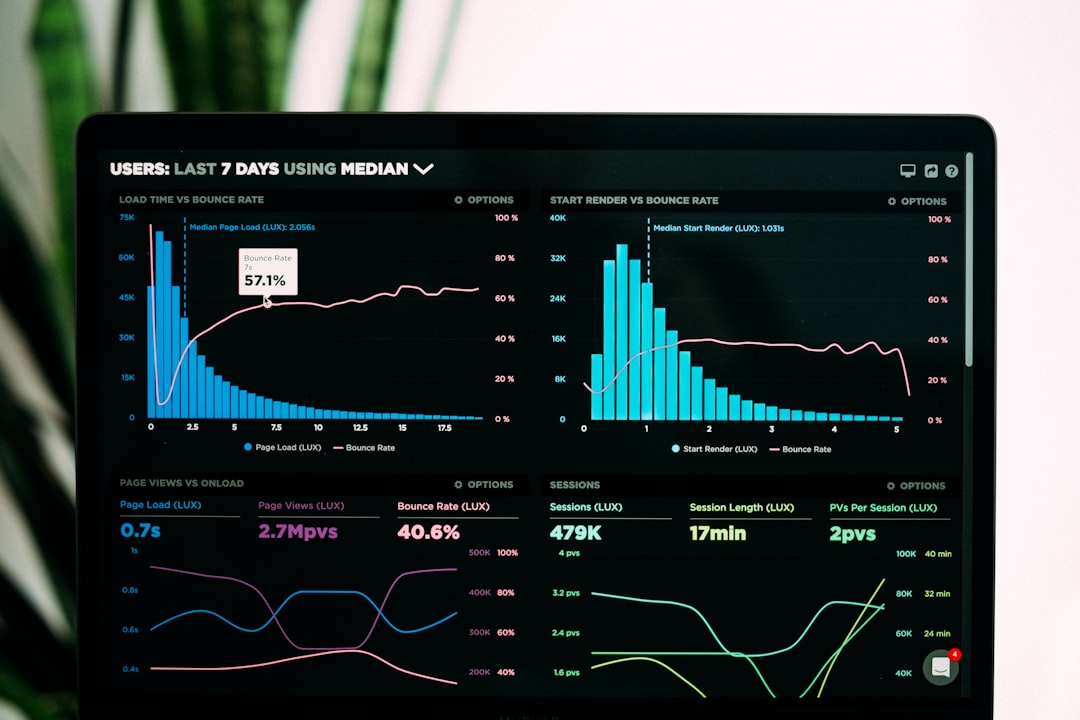
A landing page is rarely perfect on the first attempt. Quality improves through measurement and testing. Track organic traffic, rankings, bounce rate, engagement, form submissions, purchases, scroll depth, and conversion rate.
If visitors arrive but do not act, your offer or CTA may need work. If they leave quickly, the page may not match intent. If traffic is low, the content may need stronger optimization, better internal links, or more authority.
Testing headlines, page layouts, forms, images, and CTA wording can reveal what your audience actually responds to. The best SEO landing pages evolve based on evidence, not guesswork.
Final Thoughts
A high-quality SEO landing page is not built for algorithms alone. It is built for people who have a question, need, or goal. When the page answers that need better than competing results, search performance and conversions naturally improve.
Focus on intent, clarity, trust, speed, and usefulness. Add persuasive calls to action without sacrificing honesty or readability. In the long run, the pages that win are the ones that make visitors think, “This is exactly what I was looking for.”