Planet Booking Review: Features, Pricing & Hotel Booking Software Alternatives

Hotels no longer compete only on location or nightly rate; they compete on how easily a guest can discover, compare, book, pay, and modify a stay. Planet Booking is one of the hospitality technology options aimed at helping properties streamline direct reservations, reduce manual admin, and connect the booking journey with payments and hotel operations.
TLDR: Planet Booking is best suited for hotels that want a more connected booking and payment experience, especially if they already use or plan to use other Planet hospitality tools. Its strengths are direct booking functionality, payment integration, and operational connectivity, while its main drawback is that pricing is typically quote-based rather than instantly visible. For example, a 75-room boutique hotel that shifts even 10% of OTA bookings to direct bookings could save thousands annually in commission fees, depending on average daily rate and occupancy.
What Is Planet Booking?
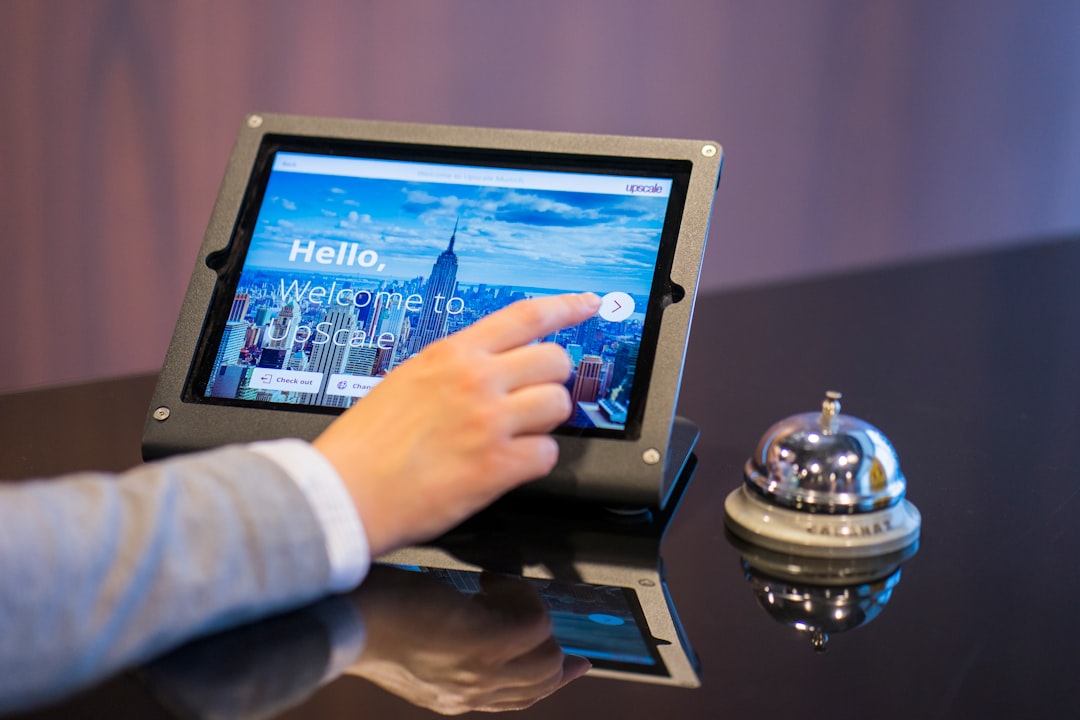
Planet Booking is hotel booking software designed to help accommodation providers accept and manage reservations through their own digital channels. Rather than relying entirely on online travel agencies, hotels can use a booking engine to turn their website into a direct sales channel.
The platform is generally positioned as part of a broader hospitality technology ecosystem, with an emphasis on booking, payment, and guest experience. This makes it relevant for independent hotels, boutique properties, hotel groups, resorts, and serviced accommodation operators that want a smoother reservation flow.
In practical terms, Planet Booking helps answer a simple but important question: Can a guest land on your website, find the right room, book confidently, and pay securely without friction?
Key Features of Planet Booking
While exact capabilities can vary depending on configuration and integrations, Planet Booking typically focuses on the following core areas:
- Direct booking engine: Allows hotels to take reservations through their own website, reducing dependence on third-party platforms.
- Real-time availability: Displays room inventory and rates to guests based on current availability, helping reduce overbooking risks.
- Rate and package management: Supports room rates, offers, promotions, and packages so hotels can sell more than just a bed for the night.
- Integrated payments: Planet’s hospitality tools often emphasize secure payment processing, which can simplify deposits, prepayments, and settlement.
- Mobile-friendly booking flow: A responsive experience is essential, since many travelers now research and book stays on smartphones.
- Multi-property support: Useful for hotel groups that need centralized control while still allowing property-level flexibility.
- Reporting and insights: Helps teams understand booking sources, revenue patterns, conversion rates, and guest behavior.
The biggest appeal is not just having a booking form on a hotel website. The value comes from combining availability, pricing, booking confirmation, and payment into one coherent guest journey.
User Experience: What It Feels Like in Daily Operations
For front desk and reservations teams, strong booking software should reduce repetitive work. Instead of manually confirming every inquiry, staff can let the system handle standard reservations while they focus on higher-value guest interactions.
For revenue managers, Planet Booking can help maintain more control over direct pricing and promotional strategies. For example, a hotel might offer a “stay three nights, save 15%” package directly on its website while keeping standard rates available on OTAs.
For guests, the ideal experience is straightforward: choose dates, compare rooms, view policies, enter details, pay if required, and receive confirmation. If the process feels slow or unclear, guests may abandon the booking and return to an OTA they already trust.
Planet Booking Pricing
Planet Booking pricing is not usually displayed as a simple public price list. Like many hotel technology providers, Planet often uses a custom pricing model based on property size, number of rooms, required modules, integrations, and transaction needs.
Typical pricing factors may include:
- Number of rooms or units managed through the system
- Single-property vs. multi-property setup
- Booking engine features and customization requirements
- Payment processing configuration and transaction volume
- Integrations with PMS, channel manager, CRM, or revenue tools
- Implementation and onboarding support
This quote-based approach can be frustrating if you want to compare vendors quickly. However, it may work well for hotels with more complex needs because pricing can be tailored to the operation rather than forced into a rigid subscription tier.
Before committing, ask for a full breakdown of monthly fees, setup costs, payment fees, support charges, contract length, cancellation terms, and integration costs. A booking engine that looks affordable at first can become expensive if essential features are treated as add-ons.
Pros and Cons
Pros
- Strong direct booking focus: Helps hotels capture more reservations through their own website.
- Payment connectivity: Useful for properties that want booking and payment workflows to work together smoothly.
- Suitable for professional hotel operations: Especially relevant for properties that need reliable infrastructure rather than a basic widget.
- Potential commission savings: More direct bookings can reduce reliance on OTA commissions, which often range from about 15% to 25%.
Cons
- No transparent public pricing: You will likely need to request a quote.
- May be more than small operators need: Very small inns or vacation rentals may prefer simpler, lower-cost tools.
- Integration questions matter: The platform’s value depends heavily on how well it connects with your existing PMS and channel stack.
- Sales process required: Buyers looking for instant signup may find the procurement process slower.
Who Should Consider Planet Booking?
Planet Booking is worth considering if your hotel wants to improve direct reservations and connect booking activity with broader hotel operations. It is particularly suitable for:
- Independent hotels with a strong brand website
- Boutique hotels trying to reduce OTA dependency
- Hotel groups needing a scalable booking solution
- Properties that prioritize secure, integrated payments
- Hotels with enough booking volume to justify a more advanced system
It may be less suitable for a five-room guesthouse that only needs a simple calendar, or for owners who want a low-cost tool they can set up in an afternoon without a sales consultation.
Best Planet Booking Alternatives
Planet Booking is not the only option in the hotel booking software market. Here are several alternatives worth comparing:
1. Cloudbeds
Cloudbeds is a popular hospitality management platform combining PMS, booking engine, channel manager, and revenue tools. It is often a strong choice for independent hotels, hostels, inns, and small groups that want an all-in-one system.
2. SiteMinder
SiteMinder is widely known for channel management but also offers a booking engine and hotel commerce tools. It is a good fit for properties that place heavy emphasis on distribution and rate connectivity across many booking channels.
3. Little Hotelier
Little Hotelier is designed for smaller accommodation providers such as B&Bs, guesthouses, and small hotels. It is typically easier for lean teams to manage and may be more approachable for properties with limited technical resources.
4. Mews
Mews is a modern cloud-based hospitality platform with PMS, booking, payments, and guest journey features. It is particularly attractive to tech-forward hotels that want automation, self-service options, and flexible integrations.
5. Oracle Hospitality
Oracle Hospitality is a major enterprise option, especially for larger hotels, resorts, and global chains. It can be powerful, but it may be too complex or costly for smaller independent properties.
How to Choose the Right Hotel Booking Software
When comparing Planet Booking with alternatives, focus less on feature lists and more on business outcomes. A good system should help you increase direct bookings, reduce errors, improve payment handling, and give guests a smoother booking experience.
Ask vendors these questions:
- Does the booking engine integrate with my current PMS?
- Can I manage rates, packages, promo codes, and restrictions easily?
- What is the average website booking conversion rate for similar hotels?
- Are payment fees clearly explained?
- How long does implementation usually take?
- What support is available during high-demand periods?
Final Verdict
Planet Booking is a solid option for hotels that want a professional direct booking solution with strong payment and operational connectivity. Its biggest advantages are control, integration, and the potential to shift revenue away from commission-heavy third-party channels.
However, the lack of upfront pricing means it is not the easiest product to evaluate quickly. Hotels should request a demo, compare total cost of ownership, and test how well the booking flow matches their brand and guest expectations.
If your property has meaningful direct traffic and wants to convert more website visitors into paying guests, Planet Booking deserves a place on your shortlist. If you need a simpler or more transparent entry-level tool, alternatives like Cloudbeds, SiteMinder, Little Hotelier, or Mews may be easier to compare and deploy.