Logo Signage Maker: Creating Professional Signs for Businesses
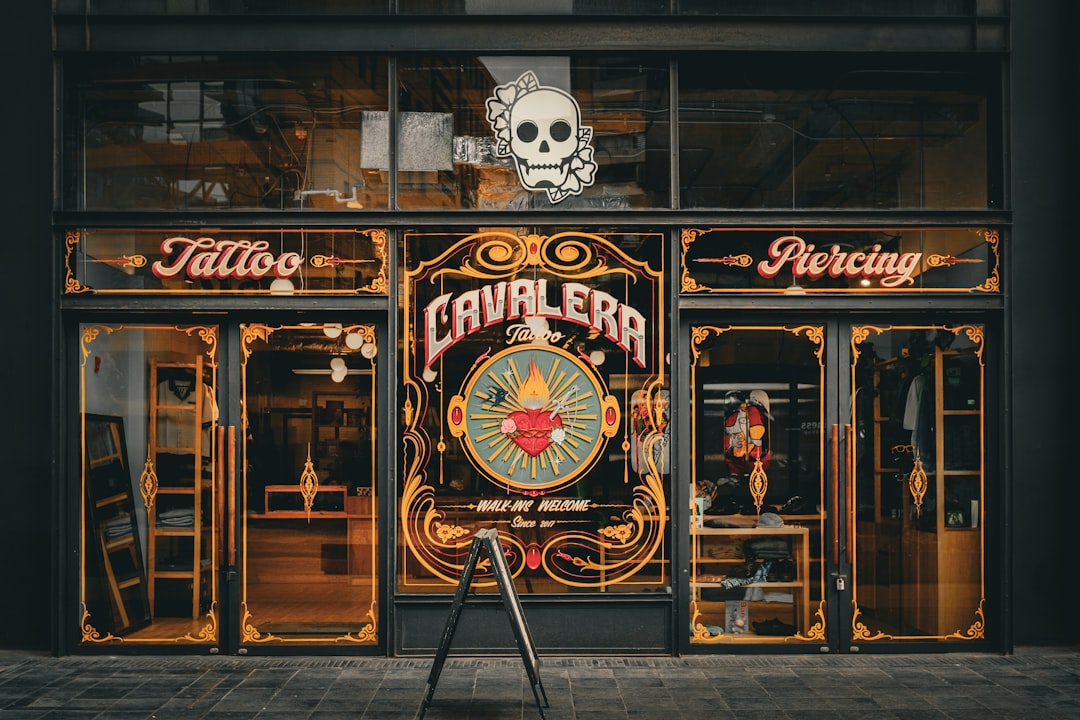
For any business that depends on visibility, trust, and instant recognition, professional signage is more than decoration. It is often the first physical interaction a customer has with a brand, whether that sign appears above a storefront, on a reception wall, in a trade show booth, or on a delivery vehicle. A logo signage maker helps businesses transform brand identity into clear, attractive, and durable signs that communicate professionalism at a glance.
TLDR: A logo signage maker allows businesses to create polished signs using their logo, colors, fonts, and brand style. It helps produce storefront signs, indoor displays, banners, vehicle graphics, and promotional signage with a professional appearance. The best results come from combining strong design principles, readable typography, suitable materials, and consistent branding. Businesses that invest in high-quality signage often improve brand recognition, customer trust, and local visibility.
Why Professional Logo Signage Matters
Signage plays a powerful role in how a business is perceived. A poorly designed sign can make even a reliable company appear unprofessional, while a sharp and well-crafted sign can immediately communicate quality, stability, and credibility. For retail stores, restaurants, offices, salons, clinics, real estate agencies, and service providers, signage works as a silent salesperson that operates every hour of the day.
A professional sign does more than display a business name. It reinforces the brand’s personality. A modern technology firm may choose sleek lettering and minimal colors, while a family restaurant may prefer warm tones and friendly typography. A luxury boutique may use metallic finishes, elegant spacing, and subtle illumination. Each choice influences how customers interpret the business before they ever walk through the door.
What a Logo Signage Maker Does
A logo signage maker is a design solution or process used to create signs that include a company’s logo and brand elements. It may be used by business owners, marketing teams, graphic designers, print shops, or signage manufacturers. The goal is to produce signage that looks consistent with the brand and works effectively in the intended environment.
Typically, a logo signage maker helps with several key tasks:
- Logo placement: The logo is sized and positioned so it remains visible and balanced.
- Color selection: Brand colors are applied accurately for consistency across signs and marketing materials.
- Typography: Fonts are chosen or adjusted to ensure readability from the required distance.
- Layout design: Text, icons, and visual elements are arranged clearly and attractively.
- Material planning: The sign format is matched to materials such as acrylic, aluminum, vinyl, wood, or fabric.
- Output preparation: Final artwork is prepared for printing, cutting, engraving, or fabrication.
When used properly, it bridges the gap between digital branding and real-world presentation. A logo that looks excellent on a website may need adjustments to work on a large outdoor sign, especially when viewed from a distance or under changing lighting conditions.
Common Types of Business Signs
Businesses use many sign formats, and each serves a different purpose. A logo signage maker should support designs that can be adapted across multiple locations and uses.
Storefront Signs
Storefront signs are among the most important forms of business signage. They identify the location, attract foot traffic, and help customers find the business quickly. They may include dimensional letters, lightbox signs, channel letters, hanging signs, or window graphics.
Indoor Lobby Signs
Lobby and reception signs reinforce professionalism inside a business. These signs often use acrylic, brushed metal, wood, or backlit elements to create a polished impression. They are especially common in corporate offices, medical practices, law firms, hotels, and studios.
Banners and Promotional Signs
Banners are ideal for events, grand openings, seasonal sales, and trade shows. They are generally affordable, portable, and easy to update. A strong banner design keeps the logo visible while highlighting a short message or call to action.
Vehicle Graphics
Vehicle signage turns company cars, vans, and trucks into mobile advertising. The logo must be simple, bold, and readable in motion. Contact details, website addresses, and service descriptions should be kept concise to avoid clutter.
Wayfinding and Directional Signs
Directional signs help customers navigate a space. These may include room labels, parking signs, restroom signs, floor directories, and arrows. While functional, they should still match the business’s broader visual identity.
Key Design Principles for Effective Logo Signage
Effective signage depends on more than simply enlarging a logo. Several design principles help ensure that the sign performs well in real-world conditions.
Readability Comes First
A sign must be readable quickly. Customers may see it while walking, driving, or scanning a crowded street. Large letters, strong contrast, and clean spacing improve readability. Decorative fonts may look appealing in small doses, but they can reduce clarity if used for essential information.
Contrast Improves Visibility
High contrast between text and background makes signage easier to read. Dark lettering on a light background or light lettering on a dark background usually works well. Low-contrast combinations, such as pale gray on white or dark red on black, can reduce visibility.
Brand Consistency Builds Recognition
Consistent use of logo, color, and typography helps customers recognize a business across different touchpoints. The sign outside the building should feel connected to the website, business cards, packaging, uniforms, and social media graphics. This consistency strengthens brand memory.
Simplicity Is Powerful
Many businesses try to include too much information on a sign. A professional logo signage maker encourages focus. The most important elements are usually the business name, logo, short descriptor, and sometimes contact information. Too many words, icons, or effects can make the design look crowded.
Scale Must Be Considered
A sign that looks balanced on a computer screen may appear very different when printed at large scale. Margins, letter thickness, and spacing may need adjustment. For outdoor signs, designers often evaluate viewing distance, installation height, and surrounding visual competition.
Choosing the Right Materials
Material selection affects the appearance, durability, and cost of signage. A logo signage maker may help visualize how a design could look across different materials, but the final choice depends on location and purpose.
- Acrylic: Smooth, modern, and popular for lobby signs, wall logos, and illuminated displays.
- Aluminum: Lightweight, durable, and suitable for outdoor business signs.
- Vinyl: Flexible and widely used for banners, window decals, wall graphics, and vehicle wraps.
- Wood: Warm and natural, often used by cafes, boutiques, studios, and rustic brands.
- Foam board: Lightweight and cost-effective for temporary indoor signs and presentations.
- LED and illuminated materials: Useful for businesses that need visibility at night or in low-light environments.
The right material should match the brand personality as well as the installation environment. For example, a premium financial firm may benefit from brushed metal lettering, while a children’s learning center may choose colorful acrylic or printed vinyl.
How Businesses Can Use a Logo Signage Maker Effectively
To get strong results, a business should begin with clear brand assets. The logo should be available in high-resolution or vector format, and brand colors should be defined. If the logo includes fine details, gradients, or very thin lines, those elements may need simplification for signage production.
A practical signage workflow often includes the following steps:
- Define the purpose: The business decides whether the sign is meant to attract attention, guide visitors, promote an offer, or strengthen interior branding.
- Identify the location: Indoor, outdoor, roadside, window, wall, and vehicle signs all require different design decisions.
- Set size requirements: The designer determines how large the sign must be based on viewing distance and available space.
- Create layout options: Several versions may be tested, including horizontal, vertical, centered, and icon-focused layouts.
- Review readability: The design is checked at different sizes and distances.
- Select materials: The final format is matched to budget, durability needs, and brand style.
- Prepare production files: The design is exported in the proper format for the sign manufacturer or printer.
This process helps avoid expensive mistakes. A sign may be costly to fabricate, so careful review before production is essential.
Benefits for Small and Local Businesses
Small businesses often compete with larger companies that have established brand recognition. Professional signage helps level the field by making a local business look credible and memorable. A clear storefront sign can increase walk-in traffic, while consistent banners and displays can make promotional campaigns more effective.
For local service providers, vehicle signage can be especially valuable. A plumber, electrician, landscaper, cleaner, or delivery company can gain repeated exposure while traveling through the service area. In neighborhoods where trust matters, a clean and branded vehicle can make the company appear more established.
Indoor signage also supports the customer experience. A branded reception sign, clear directional graphics, and professional wall displays can make customers feel more confident about the business. This is particularly important in industries where trust, care, or expertise are central to the service.
Common Mistakes to Avoid
Even with good tools, signage mistakes can happen. Businesses should avoid these common problems:
- Using low-resolution logos: Blurry or pixelated artwork can ruin the professional appearance of a sign.
- Adding too much text: Signs should communicate quickly, not function as brochures.
- Ignoring local regulations: Many cities, property managers, and shopping centers have rules about sign size, lighting, and placement.
- Choosing poor color contrast: Attractive colors are not always readable from a distance.
- Overusing effects: Shadows, outlines, gradients, and textures can make signs look dated or cluttered if overdone.
- Forgetting maintenance: Outdoor signs may need cleaning, replacement parts, or weather-resistant materials.
Professional planning reduces these risks and helps ensure the sign remains attractive over time.
The Role of Signage in Brand Experience
A business sign is part of a larger brand experience. It guides expectations before a customer speaks with staff, enters a store, or purchases a product. When signage is clean, consistent, and thoughtfully placed, it tells customers that the business pays attention to detail.
In competitive environments, signage can be the reason one business is noticed before another. A restaurant on a busy street, a clinic in a medical complex, or a boutique inside a shopping area all depend on clear visual identification. A logo signage maker supports this goal by turning brand identity into practical, visible communication.
Final Thoughts
A logo signage maker is an important resource for businesses that want to create professional, consistent, and effective signs. Whether the goal is to attract customers, decorate an office, promote an event, or brand a vehicle, signage should be designed with clarity and purpose. The strongest signs combine a recognizable logo, readable text, suitable materials, and a layout that reflects the personality of the business.
When businesses treat signage as a long-term brand investment rather than a simple display item, the results can be significant. A well-designed sign improves visibility, supports customer trust, and helps the brand remain memorable in both physical and digital environments.
FAQ
What is a logo signage maker?
A logo signage maker is a tool, service, or design process used to create professional signs that include a business logo, brand colors, typography, and other visual elements.
Why should a business use professional logo signage?
Professional logo signage helps a business appear credible, attract attention, improve brand recognition, and create a consistent customer experience.
What types of signs can be created with a logo signage maker?
Businesses can create storefront signs, lobby signs, banners, window decals, vehicle graphics, trade show displays, wall signs, and directional signs.
What file type is best for logo signage?
Vector files are usually best because they can be resized without losing quality. Common vector formats include files prepared for professional print or fabrication workflows.
How important is color contrast in signage?
Color contrast is extremely important. Strong contrast makes text and logos easier to read, especially from a distance or in outdoor environments.
Can small businesses benefit from custom signage?
Yes. Small businesses can use custom signage to look more professional, attract local customers, and compete more effectively with larger brands.
What should be included on a business sign?
Most signs should include the business logo, name, and a short message or descriptor if needed. Contact details may be included on certain signs, but simplicity is usually best.
How often should business signage be updated?
Signage should be updated whenever the brand changes, the sign becomes damaged, or the design no longer reflects the business’s current image. Outdoor signs should also be inspected regularly for wear.