Digital Advertising Platforms: Google Ads vs Meta Ads and Other Platforms for Reaching Online Audiences

Start with Google Ads when people are already searching, use Meta Ads when you need to create demand, and add other platforms only when they match your audience and sales cycle. That single rule saves budget, time, and a lot of second guessing. The best ad platform is not the one with the biggest reach. It is the one that matches user intent.
TLDR: Google Ads is strongest for high-intent searches such as “emergency plumber near me” or “best accounting software,” while Meta Ads is better for visual discovery, retargeting, and interest-based campaigns. A local dentist spending $3,000 per month might see stronger booked appointments from Google Search, while a skincare brand could get cheaper first-time buyers from Instagram video ads. In many campaigns, the smartest split is not 50/50; it may be 70% Google for leads and 30% Meta for retargeting and awareness.
Google Ads: Best When Buyers Already Know What They Want
Google Ads captures people at the moment they show intent. Someone types a problem, product, or service into Google. Your ad appears. That makes it powerful for search-led buying.
Search campaigns work well for:
- Local services, such as lawyers, dentists, HVAC companies, and plumbers.
- B2B software, especially when prospects search by category or pain point.
- Ecommerce products with clear demand and product-specific searches.
- Emergency or urgent needs, where the buyer wants a fast answer.
The main strength is intent. The main weakness is cost. Competitive keywords can become expensive very quickly. It drives me crazy that a small business can burn through a daily budget before lunch because three broad-match searches were too loose. Careful keyword control matters.
Google also includes Shopping Ads, YouTube Ads, Display Ads, and Performance Max. Search is the cleanest starting point for many advertisers. Performance Max can work, but it often hides too much detail. Expect to spend time checking search term reports, conversion data, and asset performance.

Meta Ads: Best for Discovery, Storytelling, and Retargeting
Meta Ads covers Facebook, Instagram, Messenger, and Audience Network placements. It is not built around active search intent. It is built around attention, behavior, interests, and creative testing.
Meta is strong when your product is visual or emotionally appealing. Fashion, fitness, food, beauty, home decor, apps, events, courses, and direct-to-consumer products often perform well here. Users may not be shopping right now, but a strong image or short video can create interest fast.
Meta Ads work well for:
- Brand awareness with video, Reels, and image ads.
- Retargeting people who visited your site but did not buy.
- Lookalike audiences based on past customers or email lists.
- Impulse purchases with simple offers and strong visuals.
The catch is that creative fatigue hits hard. An ad that performs well for two weeks can suddenly fall flat. You need fresh hooks, new visuals, and different angles. That makes Meta less of a “set it and forget it” channel and more of a constant testing machine.
Google Ads vs Meta Ads: The Real Difference
The simplest comparison is intent versus interest. Google often catches demand. Meta often creates it. Neither is better in every case.
| Factor | Google Ads | Meta Ads |
|---|---|---|
| User mindset | Actively searching | Browsing, watching, scrolling |
| Best formats | Search, Shopping, YouTube | Image, video, carousel, Reels |
| Best for | Leads, urgent needs, known products | Discovery, retargeting, visual brands |
| Main risk | High cost per click | Ad fatigue and weak intent |
If you sell replacement car keys, Google will probably beat Meta. People search when locked out. If you sell handmade candles with funny labels, Meta may do better because the product needs to be seen before it is wanted.
Other Platforms Worth Considering
Google and Meta get the most attention, but they are not always enough. Other platforms can be cheaper, more focused, or better suited to specific audiences.
Microsoft Ads
Microsoft Ads runs on Bing, Yahoo, and partner sites. It often has lower competition than Google. The audience can skew older and more desktop-based, which helps in finance, insurance, legal, and B2B markets. Volumes are smaller, but cost per lead can be surprisingly efficient.
LinkedIn Ads
LinkedIn Ads is expensive, but useful for B2B. You can target job titles, industries, company sizes, and seniority levels. A $12 click may sound painful, but it can make sense if one closed deal is worth $20,000. Use it for white papers, webinars, demos, and account-based campaigns.
TikTok Ads
TikTok Ads rewards native-feeling content. Polished corporate videos often fail. Quick, human, slightly messy clips usually feel more natural. TikTok can be great for beauty, gadgets, apps, food, entertainment, and youth-focused brands. The platform moves fast, so slow approval processes can hurt performance.
Image not found in postmetaAmazon Ads
Amazon Ads is essential for many ecommerce sellers. Users are already close to purchase. Sponsored Products and Sponsored Brands can place your items directly in shopping results. The downside is margin pressure. Between ad spend, Amazon fees, and discounts, profit can shrink before you notice.
Pinterest Ads
Pinterest Ads works well for planning-based purchases. Think weddings, home design, recipes, crafts, fashion, travel, and seasonal shopping. Users save ideas for later, so the buying path can be longer. Still, traffic quality can be strong when the product fits the platform.
Reddit Ads
Reddit Ads can reach niche communities. It is useful for gaming, software, finance, tech, collectibles, and hobby products. But the tone matters. Reddit users dislike obvious sales pitches. Ads that feel too glossy often get ignored or criticized.
How to Choose the Right Platform
Pick platforms based on intent, audience, creative, and budget. Do not start everywhere. That spreads the budget too thin and makes results hard to read.
- Define the goal: sales, leads, app installs, bookings, or awareness.
- Map the buying moment: are users searching now, or do they need persuasion?
- Check creative needs: do you have videos, product photos, testimonials, or demos?
- Set a test budget: enough for meaningful data, not just a few random clicks.
- Track real outcomes: revenue, qualified leads, booked calls, or repeat purchases.
For a small service business, a good starting plan might be 80% Google Search and 20% Meta retargeting. For a new lifestyle brand, the mix could be 60% Meta, 20% TikTok, and 20% Google Shopping. For a B2B software company, try 50% Google Search, 30% LinkedIn, and 20% remarketing across Meta or YouTube.
Measurement Matters More Than Platform Hype
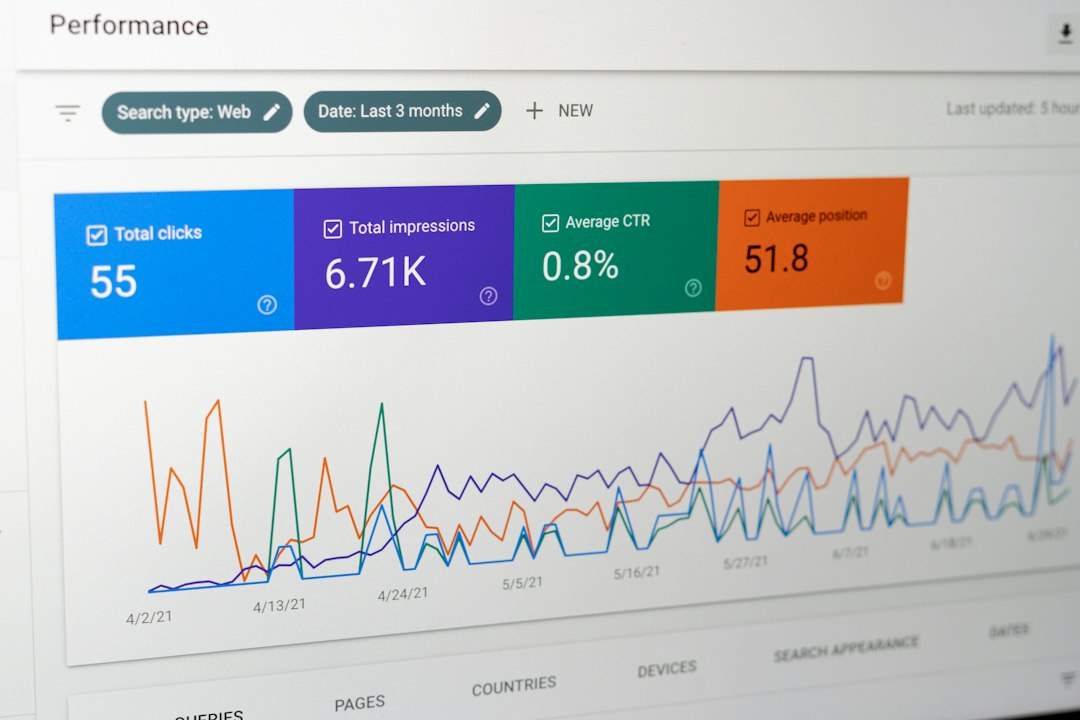
Bad tracking makes every platform look confusing. Set up conversion tracking before spending serious money. Track form fills, purchases, calls, booked appointments, and email signups. Use UTM tags. Check assisted conversions. Compare first-click and last-click data when possible.
Do not judge campaigns only by click-through rate. A funny ad may get clicks and no buyers. A boring search ad may look plain but create profitable leads. The numbers that matter are cost per acquisition, return on ad spend, lead quality, and customer lifetime value.
Final Takeaway
Google Ads wins when people are searching with intent. Meta Ads wins when strong creative can spark interest or bring visitors back. Other platforms shine when they match the audience: LinkedIn for B2B, Amazon for marketplace sales, TikTok for short-form video, Pinterest for planning, and Microsoft Ads for lower-competition search.
The smartest advertisers do not chase every channel. They test with purpose, cut weak campaigns fast, and move budget toward measurable profit. Start with the platform closest to your customer’s buying behavior. Then expand only when the data gives you a reason.