Glaswegian or Edinburgher: What’s the Correct Term?
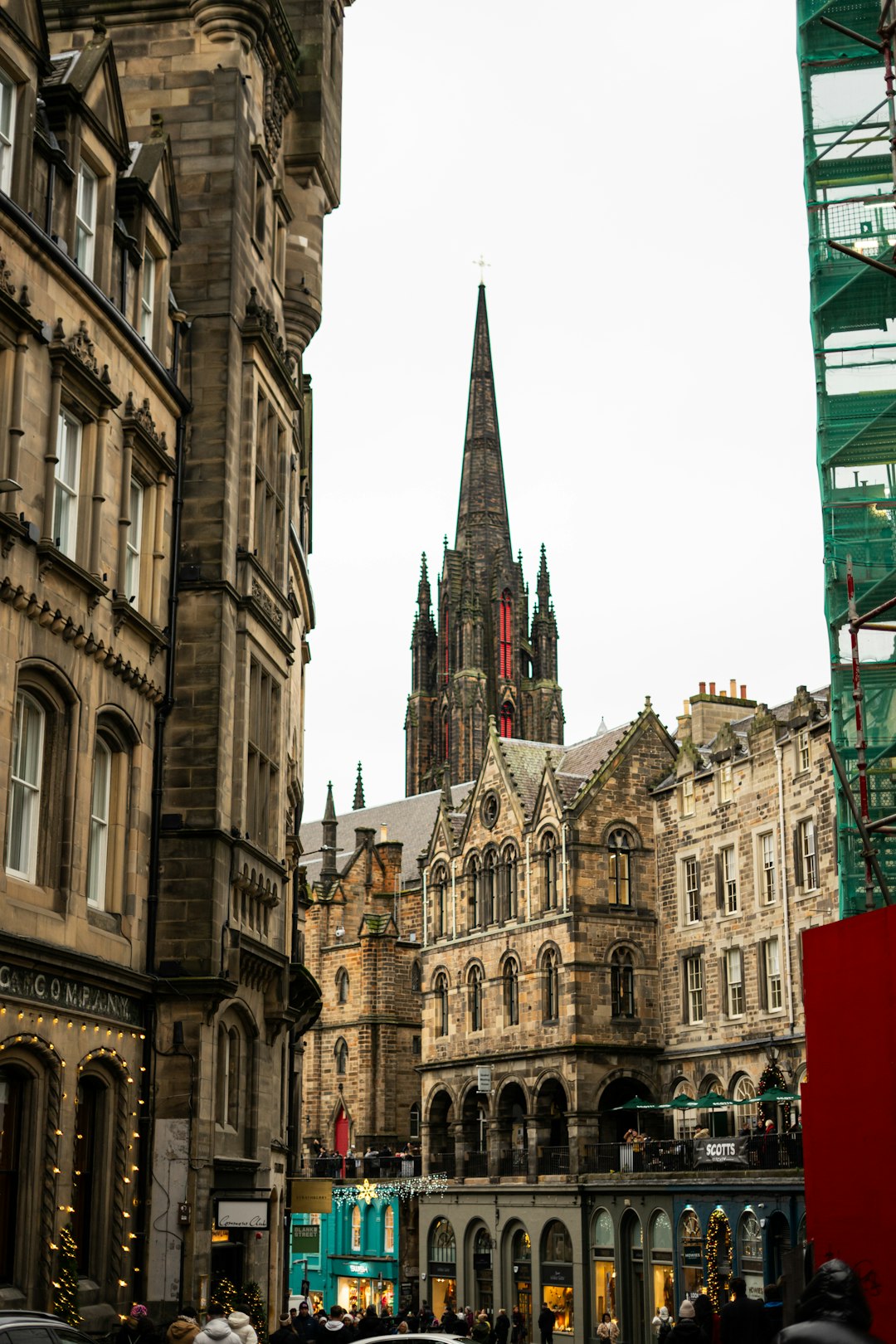
Ask someone what to call a person from Glasgow and the answer comes quickly: Glaswegian. Ask the same question about Edinburgh, and the room may suddenly become a little less certain. Is it Edinburgher, Edinburger, Edinburghian, or simply “someone from Edinburgh”? The difference is not just a matter of spelling; it opens a small but fascinating window into Scottish identity, local pride, language history, and the way city names become people names.
TLDR: A person from Glasgow is correctly called a Glaswegian. A person from Edinburgh is most commonly and correctly called an Edinburgher, though many locals simply say they are “from Edinburgh.” Edinburger is sometimes used humorously, while Edinburghian exists but sounds more formal or literary. If you want the safest everyday terms, use Glaswegian and Edinburgher.
The quick answer: Glaswegian and Edinburgher
The standard demonym for someone from Glasgow is Glaswegian. It is widely used, widely understood, and appears in dictionaries, newspapers, guidebooks, universities, sports writing, and everyday conversation. You can speak of a Glaswegian accent, Glaswegian humour, Glaswegian architecture, or a proud Glaswegian walking along the River Clyde.
For Edinburgh, the most straightforward equivalent is Edinburgher. It is a recognised term and is easy to understand: a person from Edinburgh is an Edinburgher, just as a person from London is a Londoner. However, it is fair to say that Edinburgher is less universally heard than Glaswegian. Many people from Scotland’s capital are more likely to introduce themselves with the phrase “I’m from Edinburgh” rather than “I’m an Edinburgher.”
Image not found in postmetaWhy is “Glaswegian” so familiar?
Glaswegian has a distinctive sound, and that distinctiveness has helped it stick. The word does not simply add “er” to the end of Glasgow. Instead, it has a more unusual ending: wegian. This makes it memorable, almost musical, and strongly tied to the city’s personality.
The term is also reinforced by Glasgow’s strong cultural identity. Glasgow is known for its warmth, wit, music, football, working class history, grand Victorian buildings, and famously expressive speech. The word Glaswegian carries more than geography; it suggests a tone, an attitude, and a sense of belonging. A Glaswegian accent, for example, is instantly recognisable to many people in Britain and Ireland, even if they cannot imitate it convincingly.
There is also the useful adjective form. You can say:
- Glaswegian humour
- Glaswegian culture
- Glaswegian architecture
- Glaswegian music
- Glaswegian slang
Because it works so well as both a noun and an adjective, the term has become deeply embedded in how people talk about the city.
So why does “Edinburgher” sound less common?
Edinburgher is logical, but it has a slightly awkward quality for some speakers. Edinburgh itself has a spelling that confuses outsiders, especially because the final gh is not pronounced as it appears. The city is usually pronounced something like ED-in-bruh or ED-in-buh-ruh, depending on accent. When “er” is added, some people stumble over where the word should bend: Edinburgh-er, Edinbrer, Edinburra-er?
That small pronunciation difficulty may be one reason people often avoid the demonym in casual speech. Instead of saying, “She’s an Edinburgher,” they may say, “She’s from Edinburgh.” The meaning is clear, and it avoids any worry about sounding odd.
Another reason is that Edinburgh’s identity is often framed through institutions and landmarks rather than a single colloquial label. People talk about the Edinburgh Festival, Edinburgh Castle, Edinburgh University, Edinburgh’s Old Town, and Edinburgh’s literary history. The city’s name itself does much of the work.
What about “Edinburger”?
Edinburger is one of the most tempting alternatives because it looks like “Edinburgh” plus “er,” and it resembles the word burger. That resemblance is exactly why it is often used playfully. You might see it in jokes, headlines, social media bios, or informal writing, but it is not usually the standard formal answer.
Calling someone an Edinburger is not necessarily offensive, but it may sound comic, touristy, or deliberately cheeky. It is the sort of word that works well in a pun but less well in a serious article, official biography, or academic context. If you are writing formally, Edinburgher is the better choice.
And “Edinburghian”?
Edinburghian also exists, and it has a certain elegant ring to it. It sounds more Latinised and perhaps more scholarly than Edinburgher. You might encounter it in historical writing, literary commentary, or contexts where the writer wants a more elevated tone.
For example, someone might write about Edinburghian society in the eighteenth century or Edinburghian intellectual life during the Scottish Enlightenment. In that kind of sentence, the word can feel appropriate. But as an everyday noun for a resident, it can sound a little stiff. “I met an Edinburghian at the café” is understandable, but most people would probably say, “I met someone from Edinburgh.”
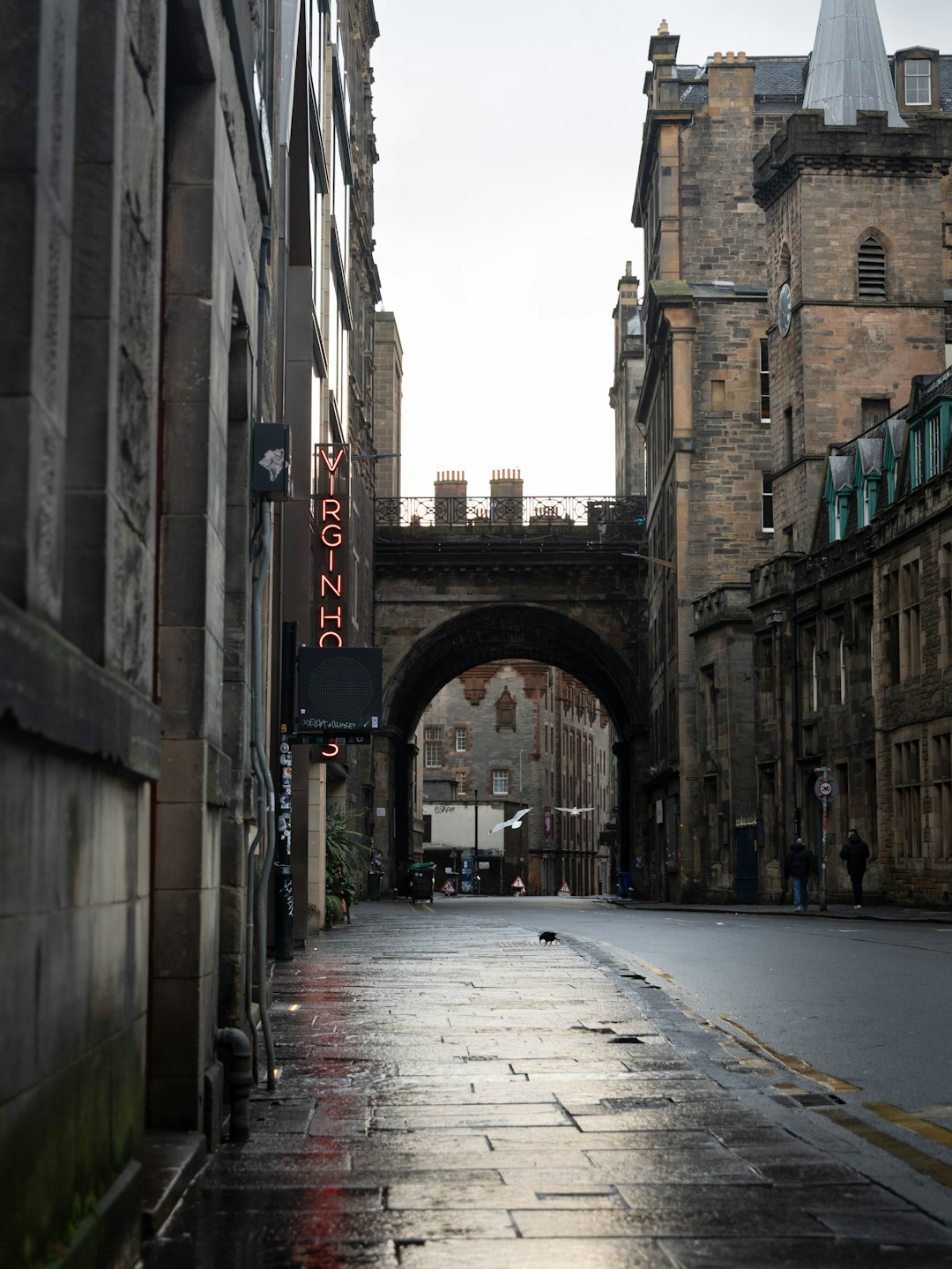
Demonyms: the names we give city people
Words like Glaswegian and Edinburgher are called demonyms. A demonym is a word used for the people who come from a particular place. Some are simple and predictable: London gives us Londoner, Dublin gives us Dubliner, and New York gives us New Yorker. Others are less obvious: people from Manchester are Mancunians, people from Liverpool are Liverpudlians, and people from Leeds are Loiners, though that last one is far less widely known.
Demonyms often preserve older forms of place names or reflect historical quirks. They do not always follow modern spelling or pronunciation. That is why guessing them can be risky. If English were perfectly regular, Glasgow might produce “Glasgower,” but language is not a machine. It is shaped by habit, sound, history, and the preferences of the people who use it.
Glasgow and Edinburgh: two identities, two tones
The contrast between Glaswegian and Edinburgher is not merely linguistic. It also reflects the different public images of Scotland’s two largest cities.
Glasgow is often associated with directness, humour, music, football rivalry, industrial heritage, and a famously sociable spirit. The word Glaswegian feels expressive and full of character, much like the city’s reputation. It is a word people use with pride, and it appears naturally in phrases such as pure dead Glaswegian or a proper Glaswegian welcome.
Edinburgh, by contrast, is Scotland’s capital, a city of government, law, literature, tourism, festivals, and dramatic stone architecture. It has nicknames such as Auld Reekie and the Athens of the North. Its identity is powerful, but perhaps more formal and place centred. The term Edinburgher is correct, yet it does not carry quite the same popular punch as Glaswegian.
Pronunciation matters
One reason these terms can be confusing is pronunciation. Glaswegian is usually pronounced something like glaz WEE jin or glas WEE jin, depending on accent. The stress falls strongly in the middle, which gives the word rhythm.
Edinburgher is less settled in casual speech. Many would say something close to ED in bruh er, though it may be smoothed in natural speech. Because the city name itself is often mispronounced by visitors as Edin burg, the demonym can inherit that uncertainty. A useful rule is this: pronounce the city first as Edinburgh, not Edinburg, then add a light er.
Which term should you use?
If you are writing or speaking and want to be accurate, follow these simple guidelines:
- Use “Glaswegian” for a person from Glasgow or anything relating to Glasgow culture.
- Use “Edinburgher” for a person from Edinburgh, especially in clear, neutral prose.
- Use “from Edinburgh” if you want the most natural everyday phrasing.
- Avoid “Edinburger” in formal writing unless you are making a joke.
- Use “Edinburghian” when you want a more formal, historical, or literary tone.
In journalism, travel writing, and general explanation, Edinburgher is usually the safest single-word choice. In conversation, however, many people will sound more natural saying, “He’s from Edinburgh” or “She grew up in Edinburgh.”

Are locals strict about it?
Usually, no. Scots are used to outsiders being unsure about place names and pronunciations, and most people will understand what you mean. That said, using the right term is a sign of attentiveness. Calling someone a Glaswegian is normal and likely to be welcomed. Calling someone an Edinburgher is also correct, though the person may simply respond, “Aye, I’m from Edinburgh.”
What matters most is tone. If you use these words respectfully and naturally, you are unlikely to cause offence. If you use Edinburger as a joke, make sure the context is light enough for humour. Like many local labels, the word may sound different coming from an insider than from an outsider.
The final verdict
The correct term for someone from Glasgow is Glaswegian. It is familiar, established, and culturally rich. The correct term for someone from Edinburgh is Edinburgher, although it competes with the more natural phrase “person from Edinburgh” and the more formal Edinburghian.
So, if you are comparing Scotland’s two great central belt cities, the neat pairing is Glaswegian and Edinburgher. One sounds bold and unmistakable; the other is correct but slightly less commonly heard. Together, they remind us that language is not always symmetrical. Cities develop their own voices, and sometimes the words for their people carry as much local character as the streets, accents, and stories behind them.