CRM for Inside Sales: Best Platforms for Lead Management, Calling, Pipeline, and Sales Tracking
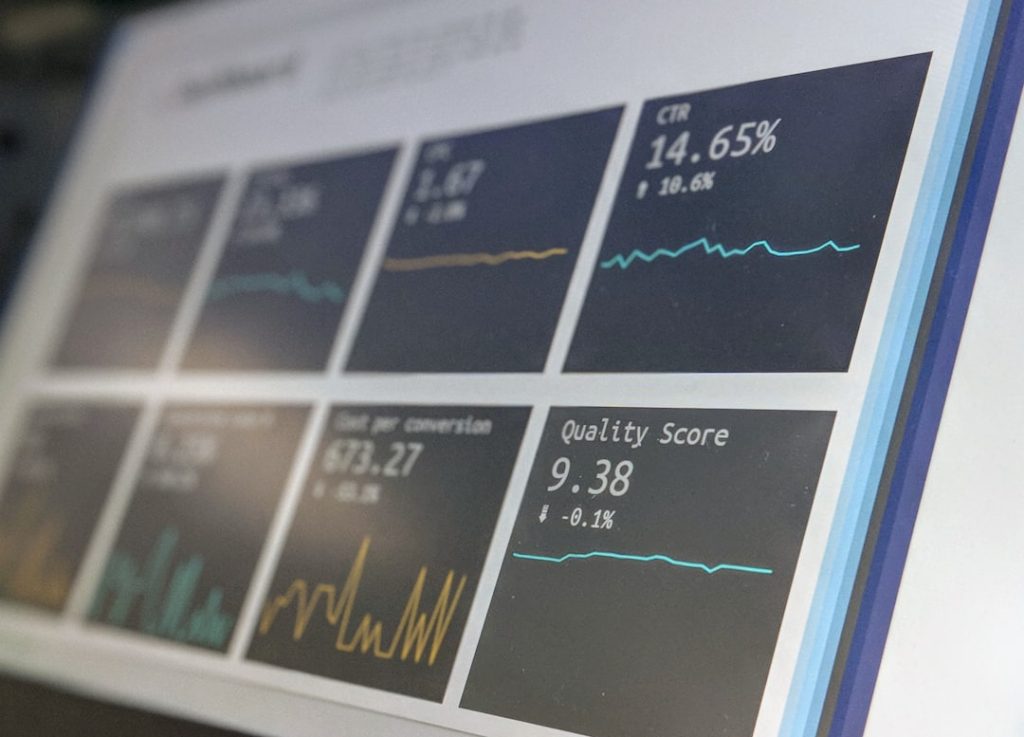
Inside sales teams live and die by speed, consistency, and visibility. A strong CRM should help reps prioritize the right leads, call with context, move opportunities through a clear pipeline, and give managers reliable sales tracking without forcing the team into excessive administration.
TLDR: The best CRM for inside sales depends on sales motion, team size, and how much calling automation you need. For example, a 12-person outbound team making 70 calls per rep per day may benefit more from Close or HubSpot Sales Hub than from a highly customized enterprise CRM. Teams that improve lead response time from 24 hours to under 5 minutes often see materially higher contact rates, especially for inbound leads. For most companies, the safest shortlist is HubSpot, Salesforce, Pipedrive, Zoho CRM, Close, and Freshsales.
What Inside Sales Teams Need From a CRM
Inside sales is different from traditional field sales. Reps rely heavily on phone, email, video, chat, and automated workflows rather than in-person meetings. That means the CRM must be more than a contact database. It should act as the operating system for daily selling activity.
A practical inside sales CRM should support four core functions:
- Lead management: capturing, scoring, routing, and prioritizing leads quickly.
- Calling: click-to-call, call recording, voicemail drops, call notes, and activity logging.
- Pipeline management: clear deal stages, next steps, probability tracking, and forecasting.
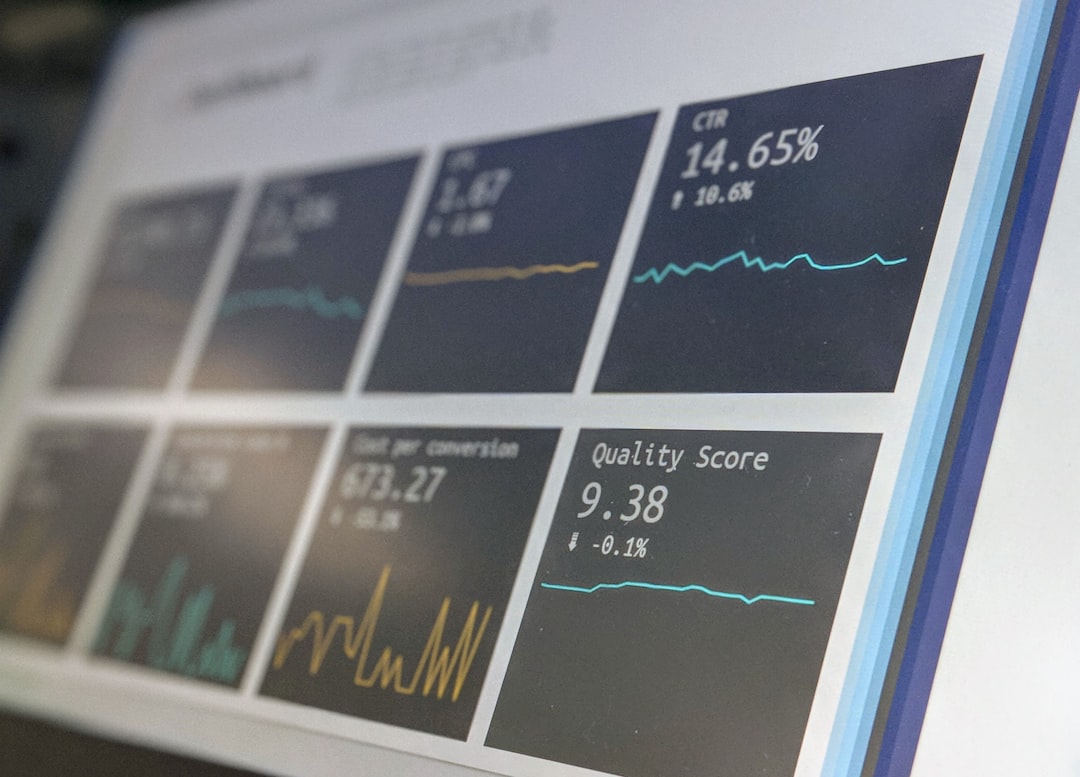
- Sales tracking: dashboards for activity, conversion rates, revenue, rep performance, and follow-up compliance.
The best platform is not always the one with the longest feature list. It is the one your reps will actually use every day, with clean data and minimal friction.

1. HubSpot Sales Hub: Best Overall for Growing Inside Sales Teams
HubSpot Sales Hub is often the best starting point for small and mid-sized inside sales teams because it combines ease of use with strong lead management, email tracking, calling, automation, and reporting. Its interface is clean, adoption is usually faster than with more complex CRMs, and the free CRM tier can be useful for early-stage teams.
HubSpot is particularly strong when marketing and sales need to work closely together. Inbound leads from forms, landing pages, ads, and email campaigns can flow directly into the CRM. Reps can see a contact’s engagement history, including page views, email opens, form submissions, and previous conversations.
Best for: B2B teams that rely on inbound leads, content marketing, demos, and structured follow-up.
Watch out for: Costs can rise as teams add advanced automation, custom reporting, and larger contact volumes.
2. Salesforce Sales Cloud: Best for Enterprise Customization and Reporting
Salesforce Sales Cloud remains one of the most powerful CRM platforms for organizations that need deep customization, complex sales processes, territory management, integrations, and enterprise-grade reporting. It can support inside sales, field sales, channel sales, customer success, and revenue operations in one ecosystem.
For inside sales, Salesforce is especially valuable when managers need detailed forecasting, advanced dashboards, approval processes, and integration with tools such as Outreach, Salesloft, Gong, ZoomInfo, or telephony systems. It is highly scalable and can be tailored to specific workflows.
Best for: Larger companies, complex sales organizations, and teams with dedicated CRM administration or revenue operations support.
Watch out for: Salesforce can be expensive and difficult to implement well. Without disciplined setup, it may become overly complicated for front-line reps.
3. Pipedrive: Best for Simple Pipeline Visibility
Pipedrive is built around visual pipeline management. It is a strong fit for inside sales teams that want a straightforward CRM focused on deals, activities, and next steps. The drag-and-drop pipeline makes it easy for reps and managers to understand where opportunities stand.
Pipedrive includes lead capture, email sync, automation, activity reminders, and reporting. Its calling tools are useful, though teams with heavy outbound dialing needs may still prefer a dedicated dialer or sales engagement platform.
Best for: Small and mid-sized sales teams that want pipeline clarity without excessive CRM complexity.
Watch out for: Advanced marketing automation and enterprise customization are more limited than in HubSpot or Salesforce.

4. Zoho CRM: Best Value for Feature Depth
Zoho CRM offers a broad set of features at a competitive price. It includes lead management, workflow automation, email, telephony integrations, analytics, sales forecasting, and AI-assisted recommendations through Zia. For budget-conscious teams, Zoho can deliver strong functionality without the higher cost of some enterprise platforms.
Zoho is also attractive for companies already using other Zoho applications, such as Zoho Desk, Zoho Campaigns, Zoho Books, or Zoho Analytics. The broader ecosystem can reduce software fragmentation for smaller businesses.
Best for: Cost-sensitive teams that still need robust CRM capabilities and customization.
Watch out for: The interface and setup can feel less intuitive than simpler CRMs. Teams should invest time in configuration and training.
5. Close: Best for High-Volume Calling Teams
Close is designed with inside sales calling at its core. It combines CRM functionality with built-in calling, SMS, email sequences, power dialing, call recording, and activity tracking. For outbound sales development representatives, this can significantly reduce tool switching.
Close is particularly useful for teams that measure productivity by conversations, call outcomes, booked meetings, and follow-up speed. Reps can call leads directly from the CRM, log outcomes quickly, and continue working through lead lists with minimal interruption.
Best for: Startup and SMB sales teams running outbound campaigns, appointment setting, or high-volume phone-based sales.
Watch out for: It may not be ideal for large enterprises with complex account hierarchies, approval processes, and multi-department CRM requirements.
6. Freshsales: Best Balanced CRM With Built-In Communication
Freshsales, part of the Freshworks suite, provides a balanced CRM for lead management, calling, email, automation, pipelines, and reporting. It includes built-in phone capabilities, lead scoring, sales sequences, and AI-based contact insights.
Freshsales is often a practical choice for teams that want communication tools inside the CRM without the complexity of a heavily customized enterprise system. It can also work well for organizations already using Freshdesk or other Freshworks products.
Best for: Teams seeking a reasonably priced CRM with native calling and everyday sales automation.
Watch out for: Some advanced reporting and customization needs may require higher-tier plans or additional configuration.
How to Choose the Right CRM for Inside Sales
Before selecting a platform, define the sales process in operational terms. How are leads created? Who owns lead routing? How quickly should reps respond? How many calls or emails are expected per day? What counts as a qualified opportunity? Which pipeline stages are mandatory?
A useful evaluation checklist includes:
- Lead speed: Can new leads be assigned instantly based on territory, product, deal size, or availability?
- Calling workflow: Does the CRM support click-to-call, recordings, call dispositions, and automatic logging?
- Data quality: Are required fields sensible, or will reps avoid updating records?
- Pipeline discipline: Are stages clearly defined with required next steps?
- Manager visibility: Can leaders track conversion rates, aging deals, missed follow-ups, and revenue forecasts?
- Integration fit: Does it connect with email, calendar, marketing tools, dialers, enrichment providers, and accounting systems?
A CRM decision should be based on workflow evidence, not vendor popularity alone. Run a short pilot using real leads, real calls, and real reporting requirements before signing a long-term contract.
Recommended Platform by Use Case
- Best overall for growing teams: HubSpot Sales Hub
- Best for enterprise customization: Salesforce Sales Cloud
- Best simple pipeline CRM: Pipedrive
- Best budget-friendly feature set: Zoho CRM
- Best for outbound calling: Close
- Best balanced CRM with built-in communication: Freshsales
Final Thoughts
The right CRM for inside sales should improve rep productivity, increase follow-up consistency, and give managers trustworthy data. If a platform adds administrative burden without improving lead response, call quality, pipeline accuracy, or sales tracking, it will not deliver its full value.
For many inside sales teams, HubSpot offers the best mix of usability and growth capability. Salesforce is the strongest choice for complex enterprise environments. Close stands out for phone-heavy outbound teams, while Pipedrive, Zoho CRM, and Freshsales each offer practical advantages depending on budget, process complexity, and communication needs.
Ultimately, the best CRM is the one that supports disciplined selling: fast lead response, clear ownership, consistent activity, accurate pipeline stages, and measurable revenue outcomes.