BL.INK Review: Evaluating Content Analytics and Link Tracking Capabilities

For organizations that rely on campaigns, content distribution, social media, email, offline promotions, and partner marketing, link tracking is no longer a minor operational detail. It is a core part of understanding what content performs, which channels generate engagement, and how audiences move from a click to a business outcome. BL.INK positions itself as a professional link management platform built for teams that need more than a basic URL shortener, with emphasis on branded links, analytics, governance, and scalable tracking.
TLDR: BL.INK is a serious, business-oriented link management platform with strong capabilities for branded short links, campaign tracking, and click analytics. Its value is strongest for marketing, communications, and enterprise teams that need reliable reporting, team controls, and cleaner attribution workflows. It may be more platform than a very small business needs, but for organizations managing many links across multiple channels, BL.INK offers a practical and trustworthy analytics layer.
What BL.INK Is Designed to Do
At its core, BL.INK helps users create, manage, monitor, and analyze shortened links. However, describing it simply as a URL shortener understates its purpose. The platform is built around link intelligence: turning every distributed link into a measurable asset. This includes branded short domains, campaign-specific URLs, click reporting, geographic insights, device data, referral source tracking, and management tools for teams.
For content teams, this matters because not every click is equal. A click from an executive newsletter, a paid social post, a QR code at an event, or an influencer campaign may all point to the same destination, but each represents a different distribution strategy. BL.INK helps separate those interactions so teams can assess performance with more confidence.
Content Analytics: Measuring More Than Click Volume
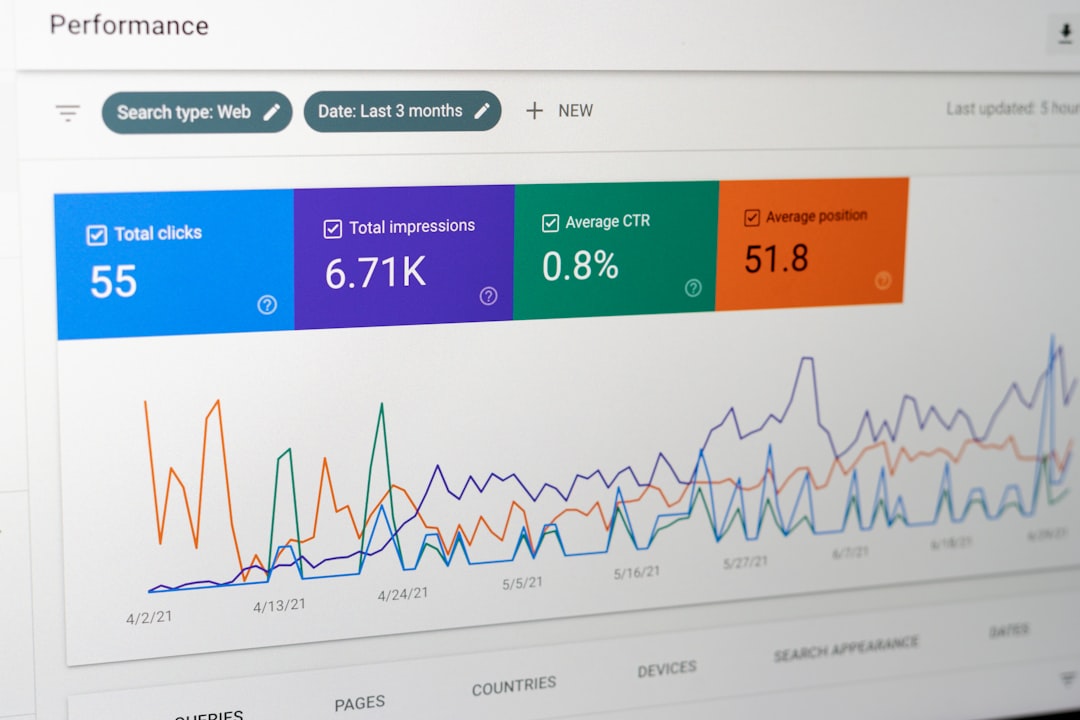
One of BL.INK’s main strengths is its ability to organize click data in a way that supports content performance analysis. Basic link tools often show total clicks and little else. BL.INK goes further by helping users understand where clicks came from, when they happened, and which link variations performed best.
For marketers and content teams, the most useful analytics typically include:
- Total clicks: A clear count of how often a link has been clicked.
- Unique engagement indicators: Useful for distinguishing broad attention from repeated interactions.
- Geographic data: Helpful for regional campaigns, event analysis, and market prioritization.
- Device and browser insights: Valuable for optimizing landing pages and content experiences.
- Referrer data: Important for understanding which platforms or placements are sending traffic.
- Time-based reporting: Useful for identifying campaign peaks, newsletter performance, and social timing.
This type of reporting can help answer practical questions: Did the webinar invitation perform better on LinkedIn or email? Did the QR code on printed materials generate meaningful traffic? Are mobile users engaging more than desktop users? Did a specific region respond more strongly to a campaign? BL.INK’s analytics are built to support these kinds of operational decisions.
Link Tracking and Campaign Attribution
Link tracking becomes especially valuable when used consistently across campaigns. BL.INK allows teams to create short links that can be tied to specific campaigns, channels, or messages. This is particularly useful when combined with UTM parameters, because it allows marketers to maintain cleaner attribution inside web analytics platforms while also using BL.INK’s own reporting interface.
For example, a content team can build separate tracked links for:
- Email newsletter placements
- Organic social media posts
- Paid media campaigns
- Partner or affiliate promotions
- Sales enablement materials
- Print campaigns using QR codes
- Event signage and presentations
This structure helps prevent one of the common problems in content analytics: aggregated traffic that cannot be clearly attributed. When every channel uses the same untracked URL, teams lose visibility. With BL.INK, each distribution point can have its own measurable link, making performance comparisons more credible.
Branded Links and Trust Signals
One notable advantage of BL.INK is support for branded short links. Instead of using generic short URLs, organizations can use their own custom domains. This is important for trust, especially in an environment where users are cautious about unfamiliar links.
A branded short link can improve recognition and reduce hesitation. For example, a company using a recognizable domain in a short link may appear more legitimate than one using an anonymous or unfamiliar shortening service. This is particularly relevant for industries such as finance, healthcare, education, technology, and public services, where link trust and brand consistency matter.
Branded links also support content governance. They help ensure that links shared by different teams still reflect the organization’s identity. For larger companies, this can be a meaningful benefit because links are often created by marketing, sales, customer support, HR, events, and external partners.
Team Management and Governance
BL.INK is particularly suitable for teams that need structured link management. In small teams, a spreadsheet of shortened URLs may be manageable. In larger organizations, that approach becomes risky. Links may be duplicated, mislabeled, abandoned, or created without consistent tracking standards.
BL.INK addresses this through organizational features that may include team access, permissions, workspaces, tagging, and administrative oversight, depending on the plan. These capabilities are important for maintaining consistency and accountability. A serious link management system should not only create links; it should also help teams control who creates them, how they are labeled, and how they are monitored over time.
From a governance perspective, this is one of the platform’s stronger arguments. If an organization sends thousands of links through emails, SMS campaigns, social posts, partner portals, and printed assets, it needs a way to audit and manage those links. BL.INK is designed with that kind of operational environment in mind.
Usability and Workflow
BL.INK is generally oriented toward professional users rather than casual one-off link shortening. The interface is intended to support repeatable workflows: creating links, applying tracking standards, organizing them, and reviewing results. For users who only need to shorten a link occasionally, the platform may feel more robust than necessary. For teams managing campaigns, that structure is an advantage.
A good workflow with BL.INK might look like this:
- Create a campaign naming convention before links are generated.
- Build short links for each channel and content placement.
- Apply UTM parameters where needed for deeper analytics integration.
- Use branded domains to maintain trust and consistency.
- Organize links with tags or groups for easier reporting.
- Monitor click data during and after campaign execution.
- Compare channel performance and use findings to improve future campaigns.
This disciplined approach is where BL.INK becomes more than a utility. It becomes part of a measurement process.
Analytics Strengths
BL.INK’s analytics capabilities are strongest when viewed through the lens of campaign operations. It gives teams fast access to link-level performance data without requiring them to dig through more complex analytics platforms for every basic answer. For campaign managers, social media managers, and content marketers, this can save time and improve reporting clarity.
Key strengths include:
- Clear link-level reporting: Teams can quickly assess how individual links are performing.
- Channel comparison: Separate links make it easier to compare distribution methods.
- Real-time or near real-time visibility: Useful for active campaigns where early performance matters.
- Support for branded domains: Improves credibility and user confidence.
- Scalability: Better suited to organizations managing many links across teams and campaigns.
The reporting is especially valuable for content repurposing. If a white paper, blog post, product announcement, or case study is distributed across several channels, BL.INK can help identify which placements generated meaningful engagement. This supports better editorial planning and budget allocation.
Potential Limitations
No platform should be evaluated only by its strengths. BL.INK is powerful, but it may not be the ideal choice for every user. Very small businesses, freelancers, or individuals who only need occasional link shortening may find that the platform offers more functionality than they require. In that case, the value depends on whether branded links and analytics justify the investment.
Another consideration is that link analytics do not replace full customer journey analytics. BL.INK can show click behavior and link performance, but it should be connected with website analytics, CRM data, ecommerce reporting, or marketing automation tools if the organization needs to understand conversions, revenue, lead quality, or lifetime value.
There is also a dependency on process. If teams create links inconsistently, fail to use naming conventions, or neglect campaign tagging, the quality of reporting will decline. BL.INK provides the infrastructure, but organizations still need disciplined campaign management.

Who Should Consider BL.INK?
BL.INK is most appropriate for organizations that treat links as measurable business assets. This includes marketing teams, communications departments, agencies, enterprise brands, educational institutions, and organizations running multi-channel campaigns. It is also useful for teams that distribute links through offline materials, where QR codes and short branded URLs can create a bridge between physical and digital engagement.
The platform is a strong fit if your organization needs:
- Branded short links for trust and consistency
- Reliable campaign click tracking
- Team-based link management
- Reporting across multiple channels
- Better governance over shared links
- Support for structured content analytics workflows
It may be less necessary if your needs are limited to shortening a few URLs without concern for brand control, team collaboration, or reporting depth.
Best Practices for Using BL.INK Effectively
To get the most out of BL.INK, organizations should approach link management strategically. The platform’s value increases when it is used consistently and with clear internal standards.
- Use a branded domain: This improves recognition and makes links look more trustworthy.
- Define naming conventions: Standard campaign names make reporting cleaner and easier to interpret.
- Create separate links for each channel: Avoid using one link everywhere if you need meaningful attribution.
- Combine BL.INK analytics with web analytics: Link clicks are important, but downstream behavior matters too.
- Review data regularly: Analytics are most useful when they influence decisions, not just reports.
- Manage permissions carefully: Larger teams should control who can create, edit, or retire links.
Final Verdict
BL.INK is a credible and capable platform for organizations that need serious link tracking and content analytics support. Its biggest strengths are branded link management, practical click reporting, campaign organization, and team-oriented governance. It helps transform links from disposable campaign details into trackable assets that support better marketing and communications decisions.
The platform is best evaluated not as a simple URL shortener, but as part of a broader analytics and campaign management workflow. When used with consistent tagging, branded domains, and a clear reporting process, BL.INK can provide valuable insight into how content performs across channels. For teams that need trustworthy link tracking at scale, BL.INK is a strong option worth considering.