The Top 20 Benefits of Social Media for Communication and Growth

In a connected world, social media has become one of the most influential tools for how people, organizations, communities, and brands communicate. It allows messages to travel faster, conversations to become more interactive, and growth opportunities to become more accessible. When used strategically, social media is not only a place for posting updates; it is a powerful ecosystem for building relationships, sharing knowledge, strengthening visibility, and encouraging meaningful engagement.
TLDR: Social media helps individuals and organizations communicate faster, reach wider audiences, and build stronger relationships. It supports brand growth, customer engagement, learning, networking, and community building. With consistent and thoughtful use, social media can improve visibility, trust, collaboration, and long-term success.
The Top 20 Benefits of Social Media for Communication and Growth
Social media platforms have transformed traditional communication into a two-way experience. Instead of simply broadcasting information, users can now listen, respond, collaborate, and adapt in real time. The following benefits show why social media continues to play such an important role in personal development, business growth, public communication, and community engagement.
1. Faster Communication
One of the most important benefits of social media is its ability to deliver messages instantly. A business can announce a product update, a public figure can share important news, or an organization can respond to a situation within seconds. This speed makes communication more efficient and helps audiences stay informed without delay.
2. Wider Audience Reach
Social media gives users access to local, national, and global audiences. A small business, independent creator, nonprofit group, or professional can reach people far beyond their immediate location. This expanded reach creates new opportunities for awareness, influence, and growth.
3. Improved Brand Visibility
For organizations and businesses, social media increases visibility by placing content where audiences already spend time. Regular posts, informative updates, videos, and conversations can help a brand become more recognizable. Over time, consistent visibility strengthens familiarity and encourages trust.

4. Stronger Customer Engagement
Social media makes it easier for businesses to interact directly with customers. They can answer questions, respond to comments, thank supporters, and address concerns publicly or privately. This engagement helps customers feel heard and valued, which can improve loyalty.
5. Cost-Effective Marketing
Compared with many traditional advertising methods, social media marketing can be more affordable and flexible. Even with a small budget, a business can share organic content, run targeted campaigns, and measure performance. This makes it especially useful for startups, small businesses, and independent professionals.
6. Better Audience Insights
Social media platforms provide valuable information about audience behavior. Organizations can learn what content people like, when they are most active, what questions they ask, and which topics matter most to them. These insights help improve communication strategies and support smarter decision-making.
7. Real-Time Feedback
Feedback that once took weeks to collect can now appear almost instantly. Social media allows audiences to react through comments, shares, messages, reviews, and polls. This immediate feedback helps businesses and individuals understand what is working and what needs improvement.
8. Enhanced Networking Opportunities
Professionals can use social media to connect with peers, mentors, clients, partners, and industry leaders. These connections can lead to collaborations, job opportunities, partnerships, and knowledge exchange. In many industries, maintaining a strong online network has become an important part of professional growth.
9. Community Building
Social media helps people form communities around shared interests, goals, values, or experiences. These communities may support hobbies, education, health, entrepreneurship, activism, or professional development. A strong community can create a sense of belonging and shared purpose.
10. Increased Website Traffic
When businesses and creators share links to articles, products, services, or resources, social media can drive visitors to their websites. Increased traffic can lead to more inquiries, sales, subscriptions, or sign-ups. This makes social media an important part of a broader digital growth strategy.
11. Stronger Personal Branding
Social media is not only useful for companies; it also helps individuals build personal brands. Professionals can share expertise, achievements, opinions, and educational content. Over time, this can position a person as knowledgeable, reliable, and active within a particular field.
A strong social media presence often works like a digital portfolio, showing what a person or organization values, creates, and contributes.
12. Better Crisis Communication
During emergencies, delays, service issues, or public concerns, social media provides a fast way to communicate updates. Organizations can correct misinformation, explain next steps, and reassure audiences. Effective crisis communication can protect trust and reduce confusion.
13. More Human and Authentic Communication
Social media allows brands and public figures to communicate in a more human voice. Behind-the-scenes content, employee stories, live videos, and honest updates can make an organization feel more approachable. This authenticity often helps build stronger emotional connections with audiences.

14. Easier Content Distribution
Social media gives users a simple way to distribute many types of content, including articles, videos, images, podcasts, infographics, announcements, and live streams. This variety helps communicators match their message to the format their audience prefers. It also allows the same idea to be presented in different ways for greater impact.
15. Support for Learning and Education
Many people use social media to learn new skills, follow experts, join educational groups, and access helpful resources. Schools, coaches, consultants, and organizations can use platforms to share lessons, tips, tutorials, and updates. This creates a more open and accessible learning environment.
16. Greater Collaboration
Social media supports collaboration by making it easier to find people with similar goals or complementary skills. Creators can work with brands, businesses can partner with influencers, and professionals can develop joint projects. These collaborations often expand reach and introduce each participant to new audiences.
17. Improved Customer Service
Many customers now expect support through social media. Quick responses to questions, complaints, and service requests can improve customer satisfaction. Publicly visible responses also show other potential customers that a business is attentive and responsible.
18. Increased Trust Through Social Proof
Reviews, testimonials, comments, shares, and user-generated content all serve as social proof. When people see others engaging positively with a brand, product, service, or expert, they are more likely to trust it. Social proof can strongly influence buying decisions and reputation.
19. More Opportunities for Innovation
Social media exposes users to trends, ideas, conversations, and customer needs from around the world. Businesses can discover gaps in the market, creators can identify new content ideas, and organizations can adapt to changing expectations. This constant flow of information can inspire innovation and improvement.
20. Long-Term Growth and Relationship Building
The greatest value of social media often comes from long-term consistency. Posting regularly, responding thoughtfully, sharing useful information, and listening to audiences can create lasting relationships. These relationships may lead to repeat customers, loyal followers, referrals, partnerships, and sustained growth.
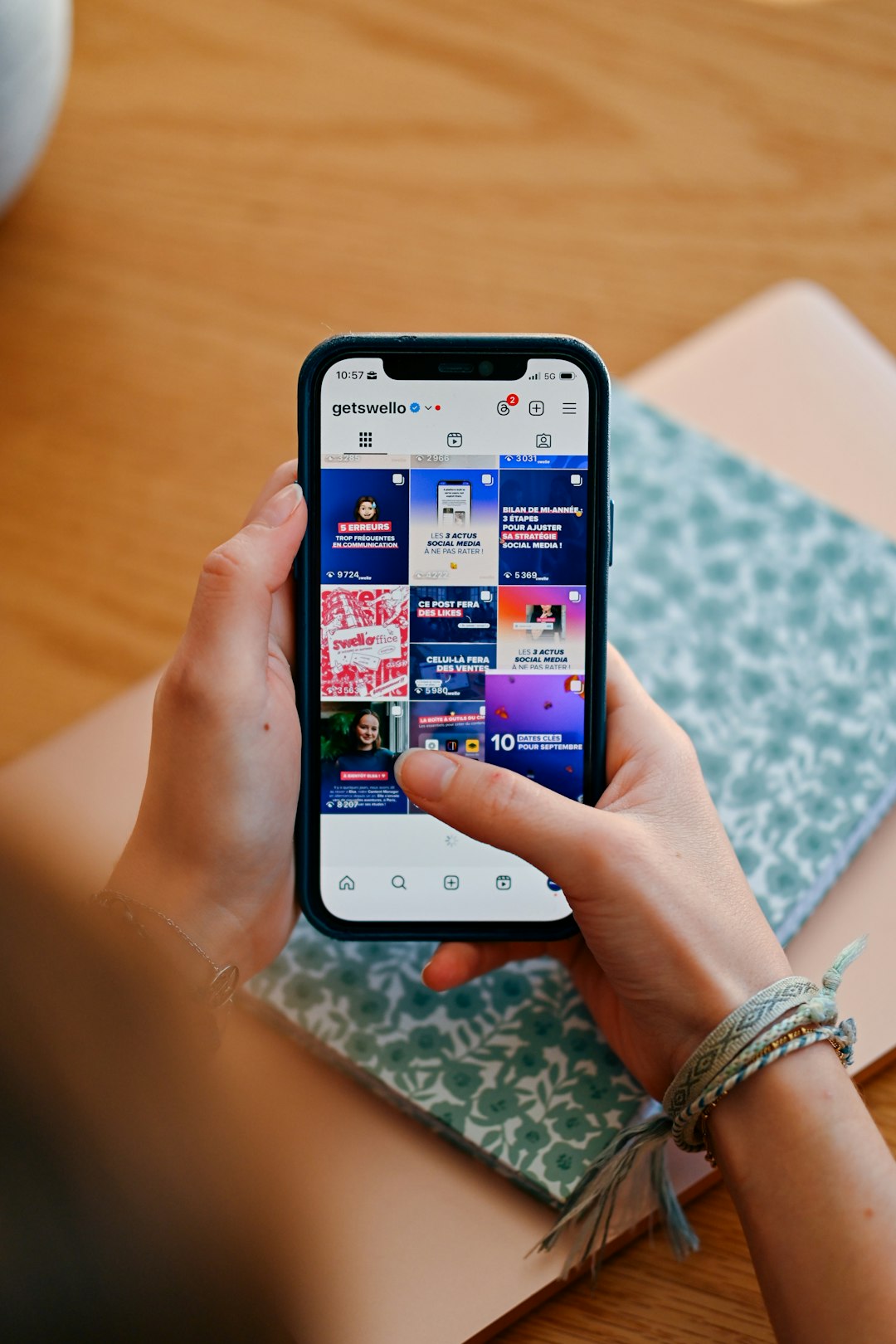
Why Social Media Matters for Modern Communication
Modern communication is no longer limited to one-way messaging. People expect interaction, speed, transparency, and relevance. Social media meets these expectations by allowing organizations and individuals to participate in ongoing conversations instead of simply publishing announcements.
It also gives smaller voices a better chance to be heard. A local business, new creator, or nonprofit campaign can gain attention through useful content, community support, and consistent engagement. This makes social media a valuable tool for both communication and growth, regardless of size or industry.
Best Practices for Using Social Media Effectively
To receive the full benefits of social media, users should approach it with purpose. Random posting may produce limited results, while a thoughtful strategy can create stronger outcomes.
- Define clear goals: Goals may include awareness, sales, education, engagement, recruitment, or community building.
- Understand the audience: Effective communication begins with knowing what the audience needs, values, and expects.
- Post consistently: Consistency helps maintain visibility and keeps audiences engaged over time.
- Use a clear voice: A recognizable tone helps make communication more memorable and trustworthy.
- Encourage conversation: Questions, polls, comments, and direct messages can turn passive viewers into active participants.
- Measure performance: Tracking engagement, reach, clicks, and conversions helps improve future content.
- Stay authentic: Honesty and transparency are essential for building long-term trust.
Conclusion
Social media offers far more than entertainment. It supports faster communication, stronger relationships, broader visibility, better customer service, community development, and measurable growth. When individuals and organizations use it with intention, it becomes a powerful communication channel and a long-term growth asset.
The key is to combine strategy with authenticity. Audiences respond best when communication is useful, timely, human, and consistent. In that way, social media continues to be one of the most valuable tools for connecting people, sharing ideas, and building meaningful progress.
FAQ
1. What is the biggest benefit of social media for communication?
The biggest benefit is instant interaction. Social media allows people and organizations to share updates, receive feedback, and respond to audiences in real time.
2. How does social media help business growth?
Social media helps business growth by increasing visibility, attracting new customers, improving engagement, driving website traffic, and building trust through consistent communication and social proof.
3. Can social media improve customer relationships?
Yes. Social media allows businesses to answer questions, solve problems, thank customers, and create more personal interactions. These actions can strengthen customer loyalty.
4. Is social media useful for personal branding?
Yes. Professionals can use social media to share expertise, showcase achievements, connect with others, and build a reputation in their field.
5. Why is consistency important on social media?
Consistency keeps an account visible and helps audiences know what to expect. Regular, valuable communication can build familiarity and trust over time.
6. What types of content work well on social media?
Helpful posts, short videos, educational tips, behind-the-scenes updates, customer stories, live sessions, infographics, and interactive content often perform well when matched to audience interests.
7. How can organizations use social media during a crisis?
Organizations can use social media to provide timely updates, correct misinformation, explain actions being taken, and reassure the public with clear and transparent communication.
8. Does social media work for small businesses?
Yes. Small businesses can use social media to reach local and wider audiences, promote products or services, build relationships, and compete more effectively with limited marketing budgets.