Weights & Biases Alternatives: 6 MLOps Platforms for Experiment Tracking, Model Evaluation, and Machine Learning Collaboration
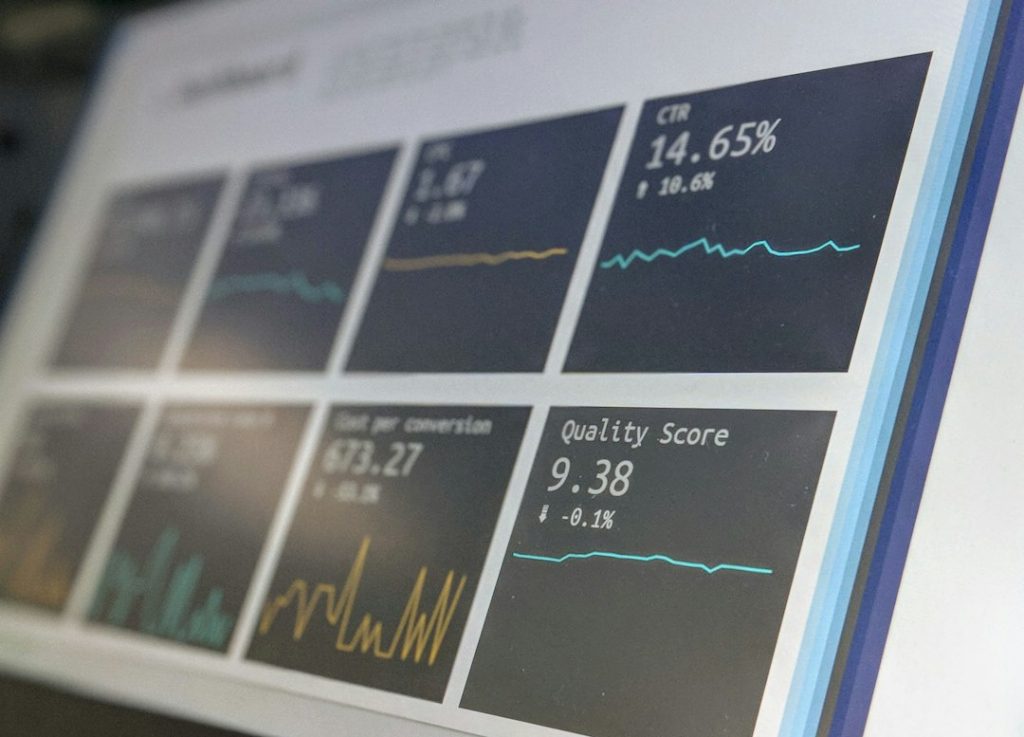
Teams that like Weights & Biases but need a different fit should compare MLflow, Neptune, Comet, ClearML, Aim, and TensorBoard first. These six tools cover the main reasons teams switch: lower cost, self hosting, simpler dashboards, stronger model comparison, or tighter fit with existing cloud systems. Weights & Biases offers experiment tracking, model management, and collaboration features, with public plan details listed on its pricing page [source: W&B].
TLDR: The best alternative depends on team size and workflow. For example, a four person computer vision team running 150 experiments per month may prefer MLflow for open source tracking, while a regulated finance team may pick ClearML for self hosting and pipeline control. Neptune and Comet work well when experiment review and model evaluation need cleaner team views. Aim is a strong low cost choice for heavy metric comparison.
Why teams look for Weights & Biases alternatives
Weights & Biases is popular for a reason. It is polished, fast to start, and strong for remote machine learning teams. Still, not every team wants the same tool. Some teams need local storage. Some want an open source stack. Others just want fewer clicks to compare runs.
Honestly, it feels like some MLOps tools make basic tasks harder than they should be. A data scientist should not need five tabs open just to check which model version had the best F1 score. Good tooling should make experiments easier to trust, not harder to explain.
1. MLflow
Best for: open source experiment tracking and flexible model registry workflows.
MLflow is one of the most common Weights & Biases alternatives. It tracks parameters, metrics, artifacts, and models. It also includes a model registry and deployment support. It fits teams that want control without being tied to a paid vendor.
MLflow is especially useful in companies already using Databricks, Python notebooks, or custom cloud systems. Its open source roots make it easy to test before a full rollout [source: MLflow].
- Pros: open source, widely used, flexible storage options.
- Cons: the interface can feel basic, and setup can take time.
2. Neptune
Best for: clean experiment tracking and strong metadata management.
Neptune is built for teams that run many experiments and need order. It tracks metrics, parameters, images, hardware use, notebooks, and model files. It also has strong filtering, which helps when hundreds of runs start to pile up.
Neptune is a good fit for research teams that care about repeatability. It works well for deep learning, NLP, and computer vision projects where many small changes happen each week.
- Pros: clean UI, good search, strong comparison tools.
- Cons: some teams may still prefer a broader MLOps platform.

3. Comet
Best for: model evaluation, experiment comparison, and team review.
Comet is close to Weights & Biases in spirit. It helps teams track experiments, compare models, review visual outputs, and monitor model behavior. It is often used by teams that want a polished hosted tool but prefer Comet’s review flow and reporting style.
Comet is useful when non-engineers need to inspect results. Product managers, research leads, and applied scientists can review training results without digging through raw logs.
- Pros: strong visuals, good collaboration, useful model evaluation tools.
- Cons: pricing and feature fit should be checked early.
4. ClearML
Best for: self hosted MLOps, pipelines, orchestration, and enterprise control.
ClearML goes beyond basic experiment tracking. It supports data management, pipeline automation, model serving, and remote execution. This makes it a strong choice for teams that want one system for the full machine learning workflow.
It can be self hosted, which matters for healthcare, finance, security, and other teams with strict data rules. The catch is that larger setups need proper DevOps support. Expect to spend time getting storage, agents, and permissions right.
- Pros: broad platform, self hosting, pipeline support.
- Cons: more moving parts than smaller tracking tools.
5. Aim
Best for: fast metric tracking and lightweight local experiment analysis.
Aim is an open source experiment tracker with a simple goal: compare runs quickly. It is useful for teams that do not need heavy platform features but do need clear charts and fast local access.
Aim is often a strong pick for solo researchers, small teams, and labs. It can track many experiments without forcing a big workflow change.
- Pros: open source, simple setup, strong run comparison.
- Cons: fewer enterprise features than hosted platforms.
6. TensorBoard
Best for: TensorFlow users and quick training visualization.
TensorBoard is not a full MLOps platform, but it remains useful. It shows losses, metrics, embeddings, graphs, histograms, and images. For TensorFlow-heavy teams, it may be enough for early research and model debugging.
It is less suited for deeper collaboration, model registry work, or complex experiment governance. Still, it is free, familiar, and easy to add to many training loops.
- Pros: free, simple, excellent for TensorFlow visualization.
- Cons: limited collaboration and model management features.
How to choose the right platform
The best choice depends on the team’s real pain. If cost and control matter most, MLflow or Aim may fit. If clean team review matters, Neptune or Comet may work better. If the team needs pipelines and self hosting, ClearML deserves a close look. If the work is mostly TensorFlow research, TensorBoard may be enough.
Teams should test each platform with one real project. A fake demo will hide problems. A real test with 30 to 50 runs usually shows the truth: setup effort, chart speed, search quality, artifact handling, and how easy it is to explain results to someone else.
FAQ
- What is the best open source alternative to Weights & Biases?
MLflow is usually the safest open source choice. Aim is also strong for lightweight experiment tracking. - Which tool is best for model evaluation?
Comet and Neptune are strong for comparing metrics, visual outputs, and model versions across team projects. - Which option is best for self hosting?
ClearML and MLflow are good choices for teams that need more control over data and infrastructure. - Is TensorBoard enough for MLOps?
Usually not. It is good for visualization, but weak for collaboration, registry workflows, and long term experiment governance. - Should a small team avoid paid MLOps tools?
Not always. A paid tool can save hours each week. The key is to test it against real experiments before signing a longer contract.