How to Write a Professional Invoice With Free Templates and Examples

A professional invoice does more than request payment; it helps a business appear organized, trustworthy, and easy to work with. Whether it is sent by a freelancer, consultant, contractor, or small company, a well written invoice reduces confusion and gives the client everything needed to pay on time.
TLDR: A professional invoice should include the seller’s details, client information, invoice number, payment terms, itemized services, totals, taxes, and accepted payment methods. For example, a web designer billing $1,200 for a landing page could list “Design concept,” “Development,” and “Revisions” as separate line items to make the charge clear. Businesses that use consistent invoice templates often reduce payment delays because clients can quickly verify amounts, due dates, and instructions. A free template can save time while still looking polished and client ready.
What Makes an Invoice Professional?
A professional invoice is clear, accurate, and consistent. It should look like an official business document rather than a casual message. The layout should make the most important details easy to find, especially the amount due, due date, and payment instructions.
The best invoices also match the business’s tone. A creative studio may use a modern visual layout, while an accountant may choose a clean and formal format. In both cases, the goal is the same: the client should understand exactly what was provided, how much is owed, and how to pay.
Essential Elements of a Professional Invoice
Every invoice should include several core details. Missing information can slow down approval, especially when the client has an accounting department or needs to match the invoice with a purchase order.
- Business name and contact details: This includes the sender’s legal or trading name, address, email, phone number, and relevant tax identification number.
- Client information: The invoice should show the client’s name, company, billing address, and contact person if applicable.
- Invoice number: A unique number helps both parties track payments and records. Examples include INV 001, 2025 104, or ACME 032.
- Invoice date: This is the date the invoice is issued.
- Payment due date: Common terms include Due on receipt, Net 7, Net 15, or Net 30.
- Itemized list of products or services: Each line should describe what was delivered, the quantity or hours, the rate, and the subtotal.
- Taxes, discounts, and fees: These should be listed separately so the final amount is transparent.
- Total amount due: This should be bold or visually prominent.
- Payment methods: Bank transfer, credit card, online payment, check, or other accepted methods should be clearly stated.
- Notes or terms: This section can include late fees, refund terms, thank you messages, or project references.
Step by Step: How to Write an Invoice
- Choose a suitable template. A simple free invoice template is often enough for service providers, while product based businesses may need columns for units, shipping, and tax.
- Add business branding. A logo, consistent colors, and a professional font create recognition and trust. The design should remain readable rather than decorative.
- Enter client and invoice details. The invoice number, date, and client billing information should be correct before the invoice is sent.
- Describe the work clearly. Instead of writing “marketing work,” a better line item would be Social media content planning, 10 posts, March campaign.
- Calculate totals carefully. The subtotal, tax, discount, deposit, and balance due should be checked to avoid disputes.
- State payment terms. If the payment is due within 14 days, the invoice should say Payment due by April 15 rather than using vague wording.
- Review and send as a PDF. PDF invoices keep formatting intact and look more official than editable documents.
Free Invoice Template Options
Free invoice templates are available in many formats, and each format suits a different workflow. A business that sends only a few invoices per month may prefer a simple document template. A growing company may benefit from spreadsheet formulas or invoicing software.
- Word or document templates: Best for simple service invoices and easy customization.
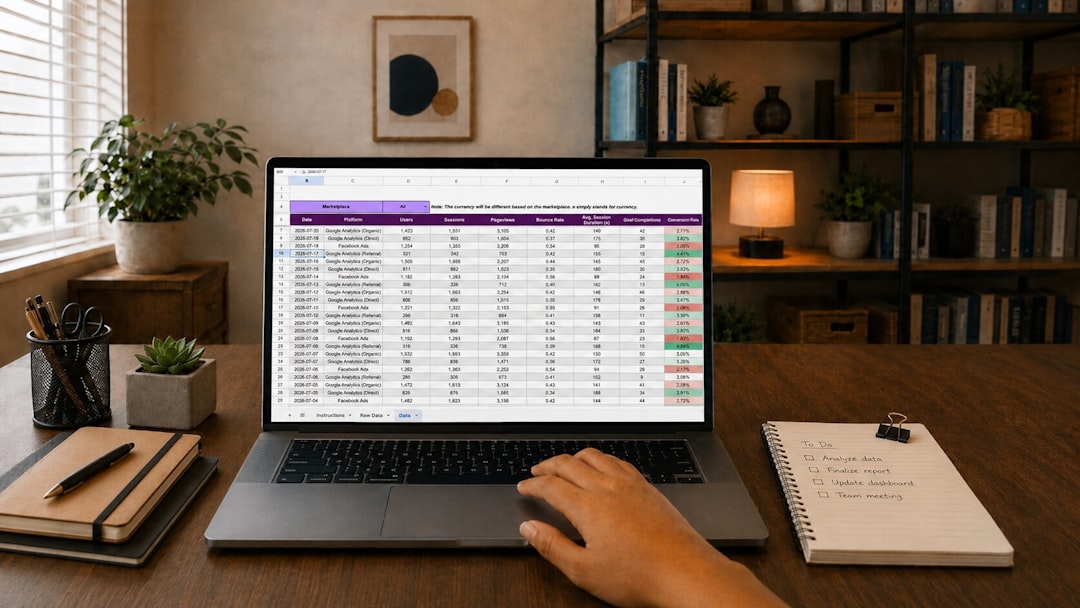
- Spreadsheet templates: Useful when automatic calculations are needed for quantities, rates, taxes, or discounts.
- PDF templates: Good for fixed, clean layouts that do not need much editing.
- Online invoice generators: Helpful for fast invoice creation, automatic numbering, and email delivery.

Professional Invoice Example
The following example shows how a service based invoice can be structured:
| Service | Quantity | Rate | Subtotal |
|---|---|---|---|
| Website homepage design | 1 project | $700 | $700 |
| Mobile layout optimization | 5 hours | $60 | $300 |
| Final revisions | 2 hours | $50 | $100 |
Subtotal: $1,100
Tax: $88
Total Due: $1,188
Payment Terms: Net 15
Payment Method: Bank transfer or credit card
This example works because each charge is specific. The client can see what was completed and why the final amount is due. Clear itemization is especially helpful when projects include multiple tasks, phases, or revision rounds.
Common Mistakes to Avoid
Even a good template can create problems if it is filled out carelessly. The most common mistake is leaving out the due date. Without a due date, clients may not treat the invoice as urgent.
Another mistake is using unclear descriptions. A line item such as consulting may be technically accurate, but it does not explain the value delivered. A stronger description would be Business strategy consultation, 3 hours, quarterly planning session.
Businesses should also avoid inconsistent numbering. Duplicate invoice numbers can confuse payment tracking and bookkeeping. Finally, an invoice should not hide fees or taxes. Any additional charge should be visible before the final total.
Best Practices for Faster Payment
Professional invoices are easier to pay when they remove friction. The payment method should be simple, the due date should be obvious, and the client should know who to contact with questions.
- Send invoices promptly: Invoices sent immediately after delivery are more likely to be paid quickly.
- Use polite payment terms: A short note such as Thank you for the opportunity to work together keeps the tone professional.
- Offer multiple payment methods: Flexible options can reduce delays.
- Follow up professionally: A reminder before or shortly after the due date can prevent overdue balances.
FAQ
What is the difference between an invoice and a receipt?
An invoice requests payment for goods or services, while a receipt confirms that payment has already been made.
Can a free invoice template look professional?
Yes. A free template can look professional if it has a clean layout, accurate details, clear totals, and consistent branding.
What payment terms should an invoice include?
Common terms include Due on receipt, Net 7, Net 15, and Net 30. The best option depends on the business relationship and cash flow needs.
Should an invoice include taxes?
If taxes apply, they should be listed separately and included in the final total. Local tax rules may determine whether tax identification details are required.
What format is best for sending an invoice?
PDF is usually the best format because it preserves the layout and looks professional across devices.