SkyTouch Review: Hotel Management Features, Pricing & Hospitality Software Alternatives

SkyTouch is a cloud-based hotel property management system (PMS) aimed primarily at limited-service, select-service, and mid-market hotel operators that need reliable front-desk, reservation, rate, and reporting tools without maintaining on-premise infrastructure. This review looks at SkyTouch’s core hotel management features, pricing expectations, strengths, limitations, and notable hospitality software alternatives.
TLDR: SkyTouch is a serious PMS option for hotels that want a cloud system with strong reservation management, front-desk workflows, reporting, and multi-property visibility. Pricing is typically not published publicly, so hotels should expect a quote-based model depending on property size, number of rooms, integrations, and support needs. For example, a 90-room limited-service hotel moving from spreadsheets and legacy software could reduce manual front-desk reconciliation time by 20% to 30% if staff adopt the system properly. However, properties needing advanced luxury-resort functionality, deep restaurant POS workflows, or highly customized guest engagement tools may want to compare alternatives before signing.
What Is SkyTouch?
SkyTouch is a hotel PMS designed to centralize daily property operations in the cloud. Its roots are closely associated with hotel operations at scale, which gives the platform credibility among operators looking for a practical system rather than a generic business tool adapted for hospitality.
The software is especially relevant for hotels that need a dependable PMS for reservations, check-ins, check-outs, housekeeping status, rate management, reporting, and distribution connectivity. Because it is cloud-based, authorized users can access the system through a browser, reducing reliance on local servers and simplifying software updates.

Key Hotel Management Features
SkyTouch covers the essential functions expected from a modern hospitality PMS. While the exact package and available integrations may vary, most hotel operators will evaluate the platform around the following capabilities.
1. Reservation and Front-Desk Management
The reservation dashboard is central to the SkyTouch experience. Staff can manage bookings, modify guest details, assign rooms, process arrivals, and handle departures from a single interface. For front-desk teams, this can reduce the number of screens and manual notes needed during peak check-in periods.
Useful front-desk features typically include:
- Guest profile and stay history management
- Room assignment and availability views
- Check-in and check-out workflows
- Reservation search and modifications
- Folio handling and payment-related processes
For properties with high staff turnover, ease of training is an important factor. SkyTouch’s practical workflow structure may help new employees understand routine tasks faster, although every hotel should request a live demo using real scenarios before deciding.
2. Housekeeping and Room Status
SkyTouch allows properties to track room condition and housekeeping progress. This is important because delayed room readiness can directly affect guest satisfaction, especially when arrivals cluster in the afternoon.
Managers can monitor which rooms are clean, dirty, inspected, occupied, or out of service. When used consistently, this visibility can improve coordination between front desk and housekeeping teams. A 120-room hotel, for instance, may gain significant operational value simply by reducing radio calls and manual room-status updates.
3. Rate and Inventory Management
Rate management is another major PMS requirement. SkyTouch supports the handling of room rates, availability, and inventory controls, helping hotels align pricing with demand patterns. While it may not replace a dedicated revenue management system for more sophisticated operators, it provides the operational foundation needed to keep rates and availability organized.
Hotels using online travel agencies, direct booking engines, and corporate negotiated rates should pay close attention to how SkyTouch connects with channel managers and distribution tools. Integration quality is often more important than the PMS feature list itself.
4. Reporting and Multi-Property Visibility
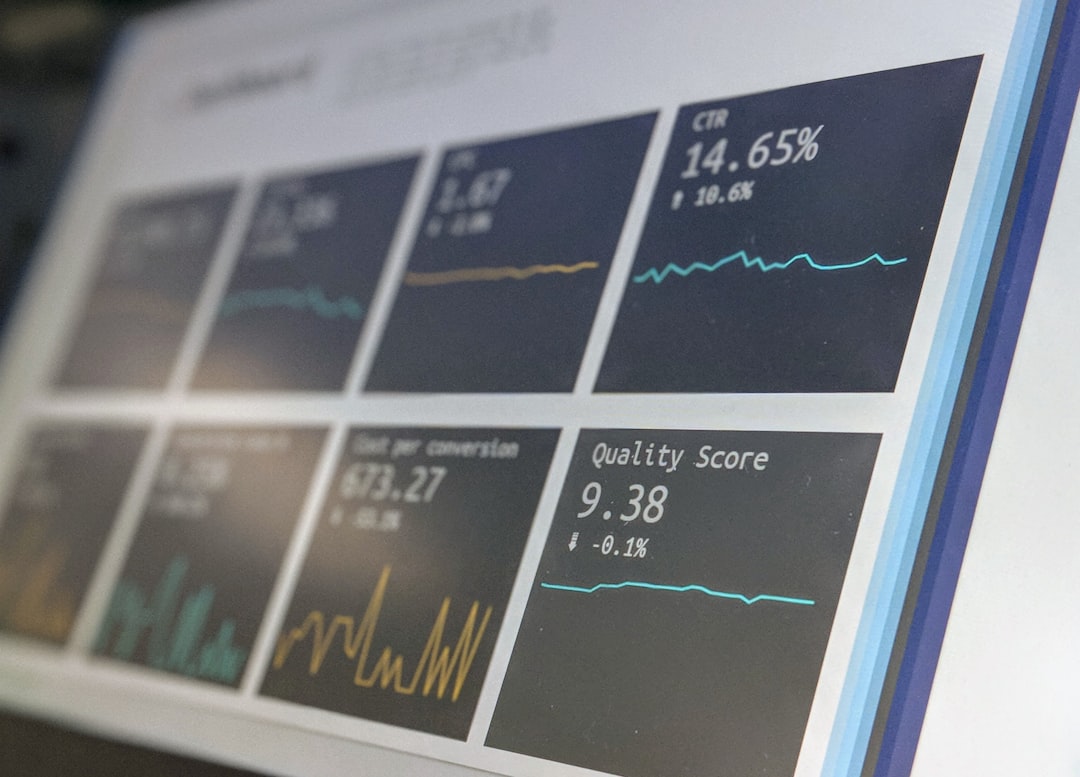
SkyTouch includes reporting tools for reviewing occupancy, revenue, arrivals, departures, and operational performance. These reports help general managers and owners monitor the health of the property.
For hotel groups, centralized visibility can be valuable. Instead of waiting for property-level spreadsheets, leadership can review performance data more consistently. However, operators should confirm whether the reporting depth matches their needs, especially if they require customized owner reports, advanced forecasting, or automated business intelligence dashboards.
SkyTouch Pricing
SkyTouch pricing is generally quote-based, meaning the vendor does not usually provide a simple public price table. This is common in hotel PMS software because costs depend on several variables.
Factors that may influence pricing include:
- Number of rooms
- Single-property versus multi-property deployment
- Required modules and integrations
- Implementation and training needs
- Support level and contract terms
- Payment processing or distribution connections
Hotels should ask for a detailed quote that separates subscription fees, onboarding costs, integration charges, data migration, training, and any support fees. A lower monthly subscription can become less attractive if implementation or third-party connection costs are high.
Practical advice: ask SkyTouch to price the software for your current room count and for a realistic growth scenario. If your 75-room property may become part of a three-hotel portfolio within two years, you need to understand how pricing scales.
Strengths of SkyTouch
SkyTouch’s main strength is its focus on core hotel operations. It is not trying to be every hospitality tool at once; instead, it concentrates on the PMS functions that front-desk teams and managers use every day.
- Cloud-based access: no local server dependency for everyday use.
- Operationally focused: suitable for hotels that prioritize reservations, rooms, and reporting.
- Scalable for groups: useful for operators managing multiple similar properties.
- Industry-specific design: built for hotel workflows rather than generic accommodation management.
Potential Limitations
No PMS is ideal for every property. SkyTouch may be less suitable for hotels that require extensive resort activity scheduling, complex spa and golf operations, or highly customized guest messaging journeys. Boutique luxury hotels may also want richer CRM and personalization features than a standard PMS provides.
Another consideration is integration dependency. If your hotel relies on a specific booking engine, revenue management system, accounting platform, point-of-sale system, or digital key provider, confirm compatibility before committing. Integration gaps can create operational friction and unexpected costs.
Best SkyTouch Alternatives
Hotels should compare at least three PMS options before signing a contract. The right alternative depends on property type, budget, technical resources, and guest-service model.
Cloudbeds
Cloudbeds is widely used by independent hotels, hostels, inns, and small groups. It combines PMS, channel management, booking engine tools, and payment-related capabilities in a broad platform. It is often attractive to properties wanting an all-in-one commercial system with strong distribution features.
Oracle OPERA Cloud
Oracle OPERA Cloud is a major enterprise PMS used by larger hotels, resorts, and global brands. It offers deep functionality and strong ecosystem support, but it can be more complex and costly than mid-market systems. Larger full-service hotels often include it in their shortlist.
Mews
Mews is a modern cloud PMS known for automation, digital guest journeys, and an open integration marketplace. It can be a strong fit for tech-forward hotels that want self-service check-in, flexible payments, and strong connectivity.
RoomRaccoon
RoomRaccoon targets independent hotels and smaller properties with PMS, booking engine, and channel management capabilities. It may appeal to owners who want a simpler commercial stack without enterprise-level complexity.
RMS Cloud
RMS Cloud serves hotels, serviced apartments, RV parks, and mixed accommodation businesses. It is worth considering for operators with more varied property types or non-traditional lodging requirements.
Who Should Consider SkyTouch?
SkyTouch is best suited for hotel operators that want a dependable cloud PMS for core property operations. Limited-service hotels, select-service properties, and small to mid-sized hotel groups may find it particularly relevant. It is also a practical option for teams moving away from older server-based systems and looking for cleaner access, better reporting, and more centralized management.
Before choosing SkyTouch, prepare a requirements checklist. Include reservation workflows, housekeeping needs, payment processes, reporting expectations, distribution channels, training requirements, and must-have integrations. Then ask for a live demonstration based on your own hotel’s daily workflow, not a generic sales presentation.
Final Verdict
SkyTouch is a credible and operationally focused hotel PMS with the core features most properties need to manage reservations, rooms, housekeeping, rates, and reporting. Its quote-based pricing means buyers must evaluate the total cost carefully, including onboarding and integrations. For many mid-market hotels, SkyTouch can be a strong fit, especially when reliability and straightforward hotel operations matter most.
Still, the best PMS decision depends on your property’s size, service model, and technology ecosystem. Compare SkyTouch with alternatives such as Cloudbeds, OPERA Cloud, Mews, RoomRaccoon, and RMS Cloud, and choose the platform that best supports your staff, guests, and long-term growth plans.