The Rise of Agentic AI: 9 Platforms Transforming Business Automation
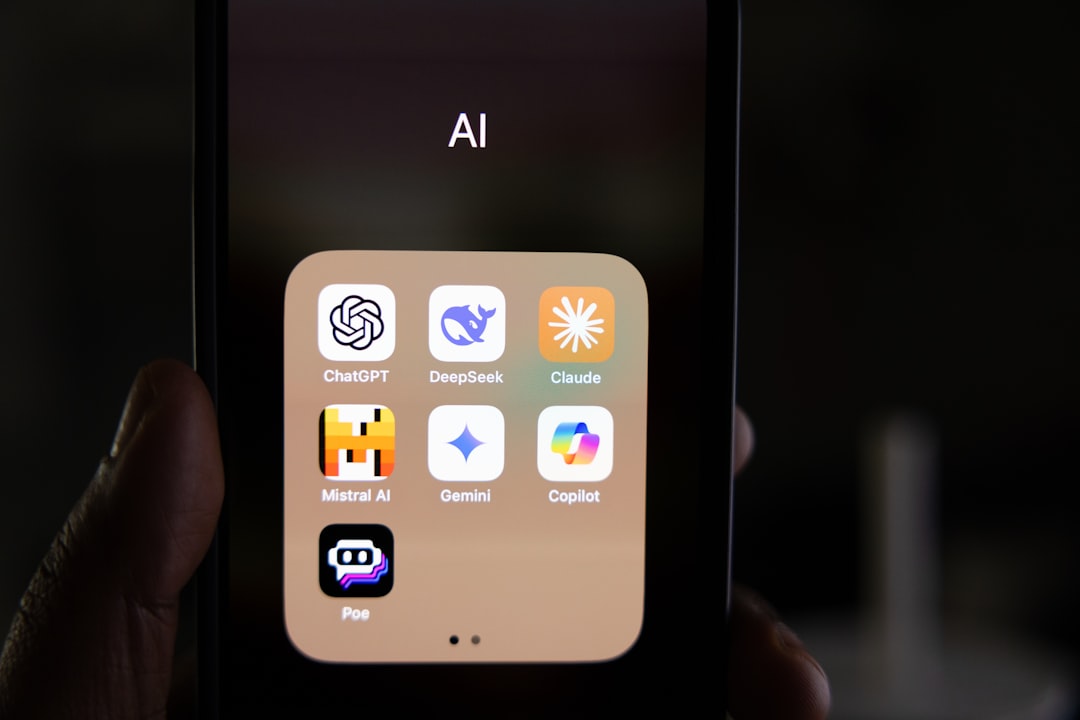
Business automation is entering a new phase. For years, companies used software to automate repetitive tasks: move data from one system to another, send alerts, generate reports, or approve routine requests. Now, agentic AI is pushing automation beyond fixed workflows. These systems can understand goals, plan steps, use tools, ask for clarification, and adapt when conditions change. In short, they are becoming digital coworkers rather than simple bots.
TLDR: Agentic AI platforms are transforming business automation by enabling AI systems to plan, act, and complete multi-step work with less human supervision. Instead of following rigid rules, these platforms combine large language models, enterprise data, integrations, and governance controls. Leading solutions from Microsoft, Google, AWS, Salesforce, IBM, ServiceNow, UiPath, LangChain, and CrewAI are helping businesses automate customer service, operations, sales, IT, finance, and knowledge work. The opportunity is huge, but success depends on careful design, monitoring, and trust.

What Makes Agentic AI Different?
Traditional automation works best when the process is predictable. If invoice data arrives in a specific format, a rule-based bot can extract it and send it to accounting. But business work is often messy. A customer complaint may require checking order history, reading policy documents, drafting a response, escalating to a manager, and updating a CRM. That is where agentic AI stands out.
An AI agent can take a broader instruction, such as “resolve this customer’s billing issue”, and break it into actions. It may search databases, call APIs, write emails, compare options, and decide the next best step. The best platforms also include guardrails, approvals, audit trails, and human handoffs, making them suitable for real business environments.
9 Platforms Leading the Shift
-
1. Microsoft Copilot Studio
Microsoft Copilot Studio is becoming a major hub for building enterprise agents, especially for organizations already using Microsoft 365, Teams, Dynamics, and Power Platform. Businesses can create agents that answer employee questions, automate HR requests, assist sales teams, or connect to internal systems. Its strength is deep integration with familiar workplace tools, making adoption easier for large teams.
-
2. Google Vertex AI Agent Builder
Google’s Vertex AI Agent Builder helps companies create agents grounded in enterprise data, search, and conversational experiences. It is particularly useful for organizations that need powerful information retrieval across documents, websites, and knowledge bases. With Google Cloud’s AI infrastructure behind it, the platform supports scalable, data-rich applications such as customer support assistants, research agents, and internal knowledge navigators.
-
3. Amazon Bedrock Agents
Amazon Bedrock Agents allow businesses to build AI agents that can use foundation models, connect to company data, and trigger actions through APIs. The platform is attractive for teams already operating in AWS because it works with cloud services, databases, and security controls in the Amazon ecosystem. Use cases include order processing, insurance claims, supply chain checks, and automated IT operations.
-
4. Salesforce Agentforce
Salesforce Agentforce brings agentic AI into sales, service, marketing, and commerce workflows. Because Salesforce already holds critical customer data for many companies, AI agents can operate close to the customer relationship. They can qualify leads, summarize opportunities, respond to service cases, recommend next actions, and support agents during live interactions. The business value lies in turning CRM data into active assistance, not just static records.

-
5. IBM watsonx Orchestrate
IBM watsonx Orchestrate focuses on helping employees delegate tasks to AI assistants across departments such as HR, procurement, finance, and operations. IBM emphasizes enterprise-grade governance, security, and workflow orchestration, which matters for regulated industries. Its agents can help schedule meetings, collect approvals, update systems, find information, and coordinate repetitive administrative work.
-
6. ServiceNow AI Agents
ServiceNow has long been associated with IT service management and enterprise workflows. Its AI agents extend that foundation by helping resolve tickets, route requests, summarize incidents, recommend fixes, and automate employee service processes. For companies with complex internal operations, ServiceNow’s advantage is its ability to connect AI directly to structured workflows, service catalogs, and approval chains.
-
7. UiPath
UiPath is well known for robotic process automation, and its move into agentic automation is significant. Many businesses already use UiPath bots to handle rule-based tasks; adding AI agents makes those automations more flexible and intelligent. UiPath can combine document understanding, process mining, human approvals, and software robots to automate work across legacy systems where APIs may be limited or unavailable.
-
8. LangChain and LangGraph
LangChain, along with LangGraph, is popular among developers building custom AI agents. Rather than being a traditional business application, it is a framework for designing agent workflows, tool use, memory, retrieval, and multi-step reasoning. LangGraph is especially useful for creating controlled agent flows with states, branches, and checkpoints. For companies with strong engineering teams, these tools offer flexibility to build highly specific internal automation systems.
-
9. CrewAI
CrewAI is built around the idea of multiple AI agents working together as a team. One agent might research, another might analyze, and another might write or execute a task. This model is appealing for business processes that involve different roles, such as market research, content operations, software planning, or report generation. While multi-agent systems require careful oversight, they point toward a future where AI can coordinate complex workstreams.
Where Businesses Are Seeing Impact
The rise of agentic AI is not just a technology trend; it is a shift in how work is organized. In customer service, agents can resolve common cases faster and provide human representatives with better context. In sales, they can research accounts, draft outreach, and recommend follow-ups. In finance, they can review invoices, flag anomalies, and help prepare reports. In IT, they can diagnose incidents, reset access, and guide troubleshooting.
The biggest gains often come from combining AI agents with existing systems of record. An agent that only chats is useful; an agent that can securely update a ticket, retrieve policy, check inventory, and notify the right person is far more powerful. This is why platforms with strong integrations and governance are gaining traction.

The Risks: Autonomy Needs Accountability
Agentic AI is exciting, but autonomy introduces risk. An AI that can take action may make mistakes faster than a human would. It might misunderstand a request, use outdated data, reveal sensitive information, or trigger the wrong workflow. That is why businesses need clear boundaries: permissions, approval steps, logging, testing, and fallback paths to human experts.
Another challenge is reliability. Large language models can be impressive, but they are not perfect. Successful teams design agents that are grounded in trusted data, limited to specific tasks, and evaluated continuously. The goal is not to replace judgment everywhere, but to automate the right parts of work while keeping people in control.
What Comes Next?
Over the next few years, agentic AI will likely become a standard layer in business software. Instead of opening five applications to complete a task, employees may simply describe the outcome they want. The agent will gather information, suggest a plan, execute approved steps, and report back. This could make organizations faster, leaner, and more responsive.
However, the winners will not be the companies that deploy the most agents the fastest. They will be the ones that redesign processes thoughtfully, train employees, measure outcomes, and build trust. Agentic AI is not magic automation; it is a new operating model for digital work.
As these nine platforms show, the market is moving quickly from simple chatbots to goal-driven AI systems that can participate in real business processes. For leaders, the question is no longer whether agentic AI will affect their operations. The question is which workflows should be transformed first, and how to do it safely, intelligently, and at scale.