Web3 Shopping Website Development Guide for 2026
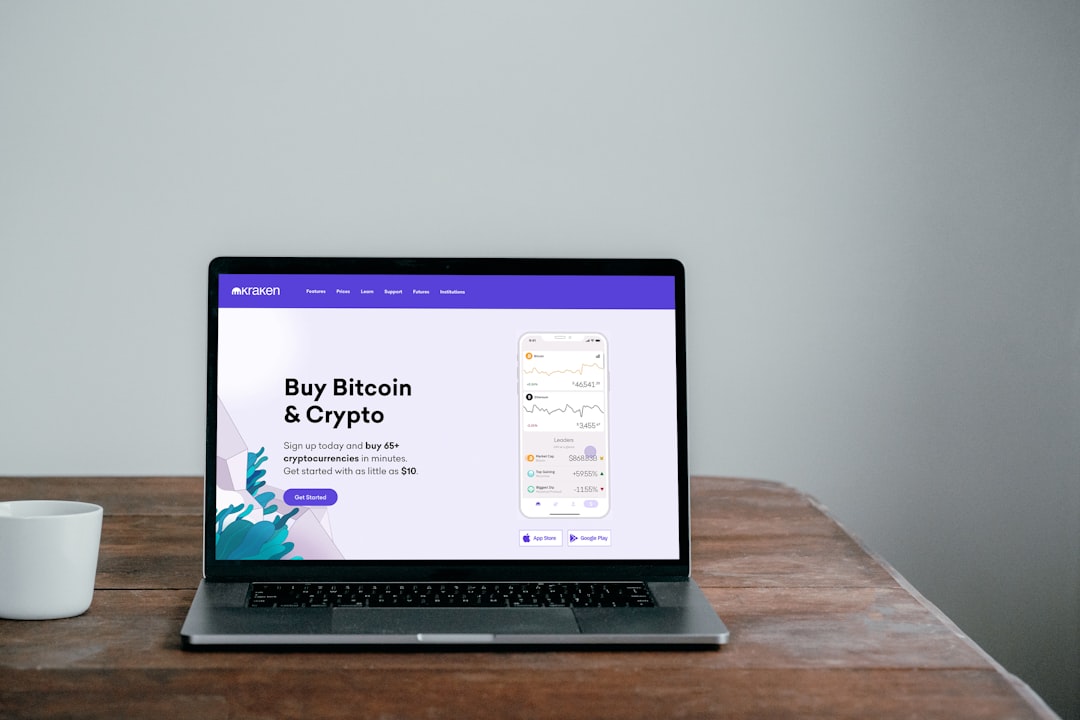
Shopping is getting a glow up. In 2026, online stores are not just carts, coupons, and checkout buttons. They can use wallets, tokens, smart contracts, digital collectibles, and community rewards. That sounds a bit sci fi. But do not worry. A great Web3 shopping website can still feel as easy as buying socks at midnight.
TLDR: A Web3 shopping website in 2026 should be simple, fast, safe, and fun. Use wallets, tokens, and smart contracts only when they make shopping better. Let users pay with crypto, cards, or both. Build trust with clear design, strong security, and easy support.
What Is a Web3 Shopping Website?
A Web3 shopping website is an online store with blockchain features. It may let users connect a crypto wallet. It may reward shoppers with tokens. It may sell digital items, physical products, or both. It may also use smart contracts to prove ownership, manage loyalty points, or handle secure transactions.
But here is the golden rule. Do not make shoppers feel like they need a PhD in crypto. Most users just want to browse, buy, and smile. Web3 should be the helpful engine under the hood. Not a dragon blocking the checkout page.

Start With the Customer, Not the Blockchain
Many Web3 projects make the same mistake. They start with a token. Then they try to build a store around it. That is backwards.
Start with simple questions:
- Who is buying from your store?
- What problem are you solving?
- Why would Web3 make the experience better?
- Can a new user shop without feeling lost?
If blockchain does not improve the experience, skip that feature. A normal coupon may be better than a confusing token. A clear receipt may be better than a fancy NFT badge. Use Web3 like hot sauce. A little can be amazing. Too much can ruin lunch.
Core Features to Build in 2026
A strong Web3 shopping site needs familiar ecommerce features first. Then Web3 extras come next. Think of it like building a pizza. The crust must work before you add truffle oil.
Basic shopping features:
- Clean product pages.
- Fast search and filters.
- Simple cart and checkout.
- Order tracking.
- Customer accounts.
- Refund and return tools.
- Mobile friendly design.
Web3 features:
- Wallet login.
- Crypto payments.
- Token based rewards.
- NFT ownership perks.
- Smart contract receipts.
- On chain product verification.
- DAO style community voting.
Keep these features optional when possible. Let people use an email login too. Let them pay with a card. This is called Web2.5. It mixes normal web shopping with Web3 benefits. It is friendly. It is practical. It also saves many headaches.
Plan the User Journey
Your user journey should feel like a smooth slide, not a puzzle room.
- User lands on the home page.
- User understands what you sell in five seconds.
- User browses products.
- User sees prices in normal currency.
- User can also view crypto prices.
- User adds items to cart.
- User chooses card, wallet, or mixed payment.
- User gets a clear confirmation.
If you use wallet connection, explain it in plain words. Say what the wallet does. Say what it does not do. For example, tell users, “Connecting your wallet does not make a purchase.” This small note can reduce fear.
Choose the Right Tech Stack
The best tech stack depends on your team and budget. Still, a 2026 Web3 shopping website usually needs a few key parts.
- Frontend: React, Next.js, Vue, or Svelte.
- Backend: Node.js, Python, Go, or serverless tools.
- Database: PostgreSQL, MongoDB, or similar.
- Blockchain: Ethereum, Polygon, Solana, Base, Arbitrum, or another network.
- Wallet support: MetaMask, WalletConnect, Coinbase Wallet, and embedded wallets.
- Payments: Crypto payment gateways plus card processors.
- Storage: IPFS or Arweave for digital assets and metadata.
For most stores, choose a chain with low fees and strong developer support. Fast checkout matters. Nobody wants to pay a huge gas fee to buy a hoodie.

Make Wallets Less Scary
Wallets can be confusing. Seed phrases sound like wizard homework. Gas fees sound like a car problem. So your design must do the heavy lifting.
Use clear buttons. Say “Connect Wallet”, not “Initialize decentralized identity layer.” Use tooltips. Use friendly error messages. If a transaction fails, do not say “Error 492.” Say, “This payment did not go through. Please try again or use another method.”
In 2026, embedded wallets are very useful. They let users create wallets with email, social login, or passkeys. This makes onboarding much easier. Advanced users can still connect their own wallets. Everyone wins.
Use Smart Contracts Carefully
Smart contracts are great. They can automate rules. They can prove ownership. They can power loyalty systems. But they can also create risk if written badly.
Use smart contracts for things like:
- Token rewards after purchase.
- NFT access to special products.
- Limited edition digital goods.
- Escrow for high value items.
- Proof of authenticity for luxury products.
Never launch unaudited contracts for real money. Get a security review. Test on testnets. Add limits. Add admin controls only when needed. Be transparent about what your contracts can do.
Design for Trust
Trust is the main currency of Web3 commerce. People worry about scams. They worry about wrong links. They worry about losing funds. Your website must feel safe from the first click.
Use these trust builders:
- Show your company details.
- Use HTTPS.
- Display clear policies.
- Show real support options.
- Label official wallet prompts.
- Explain fees before checkout.
- Show trusted reviews.
Also warn users about fake sites. Add a simple security page. Teach them to check URLs. Short lessons can prevent big problems.
Think About Tokens and Rewards
Tokens can make shopping more exciting. But they should not feel like casino chips. Use them to reward useful actions.
Good reward ideas include:
- Points for purchases.
- Tokens for reviews.
- Badges for loyal customers.
- Early access for holders.
- Community votes on new products.
Keep the rules simple. Tell users how rewards are earned. Tell them how rewards can be used. Avoid wild promises about token prices. That turns your store into a legal cactus. Nobody wants to hug that.
Handle Payments the Smart Way
In 2026, shoppers expect choice. Some want to pay with a credit card. Some want stablecoins. Some want crypto. Some want buy now, pay later. Offer options if your market needs them.
Stablecoins are often useful for Web3 shopping. They avoid wild price swings. A shirt should not cost $30 in the morning and $42 after lunch because the market sneezed.
Always show the final total clearly. Include taxes, shipping, network fees, and discounts. Surprise fees are conversion monsters. They eat sales.
Do Not Forget Compliance
Rules matter. They may not be fun, but they keep your store alive. Check the laws in the regions where you sell. You may need rules for taxes, consumer rights, data privacy, refunds, and digital assets.
If you use tokens, speak with legal experts. If you sell NFTs, explain buyer rights. If you store user data, follow privacy laws. Good compliance is not boring. It is armor.
Test Like a Curious Goblin
Test everything. Test on phones. Test with slow internet. Test failed payments. Test wallet disconnects. Test refunds. Test new users who know nothing about crypto.
Watch where people get stuck. Then fix that spot. A tiny wording change can boost sales. A better button can save support tickets. Simple wins count.
Final Thoughts
A Web3 shopping website in 2026 should not feel like a blockchain lecture. It should feel like a better store. Faster. Safer. More rewarding. More personal.
Build the normal shopping experience first. Then add Web3 features that truly help. Keep the language simple. Keep checkout smooth. Keep security strong. If you do that, your Web3 store can be more than trendy. It can be useful, trusted, and fun to use.