How Can You Find High-Paying Remote Video Editor Jobs?
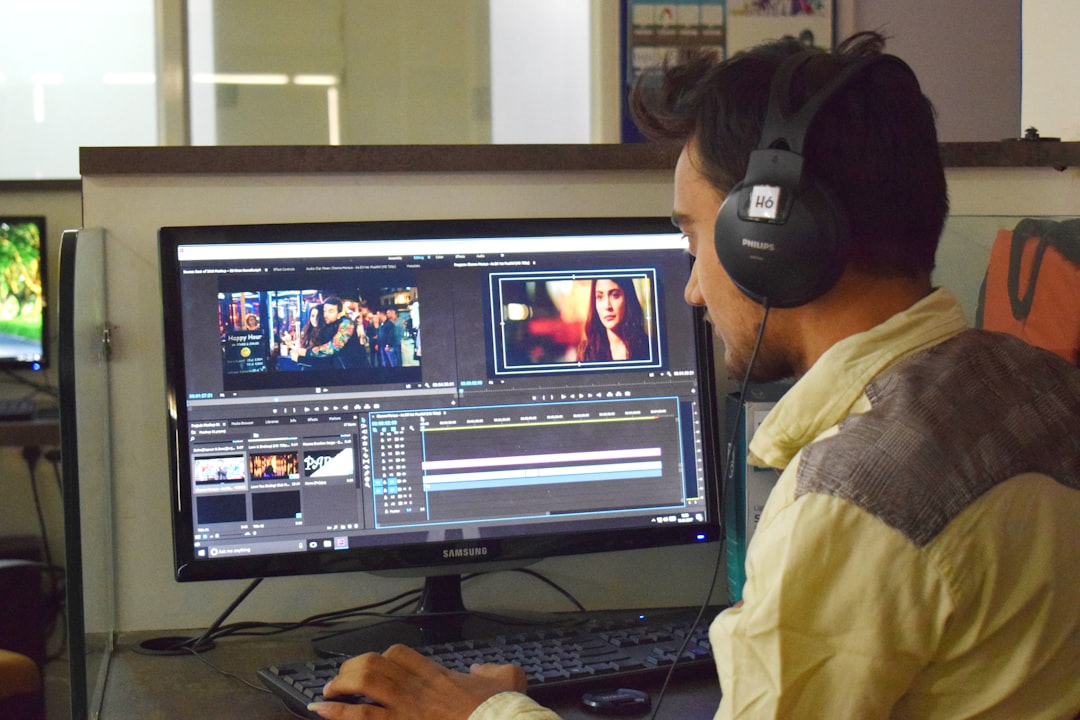
Remote video editing has moved from a niche freelance service to a serious career path with strong earning potential. Brands, creators, agencies, online educators, SaaS companies, podcasters, and production studios all need skilled editors who can turn raw footage into polished, engaging content. For a video editor who wants better pay, the challenge is not simply finding remote jobs, but finding the right opportunities, positioning their skills well, and proving they can deliver measurable value.
TLDR: High-paying remote video editor jobs are usually found by combining a strong portfolio, niche expertise, strategic job searching, and direct outreach. Editors who specialize in areas such as ads, YouTube growth, documentaries, corporate video, or motion graphics often command higher rates. The best candidates show results, communicate professionally, and understand business goals beyond basic cutting. Long-term success comes from building a reputation, improving workflow, and negotiating based on value instead of hours alone.
Understanding What “High-Paying” Means in Remote Video Editing
High-paying remote video editor jobs vary depending on location, industry, experience, and project type. A beginner may consider a steady remote role paying a fair monthly salary to be high-paying, while an experienced editor may aim for premium freelance contracts, retainers, or full-time roles with global companies. In many cases, the highest compensation goes to editors who do more than assemble clips. They understand story pacing, audience retention, branding, sales psychology, and platform-specific editing.
An editor who can improve watch time on YouTube, increase ad conversions, or help a brand look more premium is more valuable than someone who only trims footage. This is why high-paying work is often tied to outcomes. Companies are willing to pay more when an editor can help them gain subscribers, sell products, train employees, or strengthen their reputation.
Building a Portfolio That Attracts Better Clients
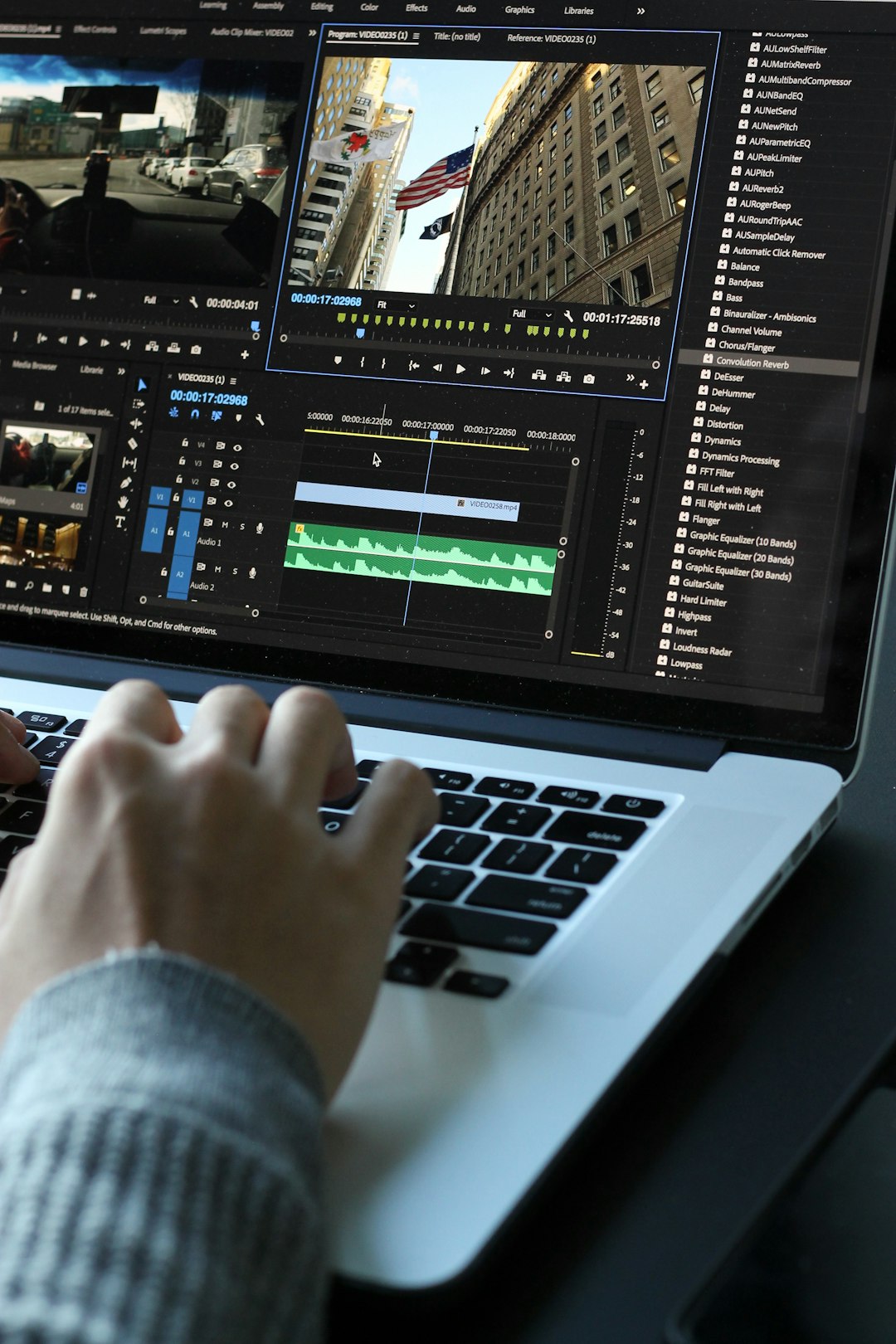
A strong portfolio is one of the most important tools for finding high-paying remote work. It should not be a random collection of past projects. Instead, it should show the type of work the editor wants to be hired for. If the goal is to work with e-commerce brands, the portfolio should include product videos, social ads, testimonials, and short-form promotional content. If the goal is long-form YouTube editing, the portfolio should demonstrate pacing, hooks, retention techniques, b-roll selection, and clean sound design.
A good portfolio usually includes:
- A short showreel that highlights the editor’s best visual work in 60 to 90 seconds.
- Full project samples that show storytelling, continuity, structure, and attention to detail.
- Before-and-after examples that show how raw footage was transformed into a finished product.
- Case studies explaining the client’s goal, the editing approach, and the result.
- Clear niche positioning so clients immediately understand what kind of editor they are viewing.
Case studies are especially powerful. Instead of saying that a video was edited for a client, an editor can explain that the project improved audience retention, supported a product launch, or helped a business create a more professional brand presence. This shifts the conversation from software skills to business impact.
Choosing a Profitable Editing Niche
General video editing can be competitive, especially on large freelance marketplaces. Higher-paying clients often search for specialists. A specialist appears more trustworthy because they understand the format, audience, and goals of a specific type of content. For example, an editor who focuses on podcast clips knows how to identify strong moments, add captions, create vertical formats, and prepare content for multiple platforms.
Profitable remote video editing niches include:
- YouTube editing for creators, educators, entrepreneurs, and media companies.
- Direct-response video ads for e-commerce brands, coaches, and SaaS companies.
- Corporate and training videos for remote teams and internal communications.
- Real estate videos for agents, brokers, developers, and property marketers.
- Online course editing for educators, consultants, and membership businesses.
- Documentary and interview editing for brands, nonprofits, and independent producers.
- Short-form social content for TikTok, Instagram Reels, YouTube Shorts, and LinkedIn.
- Motion graphics and hybrid editing for companies that need animated explainers or branded visuals.
The best niche depends on the editor’s strengths. An editor who loves rhythm, humor, and fast pacing may do well with short-form content. An editor who enjoys structure, clarity, and professional tone may earn well in corporate or educational editing. The ideal niche combines skill, demand, and willingness from clients to pay premium rates.
Where High-Paying Remote Video Editor Jobs Are Found
High-paying opportunities are not limited to public job boards, although job boards can be useful. Many premium roles are found through referrals, private communities, agency relationships, and direct outreach. Editors who rely only on crowded platforms may compete with low-cost applicants from around the world. Editors who build relationships and approach businesses directly often face less competition.
Useful places to search include:
- Remote job boards focused on creative, marketing, media, and startup roles.
- Production company websites that hire remote contractors for overflow editing work.
- Creator economy communities where YouTubers, podcasters, and content teams ask for help.
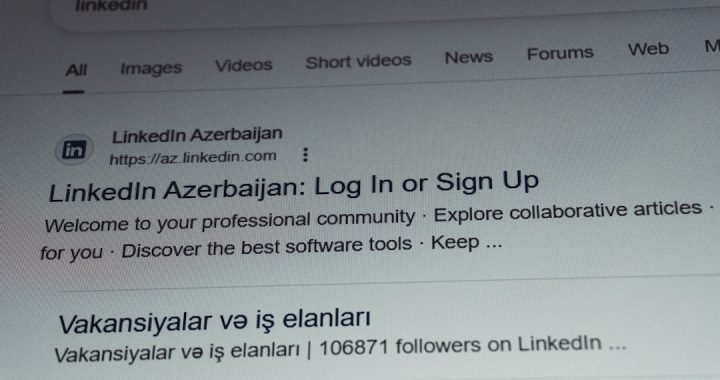
- LinkedIn, especially when searching for roles such as video editor, content editor, post production editor, or motion designer.
- Specialized freelance platforms where clients look for vetted creative professionals.
- Marketing agencies that need editors for social media campaigns, ads, and client content.
- Online business communities where entrepreneurs need recurring video support.
When searching, an editor should use job titles creatively. Some companies do not advertise for a “video editor” specifically. They may post roles for multimedia specialist, content producer, post-production assistant, creative editor, social media video specialist, or video content manager. Searching broadly can reveal better opportunities.

Using Direct Outreach to Find Better-Paying Clients
Direct outreach can be one of the most effective ways to find high-paying remote video editing jobs. Instead of waiting for a client to post a job, an editor identifies businesses or creators that already use video and could benefit from better editing. The key is to avoid generic messages. A thoughtful outreach message should show that the editor understands the prospect’s content and has a specific idea for improvement.
For example, an editor might contact a YouTube channel that has strong content but weak pacing, inconsistent thumbnails, or poor sound design. The message could mention one recent video, identify a clear improvement, and offer a short sample or call. The goal is not to criticize, but to show opportunity. High-paying clients are more likely to respond when they see that the editor has done research.
A strong outreach message usually includes:
- Personalization based on the prospect’s actual content.
- A clear value proposition, such as improving retention, saving time, or creating more content from existing footage.
- Relevant proof, such as a portfolio sample or case study.
- A low-friction next step, such as a short call or a sample edit.
Improving Skills That Command Premium Rates
Technical editing is only the foundation. High-paying remote editors often develop additional skills that help them stand out. They may understand color correction, audio cleanup, motion graphics, storytelling, platform analytics, and content strategy. They also know how to manage files, meet deadlines, and communicate clearly with remote teams.
Premium skills include:
- Storytelling: shaping footage into a clear narrative with emotional flow.
- Retention editing: using pacing, pattern interrupts, b-roll, and structure to keep viewers watching.
- Sound design: improving clarity, atmosphere, and professionalism through music, effects, and audio repair.
- Color grading: creating a consistent and polished visual style.
- Motion graphics: adding titles, callouts, animated transitions, and branded elements.
- Social repurposing: transforming long-form videos into multiple short clips for different platforms.
- Workflow management: organizing assets, backups, revisions, and delivery efficiently.
Editors who can reduce a client’s workload are often paid more. If an editor can take raw files, select highlights, create captions, export multiple formats, and deliver platform-ready content, they become a more valuable partner. The client is not just buying editing; they are buying time, consistency, and confidence.
Presenting Rates and Negotiating Professionally
Many video editors undercharge because they think only in terms of hourly labor. High-paying remote work often requires value-based thinking. If a company uses a video to sell a product, generate leads, train employees, or grow an audience, the video may be worth far more than the number of hours spent editing it.
An editor can charge by the hour, by project, by day rate, or by monthly retainer. For long-term clients, retainers can be especially useful because they provide predictable income and help the client secure regular editing availability. A retainer might include a set number of videos, revisions, short clips, or editing hours each month.
Professional pricing should be clear. The editor should define what is included, how many revisions are allowed, what files will be delivered, and when payment is due. Clear boundaries protect both sides and make the working relationship smoother. High-paying clients usually respect structure because it signals experience.
Creating a Remote-Friendly Work Process
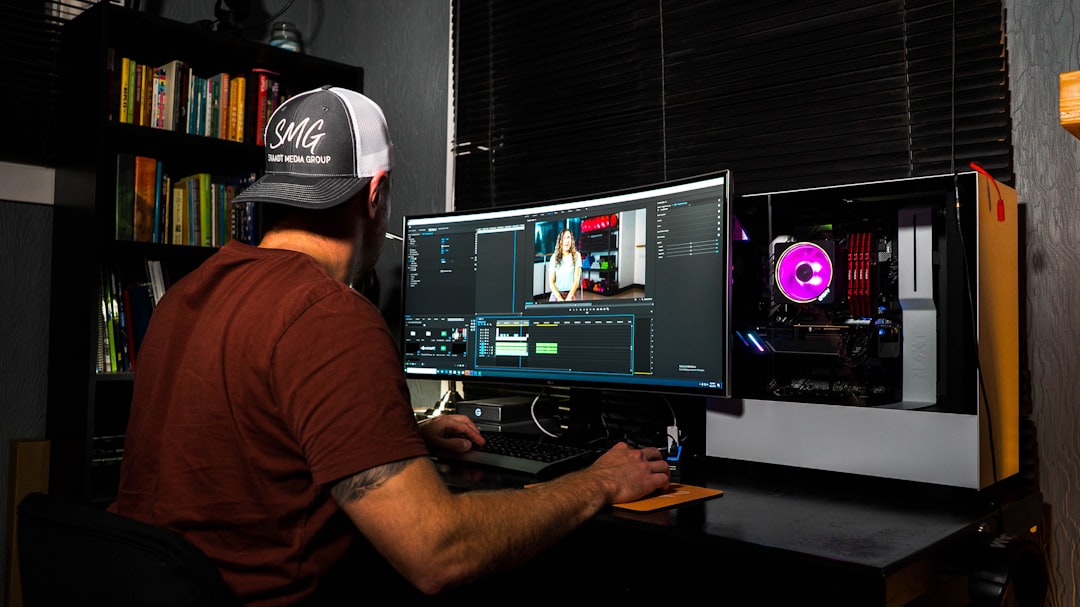
Remote employers and clients want editors who are easy to work with. Talent matters, but reliability often determines whether a client stays. A remote editor should have a repeatable process for receiving footage, confirming the brief, sharing drafts, collecting feedback, and delivering final files.
A professional remote workflow may include:
- Project brief: The editor gathers goals, references, audience details, and delivery requirements.
- Asset organization: Footage, audio, graphics, and brand files are stored clearly.
- First cut: The editor creates the main structure and pacing.
- Review stage: The client gives timestamped feedback.
- Final polish: Color, audio, titles, captions, and exports are completed.
- Delivery: Files are exported in the required formats and archived properly.
Editors who communicate delays early, ask smart questions, and keep projects organized appear more professional. This can lead to repeat work, referrals, and higher rates over time.
Standing Out in Applications
When applying for remote jobs, an editor should avoid sending the same application to every employer. A stronger application is tailored to the company’s content style. It should mention relevant experience, link to specific portfolio pieces, and briefly explain how the editor can help the company’s goals.
A high-quality application might include a short introduction, two or three relevant samples, a note about the editor’s workflow, and a clear reason they are a fit for the role. If possible, the applicant can include a quick observation about the company’s current videos. This demonstrates initiative and makes the application more memorable.
For full-time remote roles, employers may care about collaboration tools, time zone overlap, deadline management, and team communication. For freelance roles, clients may focus more on speed, quality, niche experience, and pricing. In both cases, professionalism is as important as creative talent.
Building Long-Term Career Momentum
Finding high-paying remote video editor jobs is not a one-time task. It is an ongoing process of improving skills, building proof, expanding networks, and refining positioning. The editors who earn the most usually treat their work like a business. They follow up with past clients, request testimonials, update their portfolio, and track which types of projects are most profitable.
Referrals can become a major source of high-paying work. After completing a successful project, an editor can ask whether the client knows another creator, agency, or business that needs similar help. A satisfied client’s recommendation often carries more weight than a cold application.
Over time, an editor may also move into related premium services, such as creative direction, content strategy, post-production management, or building a small editing team. As responsibilities increase, earning potential can grow significantly.
FAQ
How can someone find high-paying remote video editor jobs quickly?
The fastest approach is usually a mix of targeted job applications, direct outreach, and networking. A video editor should focus on clients or companies that already invest in video, then present a portfolio that matches their content needs.
Which video editing niche pays the most?
High-paying niches often include video ads, corporate content, YouTube editing, online course production, and motion graphics. The best niche depends on the editor’s skills, experience, and ability to show business results.
Does a video editor need a degree to get remote work?
A degree is usually not required. Most clients and employers care more about portfolio quality, reliability, communication, and relevant experience.
What should be included in a remote video editing portfolio?
A portfolio should include a short showreel, full project samples, niche-specific examples, and case studies when possible. It should make the editor’s style, strengths, and value clear within a few minutes.
How can an editor charge higher rates?
An editor can charge higher rates by specializing, improving advanced skills, showing measurable results, and presenting services as business value rather than simple labor. Clear pricing, professional contracts, and strong testimonials also support higher fees.
Are freelance or full-time remote video editor jobs better?
Neither option is always better. Freelance work can offer higher upside and flexibility, while full-time remote roles may provide stability and benefits. Many editors choose a hybrid path until they find the right balance.