How 3Shape Software Is Transforming Digital Dentistry Workflows
Digital dentistry has moved from a promising innovation to a practical foundation for modern dental clinics and laboratories. Among the platforms driving that shift, 3Shape software has become a central part of how dental professionals scan, design, communicate, and deliver restorations, orthodontic appliances, implants, and treatment plans with greater speed and accuracy.
TLDR: 3Shape software is transforming digital dentistry by connecting intraoral scanning, CAD design, treatment planning, and lab collaboration into more efficient workflows. It helps dental practices and laboratories reduce manual steps, improve communication, and increase predictability across restorative, orthodontic, and implant cases. By supporting open integrations and visual patient engagement, it allows dental teams to deliver more accurate, streamlined, and patient-friendly care.
The Shift from Traditional Dentistry to Connected Digital Workflows
For decades, dental workflows depended heavily on physical impressions, stone models, manual wax-ups, paper-based communication, and repeated back-and-forth between clinicians and laboratories. While these methods remain familiar, they can introduce delays, inaccuracies, remakes, and patient discomfort. Digital dentistry changes this process by using scanners, software, cloud platforms, and CAD/CAM systems to create a more connected workflow.
3Shape software plays an important role in this transformation because it is designed to link each stage of the dental process. A case can begin with a digital impression, move into design or treatment planning, be shared with a laboratory, and then continue into manufacturing or appliance production. This continuity reduces the need to restart or reinterpret information at every step.
Instead of isolated tools, 3Shape provides an ecosystem where scanners, design modules, patient communication tools, and lab platforms work together. This enables practices and labs to handle cases with more consistency, whether they involve crowns, bridges, aligners, dentures, implants, splints, or full-mouth rehabilitation.
Improving Accuracy with Digital Impressions
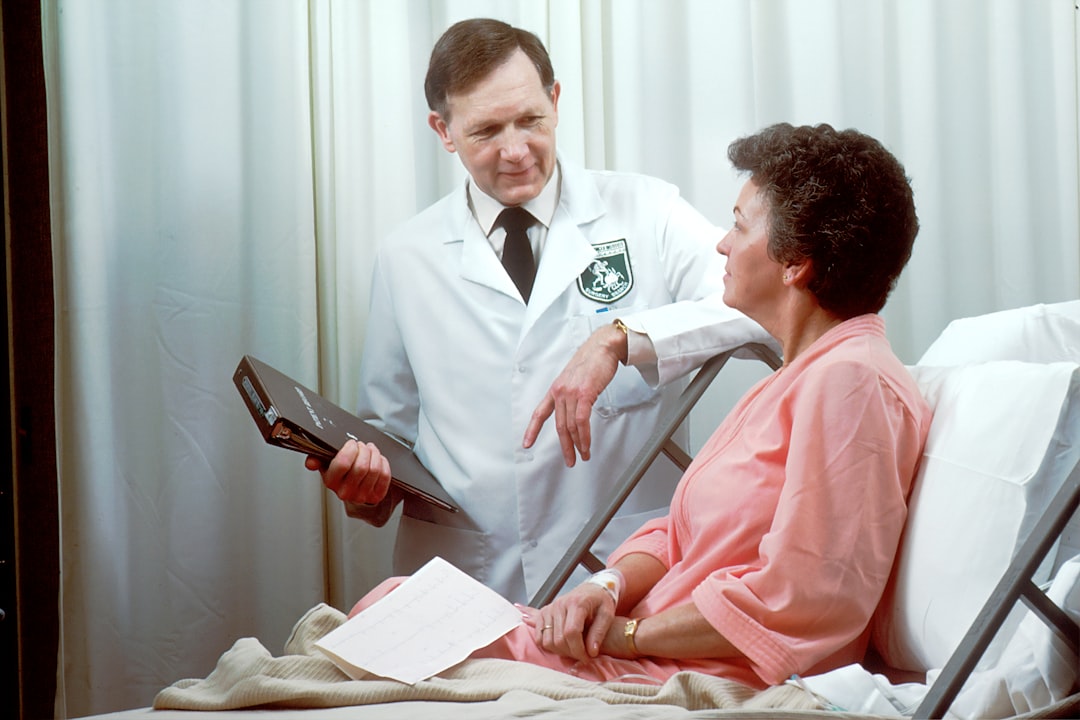
One of the most visible ways 3Shape software is changing dentistry is through digital impressions. Used with TRIOS intraoral scanners, the software allows clinicians to capture detailed 3D images of a patient’s teeth and oral structures. These scans can replace traditional impression materials, which are often uncomfortable for patients and can be affected by voids, distortion, or handling errors.
With real-time scan feedback, dental teams can identify missing areas, evaluate preparation quality, and rescan specific sections before the patient leaves the chair. This helps reduce the chance of incomplete records and makes the restorative process more predictable.
Digital impressions improve workflows by:
- Reducing chair time through faster data capture and fewer retakes.
- Improving patient comfort by avoiding traditional impression trays and materials.
- Increasing case accuracy with detailed 3D models and immediate visual checks.
- Speeding up lab communication because files can be transmitted digitally.
- Supporting same-day dentistry when connected with in-office milling or printing systems.
This shift is especially valuable in restorative dentistry, where the quality of the impression directly affects the fit of crowns, inlays, onlays, veneers, and bridges. By providing precise digital data, 3Shape helps dental professionals reduce remakes and improve clinical outcomes.
Streamlining Restorative Design and CAD/CAM Production
3Shape Dental System and related design tools allow laboratories and clinics to create detailed restorations using CAD workflows. Dental technicians can design crowns, bridges, implant bars, veneers, dentures, and other prosthetics with customized anatomy, occlusion, margins, contacts, and material-specific parameters.
In a traditional workflow, technicians often rely on physical models, wax-ups, and manual adjustments. With 3Shape software, they can work from digital models and use advanced design features to create restorations more efficiently. This does not eliminate the skill of the technician; instead, it enhances it by providing tools that support precision, consistency, and repeatability.
The result is not simply faster production, but a more controlled process from scan to final restoration. Once a design is completed, the file can be sent to milling machines, 3D printers, or production centers. This creates a direct bridge between clinical data and manufacturing, helping laboratories increase productivity while maintaining quality.
Enhancing Collaboration Between Dentists and Laboratories
Dental care is often a team effort. A clinician may gather patient records, while a laboratory technician designs and fabricates the final restoration. Communication between these parties can determine whether a case runs smoothly or requires corrections. 3Shape software improves this communication by allowing dentists and labs to share scans, prescriptions, design previews, images, and case notes in a digital environment.
Instead of shipping physical impressions or waiting for models to arrive, clinicians can send digital files almost instantly. Laboratories can review the scan, identify potential issues, and communicate with the clinic before production begins. This early feedback helps reduce delays and avoid surprises later in the workflow.
For complex cases, such as implant restorations or full-arch rehabilitations, digital collaboration becomes even more valuable. The dentist, technician, surgeon, and other specialists can work from the same digital information, improving alignment across the treatment plan.
Supporting Implant Planning and Guided Surgery
Implant dentistry requires careful planning. The position, angulation, depth, and restorative outcome must all be considered before surgery. 3Shape software supports implant workflows by combining intraoral scans, prosthetic design, and surgical planning data. This allows clinicians and technicians to plan implant cases with the final restoration in mind.
A restoration-driven implant workflow helps ensure that the implant is not only surgically feasible but also prosthetically ideal. When digital scans are combined with CBCT data through compatible workflows, clinicians can evaluate bone anatomy, soft tissue, occlusion, and restorative space more effectively.
In implant workflows, 3Shape software helps with:
- Planning implant positions based on the desired final restoration.
- Designing surgical guides for more controlled implant placement.
- Improving communication between restorative dentists, surgeons, and laboratories.
- Reducing uncertainty in complex implant cases.
- Creating custom abutments and implant-supported restorations.
This digital approach can contribute to more predictable treatment, fewer complications, and a smoother experience for both clinicians and patients.
Transforming Orthodontic and Aligner Workflows
Orthodontics has also been transformed by 3Shape software. Digital scanning makes it possible to capture accurate records without traditional impressions, while orthodontic planning tools allow clinicians to evaluate tooth movement, create digital setups, and communicate expected outcomes.
For clear aligner cases, digital workflows can support treatment planning, staging, model preparation, and appliance production. Clinics and laboratories can work together to create aligners based on accurate 3D data. This improves efficiency and can shorten the time between the initial consultation and the start of treatment.
Another major benefit is patient communication. When patients can see digital simulations or visual representations of treatment possibilities, they may better understand the value of orthodontic care. This visual approach can increase case acceptance because it makes the proposed treatment more tangible.
Increasing Patient Engagement Through Visualization
Modern patients often expect a more transparent and interactive healthcare experience. 3Shape software supports this expectation by allowing dental professionals to show patients scans, treatment simulations, before-and-after visuals, and design concepts on screen.
Visual communication can make dental conditions easier to understand. Instead of describing cracks, wear, crowding, missing teeth, or bite issues with technical language alone, the clinician can show the patient a digital model. This helps patients see what is happening in their own mouths and why treatment may be recommended.
When patients understand their conditions clearly, they are more likely to participate confidently in treatment decisions. This makes digital visualization not only a clinical tool, but also an educational and communication tool.
Reducing Remakes, Delays, and Manual Errors
One of the strongest advantages of a digital workflow is the reduction of errors caused by manual steps. Traditional impressions can distort. Physical models can break. Written prescriptions can be misread. Shipping can delay production. Each manual transfer creates an opportunity for problems.
3Shape software helps minimize these risks by keeping data digital and consistent across the workflow. A scan can be checked before submission. A lab can review the file before design. A restoration can be created according to defined parameters. A case can be stored and referenced later if needed.
This does not mean every case becomes automatic or error-free. Dentistry still depends on clinical judgment, preparation quality, material selection, and technician expertise. However, digital workflows reduce many avoidable problems and make it easier to identify issues earlier in the process.
Open Workflows and Integration Flexibility
Another important reason 3Shape software has influenced digital dentistry is its focus on workflow flexibility. Dental practices and labs often use different scanners, mills, printers, materials, and manufacturing partners. A useful digital platform must be able to connect with a wide range of systems.
3Shape’s open approach allows dental professionals to integrate with many third-party solutions, production centers, and CAD/CAM systems. This flexibility is valuable because it helps practices and labs build workflows that fit their own goals rather than being locked into one narrow path.
Flexible digital integration supports:
- In-house design and production.
- Outsourced laboratory collaboration.
- Hybrid workflows combining clinic and lab responsibilities.
- Multiple restorative material options.
- Scalable growth as practices and labs expand their digital services.
This adaptability makes 3Shape software suitable for small clinics, multi-location practices, boutique dental labs, and large production laboratories.
Changing the Role of the Dental Team
Digital workflows do not simply replace old tools; they change how dental teams work. Dental assistants may become more involved in scanning. Dentists may review digital designs chairside. Technicians may focus more on complex design decisions and less on repetitive manual steps. Treatment coordinators may use visual tools to explain care options.
As 3Shape software becomes part of daily routines, dental teams often develop new skills in scanning strategy, digital case review, CAD design, file management, and patient communication. Training becomes an important part of successful adoption, but once the workflow is established, many teams find that digital systems improve productivity and consistency.
The Future of Digital Dentistry with 3Shape
The evolution of digital dentistry is still continuing. Artificial intelligence, automation, cloud collaboration, 3D printing, and advanced treatment simulation are expected to become even more important. 3Shape software is positioned at the center of many of these developments because it connects clinical data with design and production workflows.
As dental practices and laboratories continue to digitize, the value of integrated software will grow. The most successful workflows will likely be those that combine accurate scanning, intuitive design, efficient communication, predictable manufacturing, and strong patient engagement.
3Shape software is transforming dentistry not by replacing professional expertise, but by giving dental professionals better tools to apply that expertise. It helps turn complex clinical information into usable digital data, supports collaboration across teams, and makes treatment more efficient and understandable. For many dental organizations, it represents a practical path toward faster, more accurate, and more patient-centered care.
FAQ
What is 3Shape software used for in dentistry?
3Shape software is used for digital impressions, CAD restoration design, orthodontic planning, implant workflows, denture design, lab communication, and patient visualization. It helps connect clinical scanning with design and production processes.
How does 3Shape improve dental workflows?
It improves workflows by reducing manual steps, enabling faster digital communication, supporting accurate scans, streamlining design, and helping dental teams identify issues earlier in the process.
Is 3Shape software only for dental laboratories?
No. 3Shape software is used by both dental laboratories and clinical practices. Dentists may use it for scanning, patient communication, treatment planning, and case submission, while labs use it for CAD design and production workflows.
Can 3Shape software help reduce restoration remakes?
Yes. By improving scan accuracy, case review, digital communication, and design consistency, 3Shape software can help reduce the risk of errors that often lead to remakes.
Does 3Shape support implant dentistry?
Yes. 3Shape supports implant workflows by helping dental professionals plan restorations, design surgical guides, create custom abutments, and collaborate across surgical and restorative teams.
Why is patient visualization important in digital dentistry?
Patient visualization helps individuals better understand their oral conditions and proposed treatments. Digital scans and simulations can make explanations clearer, which may improve trust, communication, and treatment acceptance.