iPhone 6s and 6s Plus: A Retrospective Review
The iPhone 6s and iPhone 6s Plus, released in 2015, arrived at a moment when Apple had already proven that larger iPhones were here to stay. Their predecessors, the iPhone 6 and 6 Plus, introduced bigger displays and a thinner, rounded design; the 6s generation refined that formula with stronger materials, faster performance, improved cameras, and a pressure-sensitive display. In hindsight, these devices stand as some of the most durable and influential iPhones Apple ever made.
TLDR: The iPhone 6s and 6s Plus were not dramatic redesigns, but they were major internal upgrades that aged remarkably well. Their A9 chip, 12 megapixel camera, 3D Touch, and stronger aluminum body made them feel more premium and capable than the previous generation. Years later, they remain memorable because they combined classic iPhone features, including the headphone jack and Touch ID, with long software support and dependable everyday performance.
A Familiar Design, Strengthened Where It Mattered
At first glance, the iPhone 6s and 6s Plus looked almost identical to the iPhone 6 series. They kept the rounded aluminum body, curved glass edges, circular home button, and slim side profile. However, Apple made one important change beneath the surface: it used 7000 series aluminum, a stronger alloy intended to address concerns about bending that had surrounded the iPhone 6 Plus.
This improvement gave the phones a sturdier feel. The iPhone 6s measured 4.7 inches, while the iPhone 6s Plus offered a 5.5 inch display. The smaller model remained easier to hold and use with one hand, while the Plus model appealed to users who wanted a larger screen for videos, reading, gaming, and productivity. Both models were slightly thicker and heavier than the iPhone 6 generation, but the added weight made them feel more substantial rather than bulky.
Apple also introduced a new Rose Gold color, which became one of the most recognizable finishes of the era. Alongside Space Gray, Silver, and Gold, it helped the 6s models feel fresh despite their familiar design.
Image not found in postmetaDisplay Quality and the Arrival of 3D Touch
The displays on the iPhone 6s and 6s Plus were not revolutionary by modern standards, but they were excellent for their time. The iPhone 6s featured a 4.7 inch Retina HD display with a resolution of 1334 by 750 pixels, while the iPhone 6s Plus used a sharper 5.5 inch 1920 by 1080 panel. The Plus model had the advantage in pixel density, making text and images slightly crisper.
The headline display feature was 3D Touch. This technology allowed the screen to sense different levels of pressure, enabling shortcuts such as Peek and Pop. A light press could preview an email, message, link, or photo, while a deeper press could open it fully. App icons also gained quick actions, letting users jump directly into features such as taking a selfie, composing a message, or starting navigation.
In practice, 3D Touch was clever and technically impressive, but it never became essential for everyone. Some users loved the speed and subtlety it added, while others forgot it existed. Over time, Apple moved away from pressure-sensitive displays and replaced the concept with long-press gestures. Still, the iPhone 6s generation deserves credit for introducing one of Apple’s more experimental interface ideas.
Performance That Aged Exceptionally Well
One of the strongest parts of the iPhone 6s and 6s Plus was the A9 chip. Paired with 2 GB of RAM, it delivered a significant performance jump over the A8 chip in the iPhone 6. Apps opened faster, multitasking felt smoother, and games ran with better stability. At launch, the difference was noticeable; over time, it became one of the reasons the 6s remained usable for so many years.
The increase to 2 GB of RAM was especially important. Earlier iPhones with 1 GB often had to reload browser tabs and apps more frequently. The iPhone 6s handled background tasks better, making it feel more modern and reliable. This hardware foundation helped Apple provide an unusually long software support window, with the iPhone 6s receiving updates all the way through iOS 15.
For a device released in 2015, that longevity was remarkable. It meant the 6s could remain a daily phone long after many competing Android devices from the same period had lost support. Even when newer iOS versions became more demanding, the phone remained serviceable for calls, messaging, music, web browsing, and light apps.
Camera Improvements and Live Photos
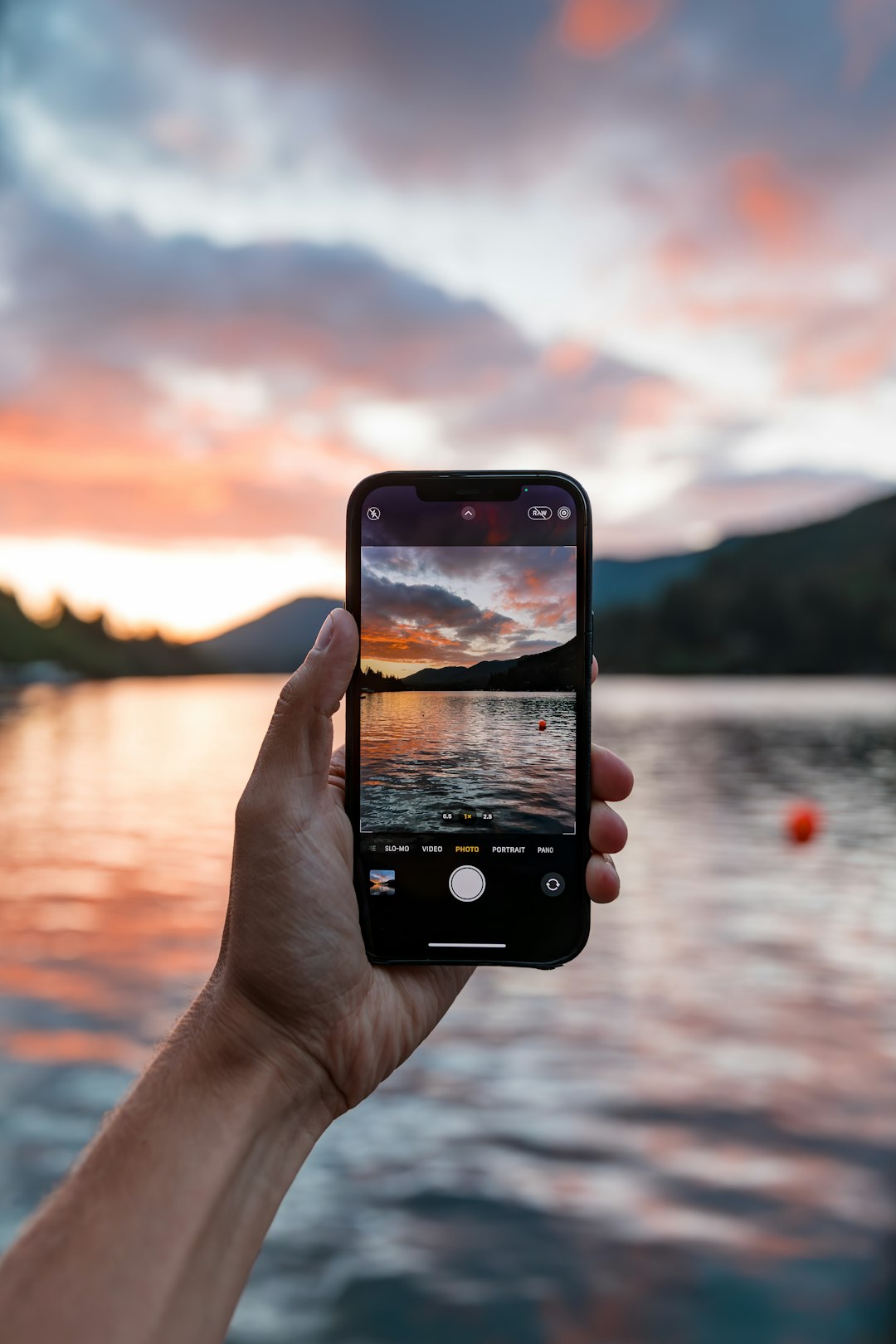
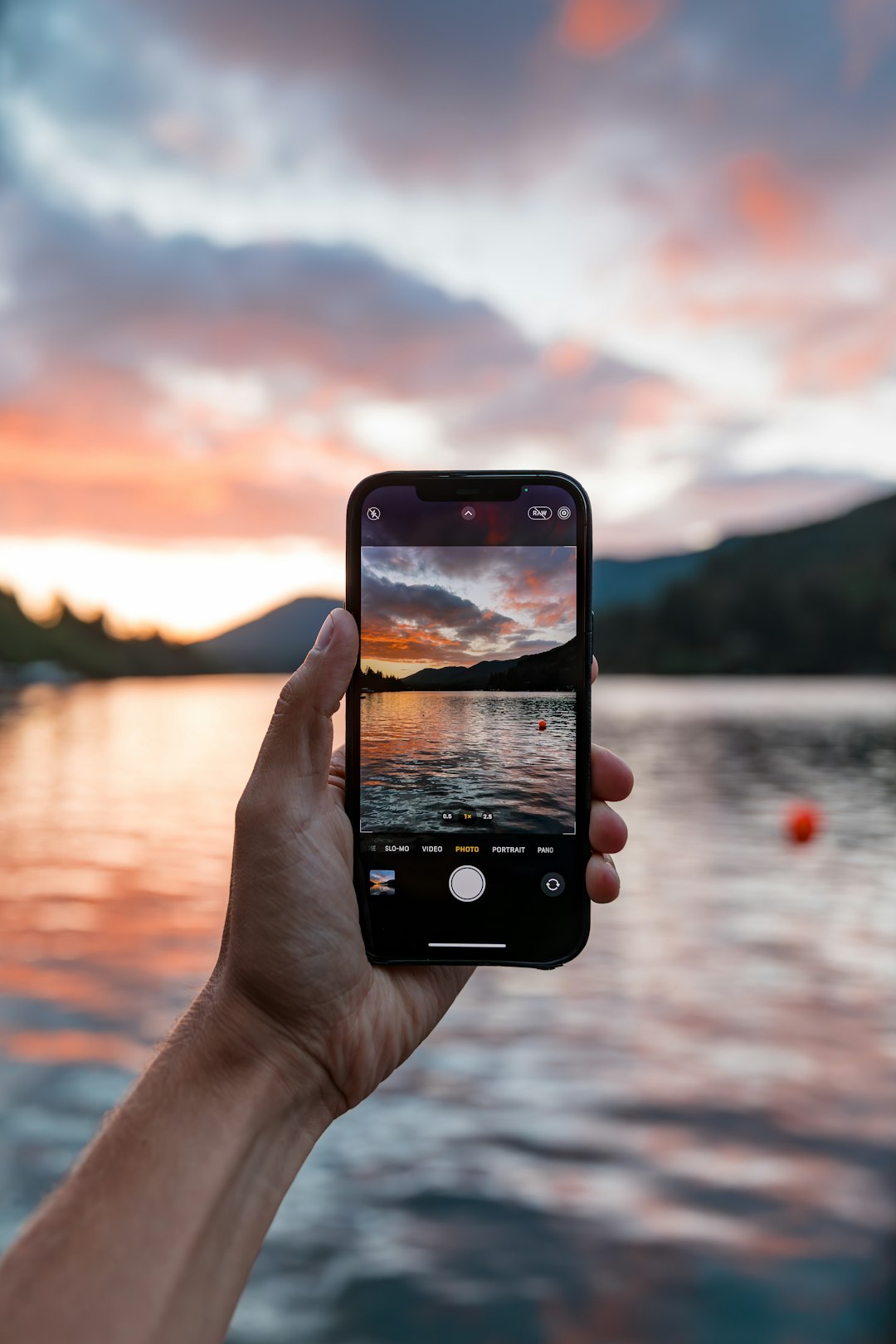
The iPhone 6s generation brought a major rear camera upgrade. Apple moved from an 8 megapixel sensor to a 12 megapixel camera, allowing for more detailed photos and 4K video recording. This was a major step forward for mobile photography at the time, especially for users who wanted higher resolution images without carrying a dedicated camera.
Photos taken in good lighting were sharp, colorful, and balanced. Apple’s image processing continued to favor natural tones rather than overly saturated colors. The iPhone 6s Plus had an added advantage: optical image stabilization for still photos and video, which helped reduce blur and improve low light results. The smaller iPhone 6s lacked optical stabilization, making the Plus model the better choice for photography enthusiasts.
The front camera also improved, moving to 5 megapixels. Apple introduced Retina Flash, which used the display as a flash for selfies. It was a simple but effective feature, especially in dim environments.
Another memorable addition was Live Photos. Instead of capturing only a still image, the phone recorded a brief moment before and after the shot, creating a short animated memory. While Live Photos could use extra storage, they gave ordinary pictures more emotion and context. For families, travelers, and casual photographers, the feature often turned simple snapshots into meaningful keepsakes.
Battery Life and Everyday Use
Battery life was solid but varied between the two models. The iPhone 6s, with its smaller size, delivered acceptable endurance for moderate users but could struggle under heavy use. The iPhone 6s Plus, thanks to its larger battery, was clearly better for those who needed a phone to last through a full day with navigation, streaming, browsing, and messaging.
Neither model supported modern fast charging standards, and both used Apple’s Lightning connector. Wireless charging was also absent, as that feature would not arrive until the iPhone 8 and iPhone X. However, the phones charged reliably and, when their batteries were healthy, provided a dependable daily experience.
Over the years, battery aging became one of the most common issues for the iPhone 6s series. Apple’s later battery replacement programs and iOS battery health tools helped extend the useful life of many units. A 6s with a fresh battery could still feel surprisingly capable long after its release.
Touch ID, Headphone Jack, and Classic iPhone Features
The iPhone 6s and 6s Plus represent the end of a particular iPhone era. They included a fast and accurate second generation Touch ID sensor, which unlocked the phone quickly and supported Apple Pay. For many users, this version of Touch ID was one of the best biometric systems Apple had produced.
They also retained the 3.5 mm headphone jack. This detail became more important in retrospect because Apple removed the headphone jack from the iPhone 7 the following year. As a result, the iPhone 6s became one of the last models to offer both modern iOS performance and traditional wired audio without an adapter.
Other familiar features included the physical mute switch, Lightning port, home button navigation, and compact overall feel. In today’s world of large edge-to-edge displays and gesture controls, the 6s feels distinctly classic. That is part of its charm.
Software Support and Longevity
Perhaps the greatest legacy of the iPhone 6s and 6s Plus is their long software life. Launching with iOS 9 and supporting updates through iOS 15, they received around six years of major iOS updates. This level of support was exceptional and helped shape consumer expectations for premium smartphones.
Newer software brought features such as improved notifications, redesigned widgets, stronger privacy settings, and enhanced app compatibility. Although performance naturally slowed compared with newer iPhones, the 6s remained functional for essential tasks. Its longevity demonstrated the value of strong hardware and consistent software optimization.
Weaknesses and Limitations
Despite its strengths, the iPhone 6s series had limitations. The base storage option was originally 16 GB, which quickly became inadequate for apps, photos, videos, and system updates. Users who bought 64 GB or 128 GB models had a much better long-term experience.
The design also had large bezels by modern standards. The LCD displays were good, but they lacked the contrast and deep blacks of later OLED iPhones. Low light photography was acceptable but not comparable to Night Mode on newer models. Water resistance was also not officially rated, making the phones more vulnerable to spills and accidents than later iPhones.
Additionally, while 3D Touch was innovative, its inconsistent use across apps limited its impact. It was a feature with real potential, but it never became central to the iPhone experience.
Retrospective Verdict
Looking back, the iPhone 6s and 6s Plus were among Apple’s most important “S” upgrades. They did not change the visual identity of the iPhone, but they improved nearly everything that affected daily use. The stronger body, faster processor, better cameras, improved Touch ID, and long software support made them far more than minor refreshes.
The iPhone 6s Plus was the better choice for users who valued battery life, screen size, and camera stabilization. The iPhone 6s, meanwhile, offered much of the same power in a more compact and pocketable form. Both models captured a balance that many users still remember fondly: modern enough to feel powerful, traditional enough to feel familiar.
In retrospect, the iPhone 6s generation deserves its reputation as one of Apple’s most durable and well-rounded releases. It marked the peak of the home-button iPhone before the industry moved toward wireless audio, facial recognition, OLED displays, and all-screen designs. For many, it was not just another iPhone; it was the iPhone that lasted.
FAQ
- When were the iPhone 6s and 6s Plus released?
- The iPhone 6s and iPhone 6s Plus were released in September 2015.
- What was the biggest upgrade over the iPhone 6?
- The biggest upgrades were the faster A9 chip, 2 GB of RAM, stronger aluminum body, 12 megapixel rear camera, 4K video recording, and 3D Touch display technology.
- Did the iPhone 6s have a headphone jack?
- Yes. The iPhone 6s and 6s Plus both included a 3.5 mm headphone jack, making them among the last iPhones to support wired headphones without an adapter.
- Which model had better battery life?
- The iPhone 6s Plus had better battery life because it included a larger battery. It was generally the better option for heavy users.
- Did both models have optical image stabilization?
- No. Optical image stabilization was available on the iPhone 6s Plus, while the smaller iPhone 6s did not include it.
- How long did Apple support the iPhone 6s?
- The iPhone 6s launched with iOS 9 and supported major updates through iOS 15, giving it an unusually long software support lifespan.
- Is the iPhone 6s still usable today?
- It can still handle basic tasks such as calls, texts, music, and light browsing, especially with a healthy battery. However, it lacks modern features such as 5G, advanced cameras, OLED display technology, and current iOS support.