Ocula.tech Dashboards: Features That Drive Better Decisions
Modern organizations do not suffer from a shortage of data. They suffer from fragmented data, delayed reporting, unclear priorities, and decisions made without a shared view of performance. Ocula.tech dashboards are valuable because they turn activity, performance, and operational signals into structured information that teams can use with confidence. When dashboards are designed well, they reduce uncertainty, expose opportunities, and help leaders decide what to do next with greater discipline.
TLDR: Ocula.tech dashboards support better decision-making by bringing important business data into clear, actionable views. They help teams monitor performance, identify risks, compare trends, and respond faster to changing conditions. The strongest dashboards combine reliable data, focused metrics, flexible analysis, and practical visual design so that decision-makers can move from observation to action without unnecessary delay.
Why Dashboards Matter for Serious Decision-Making
A dashboard is not simply a collection of charts. In a business context, it is a decision interface. It should help users answer critical questions quickly: What is performing well? What is under pressure? Where should resources be allocated? Which activity needs attention now, and which can wait?
Ocula.tech dashboards are most effective when they support these questions directly. Instead of overwhelming users with every available metric, they focus attention on the indicators that matter most. This is especially important for leadership teams, commercial teams, operations managers, analysts, and anyone responsible for making timely decisions based on reliable evidence.
Centralized Performance Visibility
One of the most important features of an effective dashboard is centralized visibility. Many businesses operate with data scattered across platforms, departments, spreadsheets, and reporting tools. This creates inconsistencies and slows down decision-making. When teams rely on different numbers, discussions often become debates about data accuracy rather than performance improvement.
Ocula.tech dashboards can help resolve this by presenting key information in one structured environment. A centralized view allows users to monitor business health without repeatedly switching between systems. This supports faster alignment and makes performance conversations more productive.
Centralized dashboards are particularly useful for tracking:
- Sales and revenue performance across products, categories, campaigns, or regions.
- Customer behavior, including engagement, conversion, retention, and purchasing patterns.
- Operational efficiency, such as process bottlenecks, fulfillment indicators, or resource usage.
- Marketing effectiveness, including campaign impact, traffic sources, and cost efficiency.
- Financial indicators, such as margin, profitability, cost movement, and budget performance.
When these indicators are available in a consistent format, leaders can act with more confidence and less delay.
Clear KPI Tracking and Metric Prioritization
Good dashboards separate important signals from background noise. This is where key performance indicators, or KPIs, become essential. A serious dashboard does not treat every number as equally important. It highlights the metrics that directly relate to business objectives.
Ocula.tech dashboards can support decision quality by making KPIs visible, measurable, and comparable over time. For example, a decision-maker may need to know whether conversion rates are improving, whether average order value is declining, or whether customer acquisition costs are becoming unsustainable. These metrics are meaningful because they connect directly to business outcomes.
Strong KPI tracking usually includes:
- Current value, showing where performance stands now.
- Historical comparison, showing whether performance is improving or weakening.
- Targets or benchmarks, showing whether performance is acceptable.
- Contextual breakdowns, showing which segments, channels, or products explain the result.
This structure helps teams move beyond surface-level reporting. Instead of asking, “What happened?” they can ask, “Why did it happen, and what should we do about it?”
Real-Time and Near Real-Time Monitoring
In fast-moving environments, reports that arrive too late can limit their usefulness. While not every decision requires real-time data, many operational and commercial decisions benefit from timely visibility. Ocula.tech dashboards can help teams monitor changes as they occur or close to when they occur, depending on the available data sources and configuration.
This matters because early detection often creates better options. A sudden drop in traffic, a spike in demand, a campaign overspend, or an unexpected change in customer behavior may require immediate attention. If the issue is discovered days later, the business may have already lost revenue, wasted budget, or missed an opportunity.
Timely dashboard monitoring is especially useful for:
- Identifying unusual performance changes before they become larger problems.
- Supporting daily management meetings with current information.
- Helping teams respond quickly to market, campaign, or inventory changes.
- Reducing dependence on manually prepared reports.
A dashboard that updates reliably provides a more accurate view of the present, which is often the foundation for better near-term decisions.
Drill-Down Analysis for Understanding Root Causes
High-level metrics are useful for orientation, but they rarely explain everything. A revenue decline may be caused by lower traffic, weaker conversion, reduced basket size, product availability issues, pricing changes, or channel mix. Without the ability to investigate, decision-makers risk taking action based on assumptions.
This is why drill-down functionality is a critical feature. Ocula.tech dashboards should allow users to move from summary indicators into more detailed views. A leader may begin with total sales performance, then examine performance by product category, customer segment, geography, campaign, device type, or time period.

Drill-down analysis supports better decisions because it helps users identify the specific drivers behind a result. Rather than applying broad, inefficient fixes, teams can target the real issue. For example, if total conversion appears weak but the problem is concentrated in one traffic source or product category, the response can be more precise and cost-effective.
Trend Visualization and Historical Context
A single number can be misleading without context. A metric may look strong compared with yesterday but weak compared with the same period last year. It may be above target but trending downward. It may appear stable at the aggregate level while important segments are changing underneath.
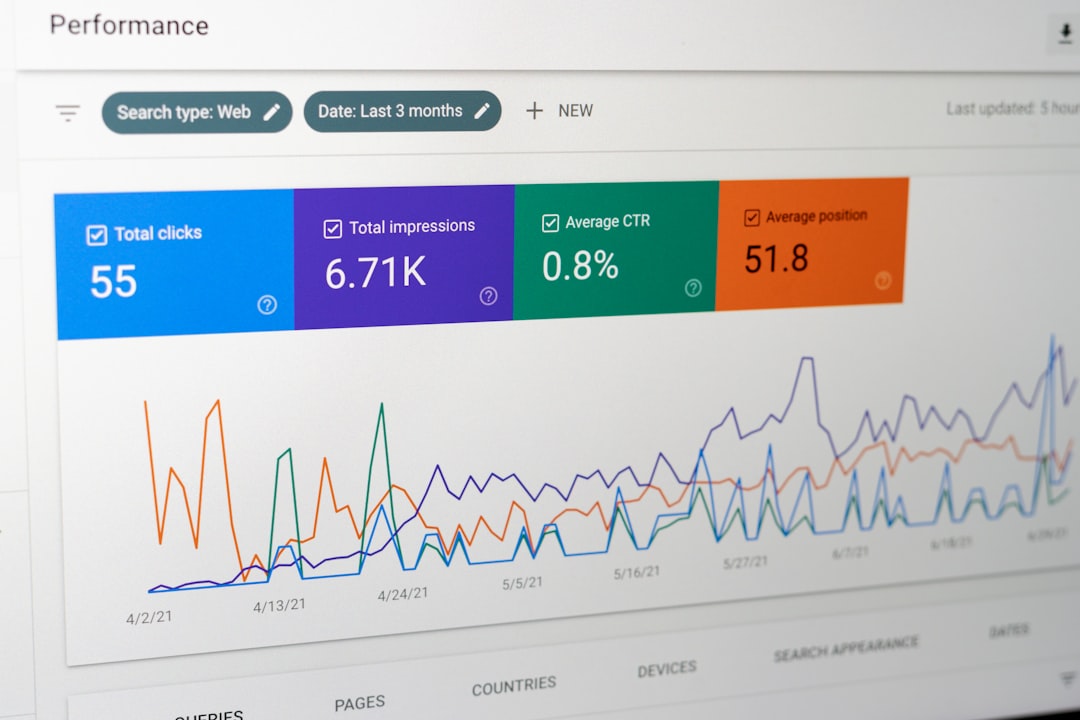
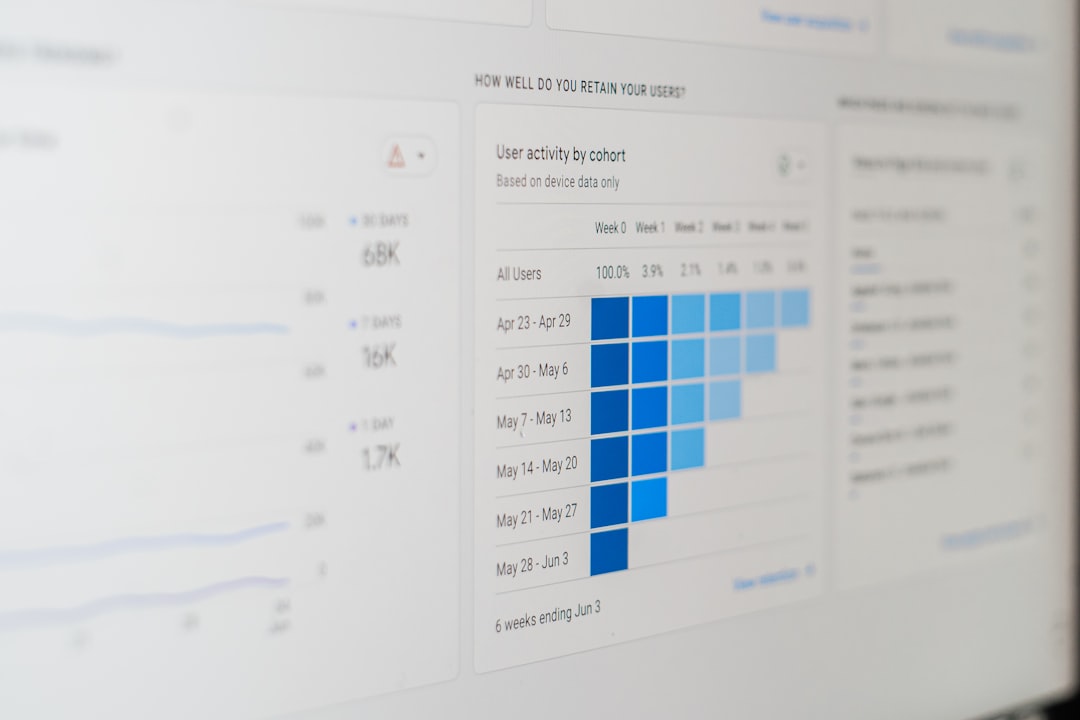
Ocula.tech dashboards should provide clear trend visualization so decision-makers can interpret performance over time. Line charts, bar charts, cohort views, and comparison tables can all help reveal direction, seasonality, volatility, and momentum.
Historical context is essential for serious decision-making because it reduces the risk of overreacting to short-term fluctuations. It also helps teams distinguish between temporary variation and meaningful change. A well-structured dashboard makes it easier to see whether performance is part of a normal pattern or whether it requires intervention.
Custom Views for Different Roles
Different users need different levels of detail. A chief executive may need a concise overview of business health. A marketing manager may need campaign-level performance. A finance leader may focus on margin, cost, and profitability. An operations team may require process indicators and exception alerts.
Ocula.tech dashboards are more useful when they support custom views tailored to user roles. This does not mean creating disconnected reporting environments. It means presenting the same reliable data in ways that match each team’s responsibilities.
Role-based dashboards improve effectiveness by:
- Reducing clutter for senior users who need strategic indicators.
- Providing detail for analysts and managers who need to investigate performance.
- Improving accountability by aligning metrics with ownership.
- Supporting faster action because each user sees information relevant to their decisions.
This approach makes dashboards more practical and increases adoption across the organization.
Alerts and Exception Reporting
Decision-makers should not have to manually inspect every metric every hour. A mature dashboard environment should help users focus attention where it is needed most. Alerts and exception reporting can notify teams when metrics move outside expected ranges, when targets are missed, or when unusual activity occurs.
For example, alerts may be useful when revenue falls below forecast, when customer complaints increase, when conversion drops sharply, or when campaign costs exceed a defined threshold. The value of alerts lies in their ability to shorten the time between problem detection and response.
However, alerts must be carefully configured. Too many notifications can create noise and reduce trust. The best approach is to define meaningful thresholds, prioritize material issues, and ensure that alerts are connected to clear ownership. A serious dashboard should encourage action, not anxiety.
Data Quality, Governance, and Trust
No dashboard can drive better decisions if users do not trust the data behind it. Trust depends on data quality, consistent definitions, transparent calculations, and responsible governance. Ocula.tech dashboards should be supported by clear metric definitions and reliable data flows so that users understand what they are looking at.
This is particularly important when metrics influence strategic decisions, budgets, staffing, pricing, or performance evaluation. If two teams define the same metric differently, decisions may become inconsistent. If data is outdated or incomplete, users may draw the wrong conclusions.
Trustworthy dashboards should include:
- Consistent metric definitions across teams and reports.
- Clear data sources so users know where information comes from.
- Update timestamps to show when data was last refreshed.
- Access controls to protect sensitive information.
- Quality checks to reduce errors and inconsistencies.
When governance is strong, dashboards become a dependable basis for decision-making rather than just another reporting layer.
Usable Design and Readable Visuals
Visual design is not cosmetic. It directly affects how quickly and accurately users interpret information. A dashboard with poor layout, unclear labels, excessive colors, or overloaded charts can hide important insights. A well-designed dashboard guides attention and makes interpretation easier.
Ocula.tech dashboards should use visual hierarchy, consistent formatting, and clear labels to support comprehension. Important indicators should be prominent. Related metrics should be grouped together. Charts should be chosen based on the question they answer, not simply for visual appeal.
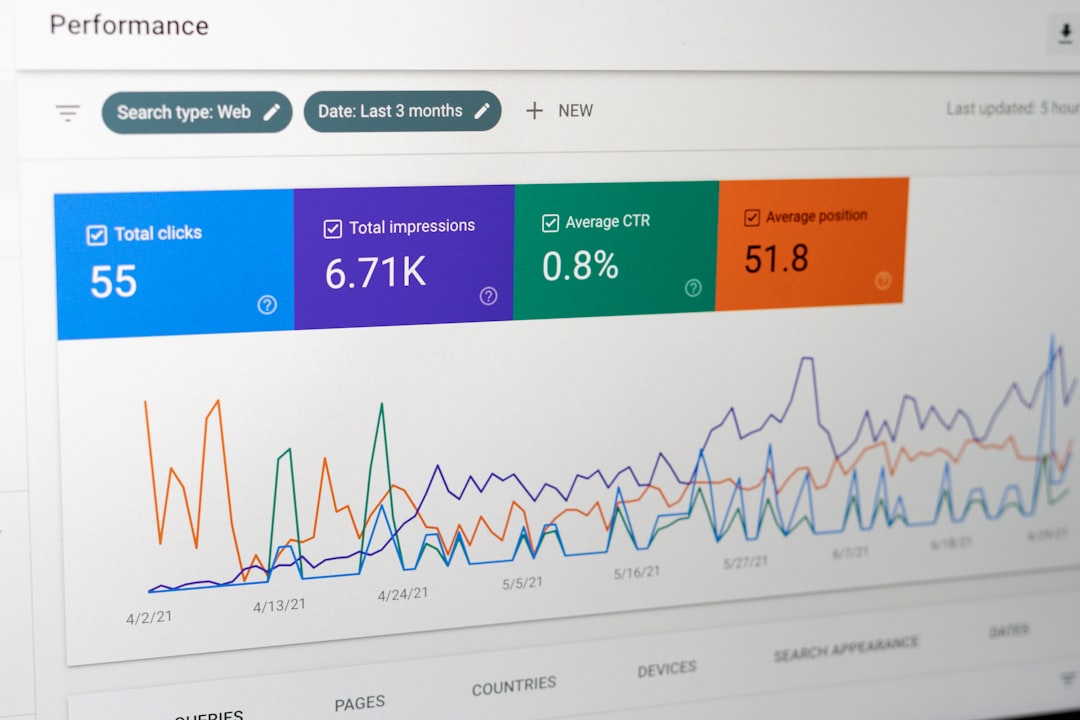
Readable dashboards often use less rather than more. They avoid unnecessary decoration and emphasize clarity. This serious, practical approach is essential when dashboards are used in management meetings, board discussions, daily operations, or performance reviews.
Collaboration and Shared Accountability
Dashboards become more powerful when they support shared understanding. A single, reliable view of performance helps teams discuss priorities using the same evidence. Instead of exchanging static files or debating conflicting reports, users can focus on interpretation, decisions, and next steps.
Ocula.tech dashboards can support collaboration by making insights accessible to relevant stakeholders. When decision-makers can view the same metrics, drill into the same issues, and track the same outcomes, accountability becomes clearer. Teams are better positioned to agree on actions, assign responsibility, and measure whether interventions are working.
From Reporting to Action
The ultimate value of Ocula.tech dashboards is not the visual display of data. It is the improvement of decisions. A dashboard should help users decide whether to continue, change, stop, investigate, accelerate, or reallocate. It should connect information with judgment and action.
To achieve this, dashboards should be aligned with business objectives, maintained with discipline, and reviewed regularly. Metrics should be refined as priorities change. Unused charts should be removed. New indicators should be added only when they improve decision quality.
Better decisions come from better visibility, better context, and better focus. Ocula.tech dashboards can provide all three when they are implemented with clear goals and reliable data practices. For organizations that want to move faster without sacrificing rigor, a strong dashboard environment is not merely a reporting convenience. It is a serious decision-making asset.