Costco Affiliate Program: Costco vs Amazon Associates and Other Affiliate Programs for Publishers
Costco is usually a smart secondary affiliate program, not a full replacement for Amazon Associates. Publishers with deal, grocery, appliance, home, travel, or family savings content may earn well from Costco links, but Amazon still wins on product range, impulse buying, and conversion speed.
TLDR: Costco can work well for publishers whose readers already trust warehouse pricing and membership savings. Amazon Associates is broader and easier to monetize at scale, especially for review sites with hundreds of product pages. For example, a publisher sending 10,000 monthly product clicks might see Amazon convert 6% at a $55 average order value, while Costco may convert only 2% but with a $220 average order value on bulk goods or appliances. The better choice depends less on commission rate and more on audience intent, basket size, and product availability.
How the Costco Affiliate Program Fits Publisher Revenue
The Costco affiliate program is built around a strong retail brand, high buyer trust, and larger basket sizes. That sounds ideal. The catch is that Costco does not behave like a typical open marketplace. Some products require a membership. Inventory can shift. Product pages may disappear. Prices can vary by region or availability.
For publishers, that creates both upside and friction. A reader shopping for a refrigerator, gold jewelry, patio furniture, bulk snacks, or a vacation package may already see Costco as a safe place to buy. That trust can improve click intent. Yet a reader looking for a niche gadget, a single book, or a small accessory will often find Amazon easier.
Costco affiliate access has commonly been managed through major affiliate networks, though publishers should always check the current network listing, commission rules, and approved categories before planning content. Retail affiliate terms change often, and Costco is no exception.
Costco vs Amazon Associates
Amazon Associates remains the default program for many publishers because it is simple, massive, and familiar. A product reviewer can mention ten items and usually find all ten on Amazon. The average reader already has an Amazon account. Checkout is quick. Shipping expectations are clear.
Costco is more selective. It works best when the content matches Costco’s strengths. These include bulk grocery deals, household essentials, furniture, electronics, appliances, tires, mattresses, gift cards, and travel offers.
| Factor | Costco Affiliate Program | Amazon Associates |
|---|---|---|
| Best for | Bulk buying, home goods, appliances, memberships, travel | General product reviews, niche items, impulse purchases |
| Catalog size | Smaller and more curated | Huge across nearly every category |
| Buyer behavior | Higher intent, larger baskets, more price comparison | Fast checkout, frequent small orders |
| Publisher fit | Deal sites, savings blogs, family finance sites | Review sites, comparison sites, media publishers |
Amazon’s biggest edge is convenience. A publisher can build hundreds of product pages without worrying much about whether a basic item exists. Costco’s biggest edge is perceived value. A single conversion on a sofa, laptop, or vacation package may be worth more than several smaller Amazon purchases.
Commission Rates, Cookies, and Earnings Potential
Commission rates should not be judged in isolation. A 3% commission on a $900 appliance pays more than an 8% commission on a $30 accessory. This is where Costco can surprise publishers. Large order values can offset fewer conversions.
Still, Amazon often wins on total earnings for broad product content. Its short cookie window is a pain, but its conversion rate can be strong because buyers often complete a purchase quickly. Costco may require more decision time. A reader might compare member pricing, delivery, warranty options, and stock. Honestly, it feels like some retail affiliate dashboards make this harder than it should be, especially when product feeds lag behind live site availability.
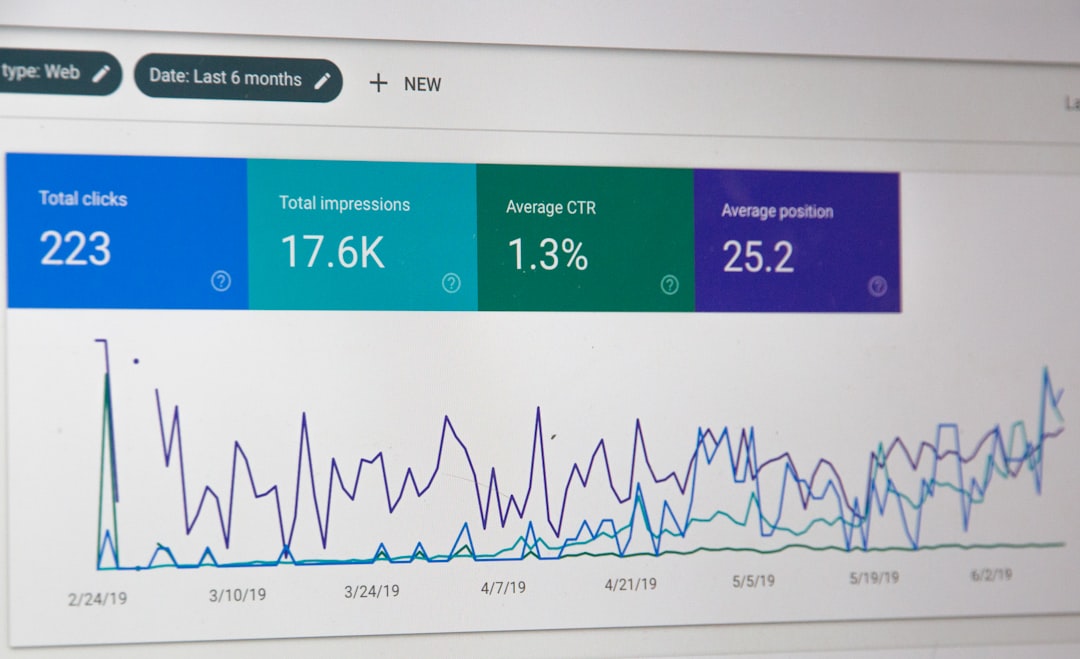
Publishers should compare programs using these numbers:
- Click volume: How many readers click the merchant link?
- Conversion rate: What percentage buys?
- Average order value: How much does each buyer spend?
- Commission rate: What share is paid to the publisher?
- Reversal rate: How often are commissions canceled?
- Cookie window: How long is the referral tracked?
A publisher with a family budgeting site may earn more from Costco than a gadget blog would. A tech review site may do better with Amazon, Best Buy, B and H Photo, or manufacturer direct programs.
How Costco Compares with Other Affiliate Programs
Costco is not the only Amazon alternative. Publishers often test several merchants side by side.
- Walmart Affiliate Program: Strong for household goods, groceries, toys, and everyday savings. It competes closely with Amazon on price and store pickup.
- Target Affiliate Program: Good for parenting, home decor, beauty, and lifestyle content. The brand fits well with gift guides and seasonal buying.
- Best Buy Affiliate Program: Better for electronics, appliances, gaming, and computer gear. Product expertise and open box deals can help conversions.
- eBay Partner Network: Useful for collectibles, refurbished items, parts, and price sensitive shoppers. Inventory can be uneven, which annoys publishers trying to keep links fresh.
- Home Depot and Lowe’s: Strong for DIY, tools, home repair, garden, and renovation content.
- Direct to consumer programs: Often pay higher rates than big retailers, but readers may trust them less and checkout friction may be higher.

Best Publisher Use Cases for Costco
Costco is strongest when a publisher can explain value, not just list products. The audience needs a reason to choose a warehouse retailer over a faster marketplace.
Strong content formats include:
- “Best things to buy at Costco this month” articles
- Costco vs Sam’s Club vs Amazon comparisons
- Bulk buying guides for families and small businesses
- Appliance deal roundups with warranty notes
- Holiday gift guides focused on value packs and bundles
- Travel deal explainers for cruises, hotels, and packages
Costco links also fit well inside personal finance content. A publisher covering inflation, meal planning, pantry stocking, or household budgets can make Costco feel natural. The affiliate link should support the advice, not interrupt it.
Where Amazon Still Wins
Amazon is hard to beat for long tail content. A publisher writing about “best replacement filters for a 2018 air purifier” will probably find more options on Amazon. The same applies to books, small tools, hobby supplies, pet accessories, and low cost electronics.
Amazon also has strong cross cart behavior. A reader may click a link for a coffee grinder, then buy paper towels, batteries, and shampoo. Depending on Amazon’s rules and categories, that extra cart activity can add revenue. Costco can have large carts too, but the buying flow is less universal because membership status and availability matter more.
The irritating part for publishers is link maintenance. Amazon links can also break, but Costco’s smaller catalog means an out of stock item can remove the whole point of a product recommendation. Product checks may take a few seconds longer per item, which adds up across a large buying guide.
Practical Strategy: Use Costco and Amazon Together
The best approach is usually not “Costco or Amazon.” It is merchant matching. Publishers can place Amazon links for convenience and Costco links for value driven purchases. A comparison table can show both options when the product overlaps.
A simple rule works well:
- Use Amazon for niche items, fast purchases, and wide product selection.
- Use Costco for bulk goods, appliances, furniture, memberships, and premium bundles.
- Use specialty merchants when expert inventory or higher payouts matter.
Publishers should track each merchant separately with sub IDs or campaign IDs. After 30 to 60 days, the data should show which retailer earns more per 1,000 clicks. That metric is cleaner than commission rate alone.
FAQ
Does Costco have an affiliate program?
Costco has offered affiliate opportunities through affiliate networks, but availability and terms can change. Publishers should verify current details in the relevant network before building a content plan around it.
Is Costco better than Amazon Associates?
Costco is better for certain categories, such as bulk goods, appliances, furniture, and travel. Amazon is usually better for broad product reviews, niche items, and high volume content.
Who should use the Costco affiliate program?
It fits publishers in personal finance, family savings, grocery deals, home improvement, travel, and consumer shopping. It is less ideal for sites focused on tiny accessories or obscure products.
Can publishers use Costco and Amazon links in the same article?
Yes. Many publishers benefit from showing both options when relevant. This gives readers a choice between convenience and warehouse pricing.
What metric matters most when comparing affiliate programs?
Earnings per click and earnings per 1,000 clicks matter most. Commission rate alone can mislead, especially when average order values differ widely.
What is the biggest drawback of Costco affiliate content?
The main drawback is product availability. Costco’s catalog is more limited than Amazon’s, and items can sell out or change often.