Stakeholder Alignment: UX Metrics, Trust, Delight, and Cross-Functional Collaboration Strategies

Stakeholder alignment is often described as “getting everyone on the same page,” but in UX work, that phrase is too vague to be useful. True alignment means product leaders, designers, researchers, engineers, marketers, customer support teams, and executives agree on what user success looks like, how it will be measured, and which tradeoffs are acceptable. When teams connect UX metrics with trust, delight, and cross-functional decision-making, they move beyond opinions and create experiences that are both user-centered and business-relevant.
TLDR: UX alignment works best when teams define shared metrics, connect them to customer trust, and collaborate early rather than after decisions are already made. For example, a SaaS onboarding team might reduce setup time from 18 minutes to 9 minutes while increasing activation from 42% to 61% by aligning product, design, engineering, and support around one measurable goal. Trust grows when users can predict what will happen, recover from mistakes, and feel respected. Delight emerges when functional experiences become smooth, thoughtful, and emotionally satisfying.
Why Stakeholder Alignment Matters in UX
UX decisions often affect multiple departments at once. A redesigned checkout flow may improve conversion, but it may also change fraud detection, customer service scripts, analytics tracking, and marketing campaigns. Without alignment, each department may optimize for its own goals: design may prioritize simplicity, engineering may prioritize delivery speed, legal may prioritize risk reduction, and sales may prioritize short-term revenue.
The problem is not that these priorities are wrong. The problem is that they are often disconnected. Stakeholder alignment creates a shared framework for evaluating decisions. Instead of asking, “Whose opinion wins?” teams can ask, “Which option supports our agreed user and business outcomes?”

Start with UX Metrics That Everyone Understands
UX metrics are powerful because they turn experience quality into something visible. However, not all metrics create alignment. Some are too broad, such as “make the product easier to use,” while others are too isolated, such as tracking clicks without understanding user intent.
Effective UX metrics should be clear, actionable, and connected to business outcomes. Common examples include:
- Task success rate: The percentage of users who complete a key action, such as booking an appointment or submitting a form.
- Time on task: How long it takes users to complete an important workflow.
- Error rate: How often users make mistakes, abandon steps, or require support.
- Customer satisfaction score: A direct measure of how users feel after an interaction.
- Net promoter score: A broader signal of loyalty and recommendation potential.
- Retention or repeat usage: Whether the experience is valuable enough for users to return.
The best approach is to combine behavioral data with attitudinal data. Analytics may show that 35% of users abandon a registration flow at step three, but interviews may reveal that users are uncomfortable providing payment information before seeing pricing details. Together, these insights tell a more complete story.
Build Trust Before Chasing Delight
Delight is often misunderstood as animation, clever copy, or visual polish. These elements can help, but only after the product earns user trust. A banking app with playful illustrations but unclear transaction states will not delight users; it will make them anxious. A healthcare portal with beautiful screens but confusing privacy language will feel risky, not enjoyable.
Trust is the foundation of good UX. Users need to believe that the product is reliable, transparent, secure, and respectful of their time. Trust is built through small but consistent signals:
- Clarity: Users understand what actions mean and what will happen next.
- Consistency: Patterns, labels, and interactions behave predictably across the product.
- Control: Users can undo actions, edit information, and manage preferences.
- Transparency: Pricing, data usage, permissions, and limitations are easy to understand.
- Reliability: The product works as expected, especially during high-stakes tasks.
Once trust is established, delight becomes more meaningful. Delight might show up as a faster workflow, a reassuring confirmation message, a personalized recommendation, or a well-timed shortcut. In the best products, delight is not decoration. It is the feeling users get when the product anticipates their needs without creating confusion.

Translate UX Language into Stakeholder Language
One reason UX teams struggle to gain alignment is that they sometimes present insights in language that does not resonate with other groups. A designer may say, “The hierarchy feels cluttered,” while an executive may want to know how that affects growth. A researcher may explain that users feel uncertain, while an engineer may ask which component needs to change.
To align stakeholders, translate UX findings into the language of their priorities:
- For executives: Connect UX improvements to revenue, retention, market differentiation, and risk reduction.
- For product managers: Link insights to roadmap decisions, prioritization, and feature adoption.
- For engineers: Clarify interaction requirements, technical constraints, and implementation impact.
- For marketing: Highlight customer expectations, messaging gaps, and moments of persuasion.
- For support teams: Identify sources of confusion that lead to tickets, complaints, or training needs.
For example, instead of saying, “Users dislike the account settings page,” a UX lead might say, “Forty-eight percent of support tickets about account changes come from users who cannot find billing controls. If we redesign the settings structure, we estimate a 20% reduction in related tickets.” This framing makes the UX issue concrete and cross-functional.
Create Shared Rituals, Not Just Shared Documents
Alignment is not achieved through a single presentation. It requires ongoing rituals that help teams make decisions together. Documentation is useful, but documents alone rarely change behavior. Teams need recurring moments where insights are reviewed, assumptions are challenged, and priorities are updated.
Useful collaboration rituals include:
- UX metric reviews: Monthly sessions where teams examine usability, adoption, satisfaction, and support data together.
- Research watch parties: Short clips from user interviews that help stakeholders hear user pain directly.
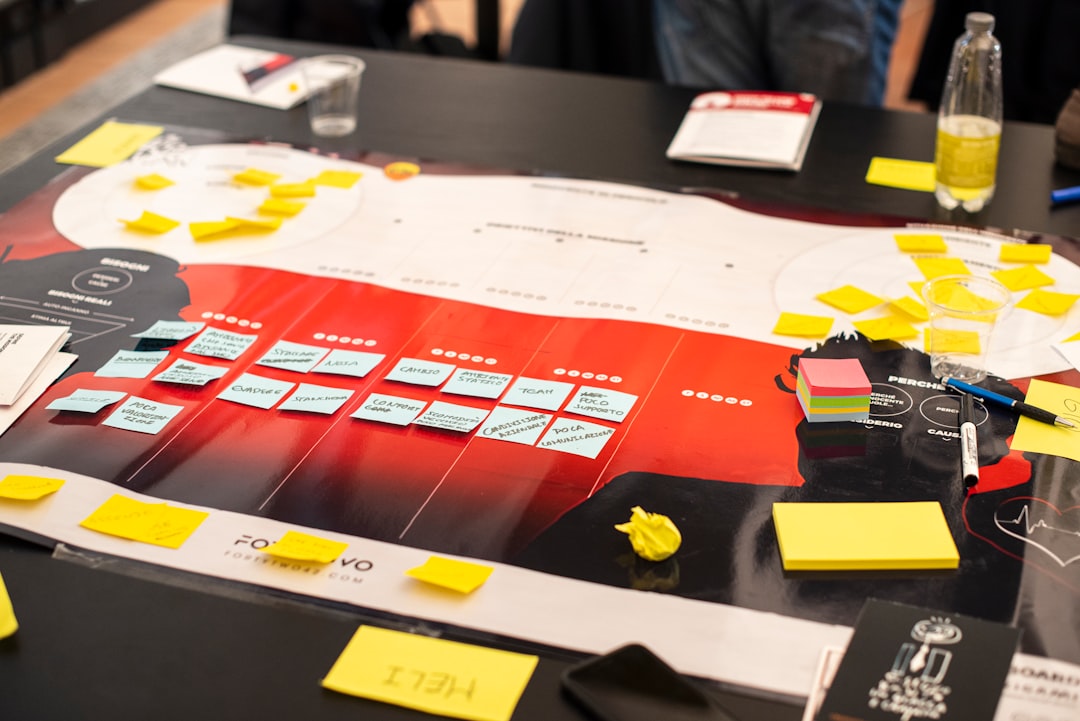
- Journey mapping workshops: Cross-functional sessions that reveal where users encounter friction across channels.
- Design critiques with constraints: Reviews where engineering, legal, product, and design discuss feasibility early.
- Post-launch retrospectives: Meetings that compare predicted outcomes with real results.
These rituals reduce surprises. They also help stakeholders feel ownership of UX rather than seeing it as the design team’s responsibility alone.
Use a Decision Framework for Tradeoffs
Even aligned teams face tradeoffs. A feature that improves personalization may require more user data. A simplified interface may reduce flexibility for advanced users. A faster release may mean postponing accessibility improvements. The goal is not to avoid tradeoffs, but to make them visible and intentional.
A practical decision framework can include four questions:
- What user problem are we solving?
- Which UX and business metrics will indicate success?
- What risks could reduce trust?
- What would make this experience not only usable, but memorable?
This structure keeps conversations grounded. It prevents teams from jumping straight to solutions and encourages stakeholders to consider usability, trust, delight, and business impact together.
Make Delight Measurable Without Making It Mechanical
Some teams avoid discussing delight because it sounds subjective. While delight does include emotion, it can still be evaluated through signals. Users may leave positive feedback, explore extra features, share the product, return more often, or describe the experience as easy, helpful, or enjoyable.
Possible delight indicators include:
- Positive sentiment in feedback: Users mention that something was pleasant, fast, or surprisingly helpful.
- Feature discovery: Users engage with helpful secondary features without being forced.
- Reduced perceived effort: Users report that a task felt easier than expected.
- Organic referrals: Users recommend the product because the experience stands out.
However, measuring delight should not turn it into a checklist. Delight often comes from context: the right message at the right moment, a shortcut during a repetitive task, or a confirmation that reduces anxiety. Teams should combine data with judgment and empathy.
The Role of Leadership in UX Alignment
Leadership plays a critical role in maintaining alignment. If leaders reward only speed, teams will cut corners on research and accessibility. If they reward only visual novelty, trust and usability may suffer. If they reward only short-term conversion, users may feel manipulated and leave later.
Strong leaders make UX quality part of strategic planning. They ask for evidence, encourage cross-functional input, and protect time for discovery. Most importantly, they model balanced thinking: How does this help users, and how does it help the organization sustainably?
Conclusion: Alignment Turns UX into a Shared Strategy
Stakeholder alignment is not about eliminating disagreement. Healthy disagreement often leads to better products. The purpose of alignment is to ensure that disagreements happen around shared goals, reliable evidence, and clear principles.
When teams align around UX metrics, they understand whether the experience is improving. When they prioritize trust, they build relationships that last beyond a single transaction. When they design for delight, they create moments users remember. And when they collaborate across functions, UX becomes more than a department’s responsibility; it becomes a strategic capability that helps the entire organization deliver better outcomes.