How Businesses Use 3D Color Printing for Product Development
In modern product development, speed and confidence are closely connected. Companies need to test ideas quickly, communicate design intent clearly, and reduce the risk of costly revisions before committing to tooling, manufacturing, or market launch. 3D color printing has become an increasingly valuable technology because it allows teams to create physical prototypes that show not only shape and scale, but also color, texture, labeling, and visual detail.
TLDR: Businesses use 3D color printing to make realistic prototypes earlier in the product development process. This helps design, engineering, marketing, and leadership teams evaluate products more accurately before production. By adding color, texture, graphics, and branding directly to prototypes, companies can reduce misunderstandings, shorten review cycles, and make better decisions with less reliance on imagination or flat renderings.
Why Color Matters in Product Development
Traditional prototyping has often focused on form and function. A team might print a plain white or gray model to check dimensions, ergonomics, assembly, or fit. While that remains useful, many product decisions are not based on geometry alone. In consumer goods, medical devices, packaging, electronics, toys, footwear, automotive interiors, and retail displays, appearance is part of the product experience.
Color affects perception. It can communicate quality, category, age group, safety, cleanliness, luxury, or durability. A matte black device may feel more professional than a brightly colored one. A medical training model with realistic color can be more useful than a monochrome version. Product packaging printed in full color can reveal whether branding is visible from a shelf distance. These details influence how customers, investors, buyers, and internal stakeholders respond to a product concept.
By using 3D color printing, businesses can bring those visual decisions into the physical world sooner. Instead of reviewing separate CAD models, rendered images, paint samples, and label mockups, teams can hold a single prototype that combines many of these elements in one object.
Creating Realistic Concept Models
One of the most common uses of 3D color printing is producing concept models. These are early physical representations of a product idea, usually made before final engineering is complete. Their purpose is to help teams understand whether the concept is promising and worth further investment.
Color printing improves the value of concept models by making them easier to interpret. For example, a company designing a smart home device can print several versions with different color schemes, display areas, button treatments, and surface finishes. Instead of asking decision-makers to imagine how a white plastic model might look after branding, the team can present realistic alternatives side by side.
This is especially helpful when stakeholders do not have technical design backgrounds. Executives, sales teams, retail buyers, and investors may not read engineering drawings or CAD renderings fluently. A full-color prototype gives them something tangible and direct. It reduces ambiguity and makes discussions more productive.
Improving Communication Across Teams
Product development involves many disciplines. Designers focus on usability and visual appeal. Engineers consider materials, tolerances, and manufacturability. Marketing teams evaluate brand fit and customer perception. Sales teams think about buyer objections and presentation value. Manufacturing teams identify production risks.
When each group works from different documents or assumptions, errors can occur. A color rendering may show one surface treatment, while the engineering model shows another. A prototype may be correctly sized but visually misleading. Packaging may be evaluated separately from the product itself. These gaps can lead to late changes, delays, or disagreements.
3D color printing helps create a shared reference point. A single prototype can show product geometry, graphics, icons, logos, warning labels, material zones, and color breaks. This makes cross-functional review more concrete. Teams can identify concerns earlier, such as whether a label is too small, a color contrast is insufficient, or a decorative feature interferes with assembly.
Testing Aesthetics Before Production
Visual testing is an important part of product development, particularly for products sold in competitive markets. A design may look appealing on a screen but feel less convincing when printed at actual size. Colors may look different under showroom lighting, office lighting, or retail lighting. A pattern that appears subtle in a rendering may look distracting on a physical model.
With color 3D printing, businesses can test these choices before committing to expensive production methods such as injection molding, painting, pad printing, silk screening, or packaging runs. While a 3D printed prototype may not perfectly match the final manufacturing material, it can provide enough realism to support early decisions.
Companies may use color prototypes to evaluate:
- Brand consistency: checking whether product colors align with existing brand guidelines.
- Customer appeal: comparing different colorways or graphic treatments.
- Visibility: testing icons, labels, buttons, and warnings at real scale.
- Premium perception: assessing whether color and finish support the intended market position.
- Product family coherence: ensuring multiple items look related when displayed together.
Accelerating Design Iteration
Product development rarely follows a straight path. Teams usually create, evaluate, revise, and test several versions before reaching a final design. The faster this cycle moves, the easier it is to explore better options without extending the schedule.
3D color printing supports faster iteration because it can combine multiple visual and physical features in one build. A design team can produce several color variations overnight or within a short production cycle. They can then compare actual models instead of relying on flat mockups or long presentation decks.
This is useful for both small businesses and large enterprises. A startup may use color prototypes to prepare for investor meetings or crowdfunding photography. A large manufacturer may use them for internal design reviews, consumer research, or retail buyer presentations. In both cases, the benefit is the same: more informed decisions earlier in the process.
Supporting User Research and Market Testing
User research becomes more reliable when participants interact with realistic prototypes. If a test user is shown a plain model, their feedback may focus only on size, grip, or basic usability. If they are shown a full-color prototype, they can also respond to style, perceived value, clarity of instructions, and emotional appeal.
For example, a company developing a wearable health product might test several color options with different user groups. Younger users may prefer bold colors, while clinical buyers may prefer neutral colors that suggest cleanliness and reliability. Parents evaluating a child safety product may respond strongly to friendly colors and clear visual indicators.
Color 3D printing can also help test product variants for different markets. A consumer product company may explore regional color preferences. A packaging team may compare shelf impact among competing design directions. A medical device company may evaluate whether color-coded components help users distinguish parts correctly.
Although prototypes are not a substitute for full market validation, they make early research more practical and realistic. They help businesses discover issues before those issues become expensive to correct.
Reducing Costly Mistakes
One of the strongest business arguments for 3D color printing is risk reduction. Mistakes made late in product development can be expensive. If a company discovers after tooling that a logo placement is awkward, a color break looks unbalanced, or user instructions are unclear, the correction may require redesign, retooling, reprinting, or launch delays.
A realistic full-color prototype helps identify these problems before full production begins. It allows teams to inspect the product as a customer might see it. This can reveal concerns that are easy to miss in digital models, such as visual clutter, inconsistent icon placement, poor contrast, or an unattractive finish combination.
The cost of printing a detailed prototype is often modest compared with the cost of changing production tooling, scrapping inventory, or delaying a launch campaign. For this reason, many businesses view 3D color printing not simply as a design tool, but as a form of decision insurance.
Applications Across Industries
Different industries use 3D color printing in different ways, but the underlying purpose is similar: to make product evaluation more accurate.
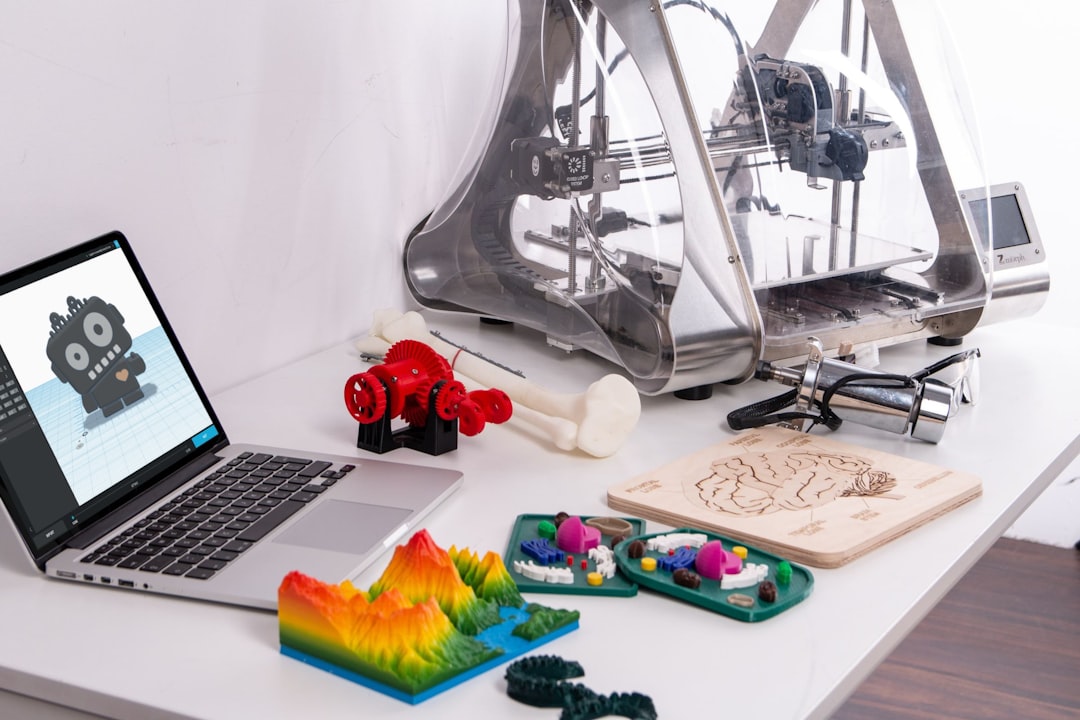
- Consumer electronics: Businesses create realistic prototypes of speakers, wearables, remote controls, smart devices, and accessories to test color, interface graphics, and finish combinations.
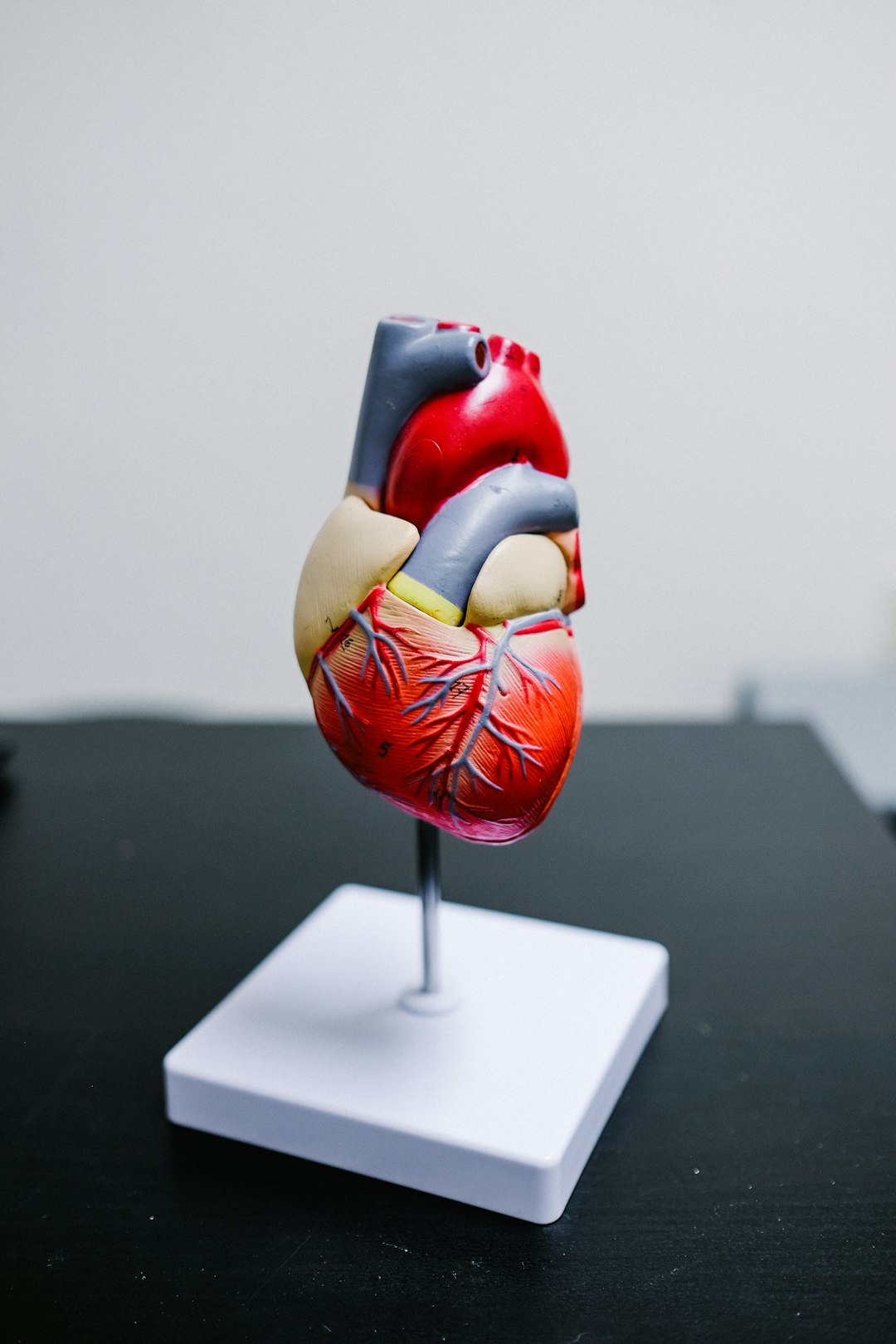
- Medical and healthcare: Companies produce anatomical models, device prototypes, surgical planning aids, and training tools where color can clarify structure or improve realism.
- Packaging and retail: Brands create physical packaging concepts, point-of-sale displays, and shelf-ready mockups to evaluate visibility and consumer appeal.
- Automotive and aerospace: Teams use color models for interior components, control panels, airflow visualization, concept presentations, and design validation.
- Education and training products: Developers create detailed teaching tools where color improves comprehension and engagement.
- Toys and entertainment: Designers test characters, collectibles, game pieces, and licensed products with accurate graphics and colors.
Helping Sales, Marketing, and Investment Presentations
Product development does not happen only in engineering labs. Companies must also persuade others that a product is worth buying, funding, distributing, or producing. A full-color prototype can make these conversations more credible.
Sales teams can show potential accounts what the product will look like before inventory exists. Marketing teams can use prototypes for photography, campaign planning, packaging review, and trade show displays. Founders can present investors with a polished physical model that demonstrates seriousness and progress. Retail buyers can evaluate shelf presence and product story more effectively than they could from renderings alone.
This does not mean that a prototype should misrepresent production readiness. Trustworthy businesses are clear about what the prototype is and what remains to be finalized. However, a high-quality color prototype can still communicate vision, quality standards, and market intent in a way that digital images often cannot.
Limitations Businesses Should Understand
While 3D color printing offers important advantages, it has limitations. Color accuracy may vary depending on printer type, material, surface texture, and post-processing. A printed prototype may not exactly match injection-molded plastic, painted metal, fabric, glass, or rubber. Mechanical properties may also differ from final production materials.
For this reason, businesses should use 3D color printing appropriately. It is excellent for visual review, concept validation, user research, communication, and early decision-making. It may not replace functional testing, regulatory testing, material certification, or final manufacturing samples.
A responsible development process often combines multiple prototype types. A company might use color 3D prints for appearance studies, engineering prints for fit and function, and later production samples for final validation. Each prototype has a role, and the best results come from choosing the right method for the decision at hand.
Best Practices for Business Use
To gain the most value from 3D color printing, businesses should treat it as part of a structured development process rather than a novelty. Clear objectives matter. Before printing, teams should decide what they want to learn from the prototype.
- Define the decision: Identify whether the prototype is meant to test appearance, usability, packaging, branding, or stakeholder approval.
- Prepare accurate files: Ensure that geometry, textures, color maps, labels, and logos are correctly applied before printing.
- Print multiple options: When appropriate, compare several versions rather than forcing a decision from a single model.
- Review under realistic conditions: Examine prototypes in lighting and environments similar to where the product will be sold or used.
- Document feedback: Record decisions and observations so that changes are traceable and purposeful.
- Communicate limitations: Make clear which aspects of the prototype represent final intent and which are approximate.
The Strategic Value of 3D Color Printing
The value of 3D color printing is not only that it produces attractive prototypes. Its deeper value is that it improves the quality of decisions. Product development depends on thousands of choices, from major design direction to small details such as icon placement, trim color, surface contrast, and label visibility. When those choices are made with better evidence, the final product is more likely to succeed.
Businesses are under pressure to shorten timelines while still delivering products that feel polished and differentiated. 3D color printing supports that goal by making ideas visible, tangible, and testable at an earlier stage. It helps teams align internally, communicate externally, and reduce the uncertainty that often surrounds new product launches.
For companies that compete on design, usability, brand experience, or speed to market, 3D color printing is a practical product development tool. Used thoughtfully, it can help transform abstract concepts into credible prototypes, and credible prototypes into better commercial products.